Memory Prices Are Still Rising, but Chip Stocks Have Plunged. Is the Supercycle Over?

Memory prices keep climbing and chipmakers are posting record results, yet the stocks have already fallen hard. The market is looking past the boom to the next wave of supply and to what customers can afford to spend.
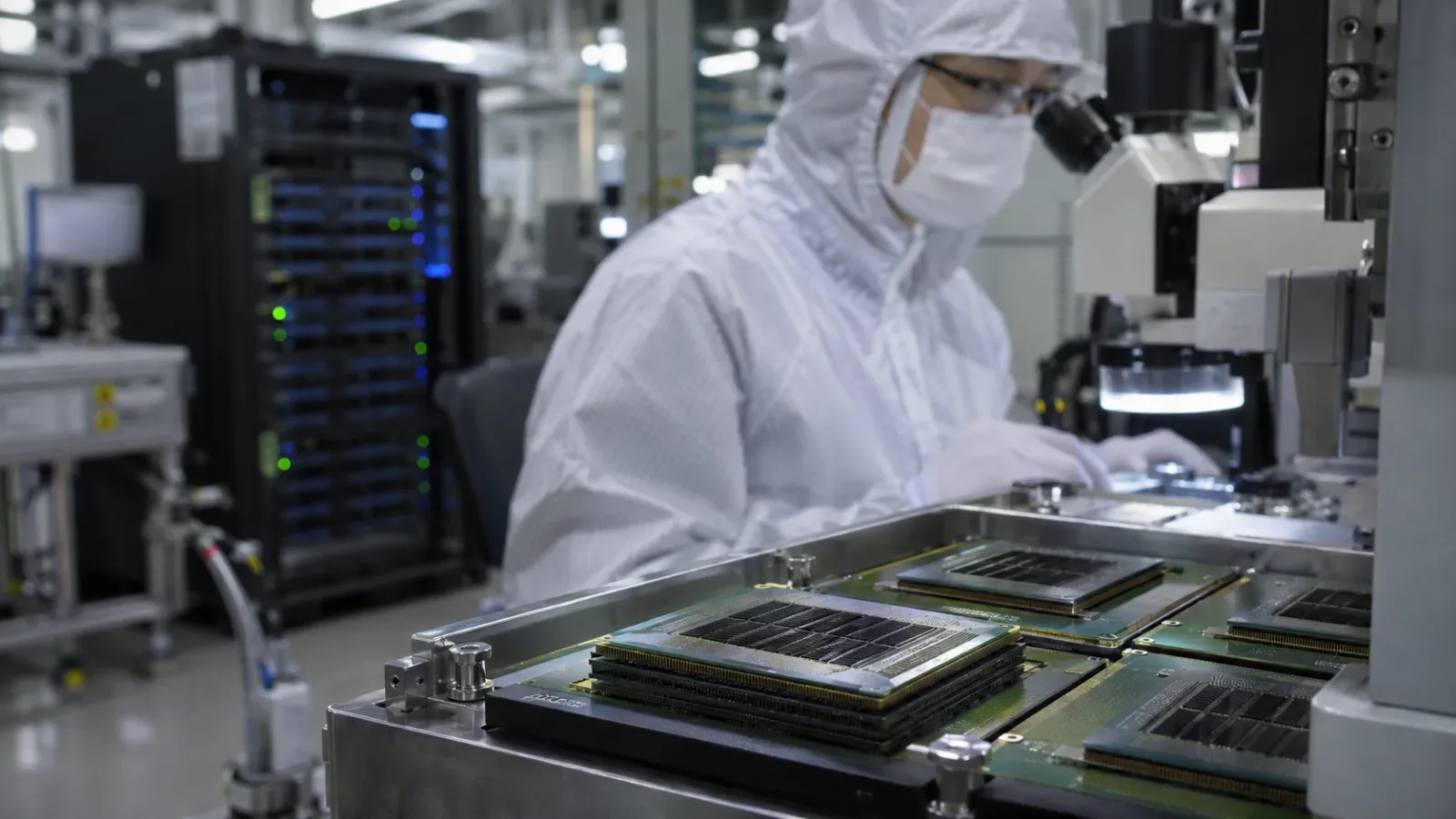
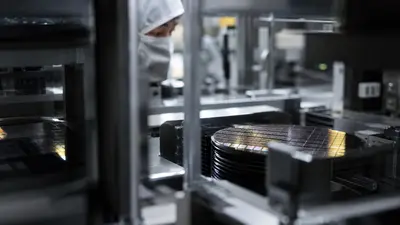
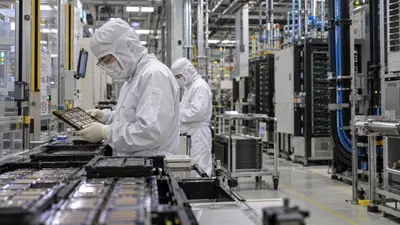
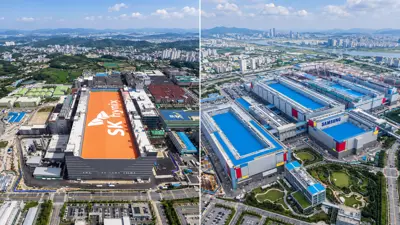
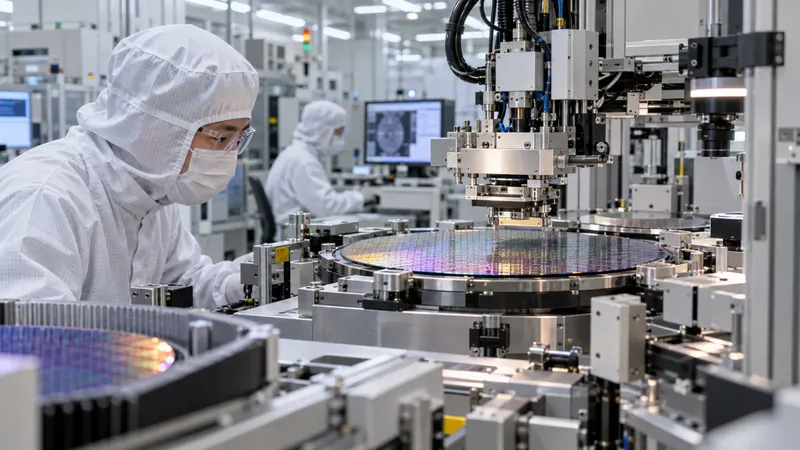
Photo of a semiconductor cleanroom inspection lab illustrating the memory chip supply chain

Memory prices are still rising, and chipmakers are posting record results. Yet the stocks have already fallen hard. The market has started to worry less about the current boom and more about what comes next: more supply, and whether customers can keep paying for it.

The 20-second briefing

  • The upcycle is still running. TrendForce projects fourth-quarter 2026 contract prices up 10% to 15% for conventional DRAM and 15% to 20% for NAND, quarter over quarter. This is a slowdown in the pace of increases, not a price decline.
  • Cracks appear first in consumer markets. Memory for AI servers is strong, but some NAND spot prices have fallen. The boom is not hitting every product equally.
  • The real test is 2028. Long-term contracts and HBM demand are positives. But capacity additions, Chinese supply growth and big tech cash flow will decide the next cycle.
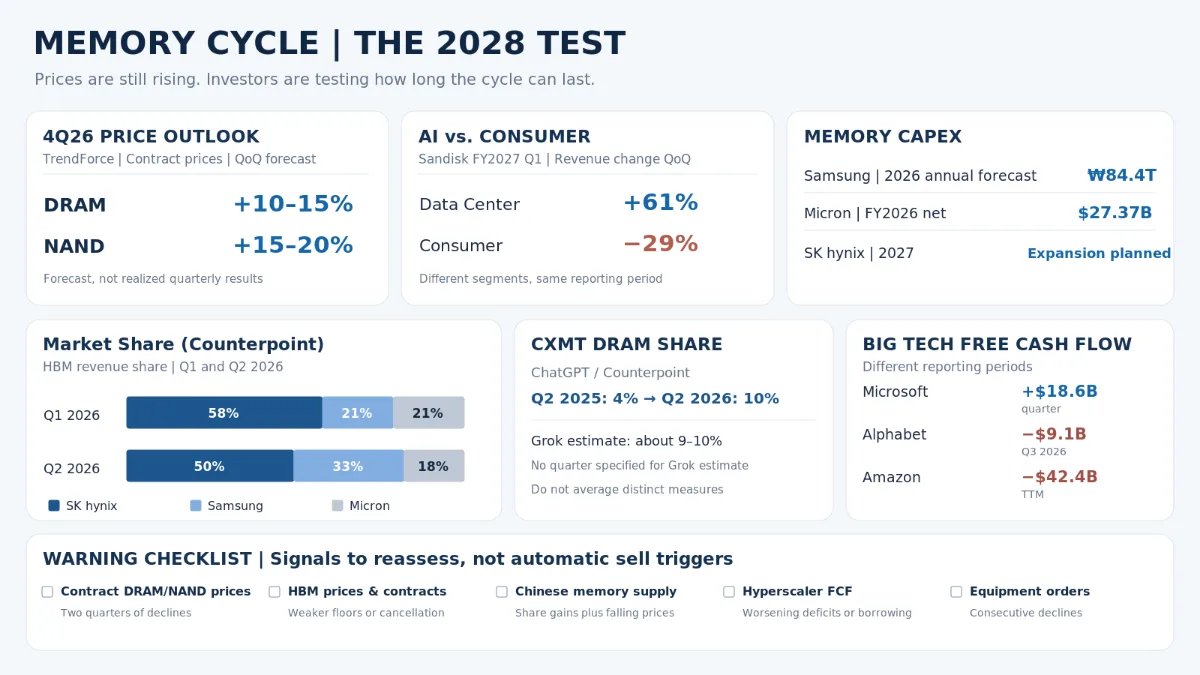
English infographic summarizing memory price outlook, HBM and CXMT market share, Sandisk segment growth, big tech free cash flow and a warning checklist

1. Prices are rising. Why worry about a peak?

A memory cycle is usually questioned when price gains start to fade, not when prices hit their highest level.

DRAM price growth slowed from the 90% range in the first quarter of 2026 to the 50% to 60% range in the second. TrendForce's fourth-quarter 2026 outlook calls for conventional DRAM contract prices to rise 10% to 15% and NAND contract prices 15% to 20%. These are quarter-over-quarter forecasts, not confirmed prices.

Contract prices have not fallen. But consumer NAND is behaving differently. The spot price of 512Gb TLC wafers fell 9%, and some MLC products stopped a 21-month run of increases.

Spot prices are short-term trading prices. Contract prices are what customers and suppliers agree on. A drop in spot prices alone cannot declare the cycle over, but whether the weakness spreads to contract prices needs to be checked.

2. AI is strong, but consumer markets are different

Treating memory as a single market makes it easy to miss what is happening now.

Sandisk's data center revenue in the first quarter of fiscal 2027 rose 61% from the prior quarter, while consumer revenue fell 29%.

Intel also warned of weak PC demand and high memory prices. Its fourth-quarter 2026 revenue guidance was $15 billion to $16 billion.

AI data centers need more high-performance memory. PC and smartphone makers, meanwhile, struggle to pass higher component costs on to consumers.

The more suppliers steer capacity toward high-margin HBM and server products, the tighter consumer memory supply becomes. At the same time, high prices are weighing on consumer demand.

A price that is good for memory suppliers is not good for every customer. That is a defining feature of this cycle.

3. Long-term contracts are a safety net, not a permanent shield

SK hynix said it has signed long-term supply agreements (LTAs) with 14 major customers, securing more than 50% of its 2027 and 2028 capacity under contract.

That is a positive change from past memory cycles. When customers lock in future volume, suppliers gain demand visibility and less exposure to short-term order swings.

SK hynix expects HBM4 to overtake HBM3E in both shipments and revenue in the fourth quarter.

But long-term contracts do not guarantee every price. Public information does not confirm that every contract carries take-or-pay terms or price floors.

Competition is also intensifying. By Counterpoint's measure, Samsung Electronics' share of HBM revenue rose from 21% in the first quarter of 2026 to 33% in the second. Over the same period, SK hynix's share fell from 58% to 50%.

Even if the HBM market grows, pricing power among suppliers can shift.

4. The next risk may be supply growth, not a demand collapse

Memory makers are spending heavily on capacity.

Samsung Electronics' 2026 capital spending is forecast at 84.4 trillion won. Micron's net capital spending in fiscal 2026 was $27.37 billion, and SK hynix has signaled higher investment in 2027.

Capital spending does not turn into supply right away. Building fabs and installing equipment takes time.

But if new capacity and yield improvements arrive together from the second half of 2027 into 2028, the picture could change.

Chinese producers are another variable. According to Counterpoint, CXMT's share of global DRAM revenue rose from 4% in the second quarter of 2025 to 10% in the second quarter of 2026. YMTC ranked third in the world by NAND bit shipments in the second quarter of 2026.

That does not mean Chinese companies can replace leading-edge HBM now. But more supply of conventional memory could pressure global prices.

What matters is not the calendar year 2028. It is the moment actual bit supply growth exceeds demand growth.

5. The cash flow of the big tech buyers now matters

Understanding this cycle means looking at the buyers' finances, not just the suppliers' results.

Microsoft recorded free cash flow (FCF) of about $18.6 billion in the latest quarter. Alphabet's third-quarter FCF was a deficit of about $9.1 billion, and Amazon's trailing 12-month FCF was a deficit of about $42.4 billion.

The three companies have different reporting periods and business structures, so this is not a simple profitability ranking.

But the question is clear. Can the companies building AI infrastructure keep investing at the same pace? Can that investment generate enough cash?

Even if AI service revenue grows, capacity to keep investing may weaken if capital spending and depreciation grow faster.

Strong orders for memory suppliers are one thing. Secured long-term returns on their customers' investment are another.

6. A falling stock price does not mean the cycle is over

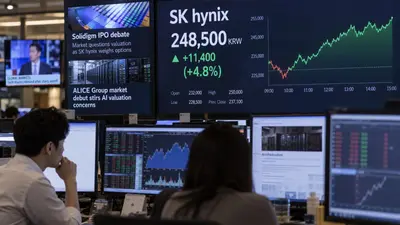
On October 30, the Philadelphia Semiconductor Index fell 7.2%. NVIDIA dropped 4.2%, AMD 10.9% and Intel 28.6%.

SK hynix shares at the end of October were around 1.42 million won, more than 50% below their June high. Samsung Electronics was around 220,000 won, down roughly 40% from its peak.

Share prices do not reflect only current earnings. Investors weigh future profits and the multiple applied to them.

Memory makers trade at a forward P/E of 2.5 to 3 times 2027 expected earnings, or 5 to 7 times current earnings. The two use different earnings dates, so they cannot be compared directly or averaged.

Memory stocks also tend to look cheap on P/E as earnings approach a cycle peak.

So a big price drop alone neither confirms undervaluation nor declares the cycle over.

Wall Street views also need to be read by subject and timing. Many, including BofA and UBS, see memory stocks as undervalued and the cycle as potentially extendable, while some analysts warn of late-cycle risk from supply growth. On October 30, by contrast, a chip selloff and worries about returns on AI capital spending soured sentiment in the US chip market. The two views differ in subject and timing.

7. Warning conditions for long-term investors

IndicatorWarning condition
DRAM and NAND contract pricesTwo straight quarters of decline
HBM pricing and long-term contractsWeaker price floors, contract cancellations
Chinese memory supplyRising share alongside falling prices
Big tech cash flowWidening FCF deficits, surging borrowing
New semiconductor equipment ordersConsecutive declines

These conditions are not automatic sell signals. They are benchmarks for rechecking whether the investment thesis still holds.

Unleveraged semiconductor ETFs such as SOXX and SMH can serve as long-term core holdings. New money can be staged, and overlap between individual chip stocks and ETFs is worth checking.

Investors should be wary of raising purchases too aggressively just because prices fell. A pullback in which the earnings outlook holds differs from one in which future profits deteriorate.

Memory prices are still rising, so on the numbers so far the stock plunge does not clearly mean the upcycle has ended.

Insight Times Editorial Desk

How we use AI
이 기사는 사람 편집자가 기획하고, 사람과 AI가 같이 초안을 쓰고 수정하고, 최종 사람 편집자가 사실과 표현을 확인해 발행했습니다. 수치와 인용은 본문에 적힌 자료에서 가져왔습니다.
More by topic

Starting with this story's topics, then what readers are following now

Investor psychology, decision-making and books on investing

HBM

This story's topic75 storiesSee all →

Memory stacked next to the GPU.

Has Memory Peaked? Prices Are Cooling, but the Shortage Looks Set to Run to 2028

Price growth has slowed and consumer demand is already breaking. Server and HBM supply remains short, and Micron says more than 75% of its 2027 volume is already committed to customers.

Tech

AI Chip Peak Check: Demand Still Rising, Risk Building in 2027-2029 Supply and Funding

DRAM and NAND contract prices are still climbing and HBM suppliers hold the edge. Power shortages, AI financing costs and simultaneous memory expansion are the risks for later years.

Investing

US AI Data Centers Are Headed for 90GW. Gigawatts Now Matter More Than Dollars

Goldman Sachs expects US data center capacity to grow from 64GW at the end of 2026 to 90GW at the end of 2027. The AI race is moving from buying GPUs to building power plants and transmission lines alongside them.

Tech

AI Chips Haven't Peaked. The Real Risk Sits in 2028 Supply

HBM and server DRAM shortages are now spreading into enterprise SSDs. The question isn't today's strength, it's how much new capacity these prices are pulling in and when it lands.

Investing

Memory Chip Supercycle: Not at Peak Yet, But 5 of 6 Warning Signs Are Flashing

Memory prices are still climbing, but the pace is slowing and PC and smartphone demand is starting to crack under the weight of higher chip costs. This looks less like a price peak and more like a profit plateau building toward the next supply cycle.

Investing

2027 Isn't the End: Citi's Case for a Memory Supercycle Running to 2031

Citi says the memory shortage timeline is stretching again. If AI shifts from "train once" models to continual learning, HBM, server DRAM and enterprise SSDs could all fall short at the same time.

Tech

Samsung, SK Hynix Sold Off on AI Fears. The Orders Haven't Followed Yet

The selloff reflects a market recalculating AI capex speed and memory earnings expectations, not confirmed cancellations. So far, the data show a gap between fear and reality.

Investing

A building that houses servers and networking gear and supplies them with powe…

Why Nvidia Is Happy to Help Make AI Models Nearly Free

Falling model prices can squeeze model makers. For Nvidia, the number that matters is the total volume of tokens generated worldwide and the compute that produces them.

Tech

Tesla Energy's 13.7GWh Paradox: Expectations Ran Faster Than Deployments

Q2 deployments recovered but margins collapsed. Q3 set a record for deployments and still missed estimates. The issue is not the size of AI power demand but how fast it converts into Tesla revenue and profit.

Tech

Why the White House Swapped "AI" for "Super Intelligence"

Executive Order 14434 renames AI across the federal government without defining a new technology. The real story is about roughly $700 billion in capex, free cash flow and electricity.

Tech

Nvidia's Next Target After GPUs: Controlling What AI Agents Are Allowed to Do

OpenShell and Sentry are not about policing what an AI says. They are about controlling, at the server infrastructure level, which files and APIs an AI can touch, what it can execute, and who can actually pull the plug when something goes wrong.

Tech

2027 Investing Needs Alignment, Not Prediction

A new investing book argues the hard part was never picking the next winner. It's staying aligned with where value and bottlenecks are moving while keeping old human weaknesses in check.

Investor Mind

AMD Crossed $1 Trillion, and the Market Started Looking at CPUs Again

AMD's stock topped a $1 trillion market cap for the first time. The rally isn't just about being an Nvidia alternative. It reflects a reassessment of AMD as a full-stack AI infrastructure vendor, one that bundles CPUs, GPUs and networking, as AI shifts from chatbots to agents and reignites data center demand for CPUs.</deck> <parameter name="oneline">As AI moves from chatbots to agents, the market has started counting the CPU sitting next to the GPU again.

Tech

Nvidia Put $2 Billion Into Lumentum. Optics May Be the Next Bottleneck, but the Stock Has Already Run

Optical networking is emerging as the next constraint on AI data centers. Investors need to separate the industry's growth potential from the price they are already paying for it.

Tech

NVDA

83 storiesSee all →

Amazon Goes After Nvidia's Strongest Moat, and It Is Software, Not GPUs

Amazon's open-source TorchNeuron aims to let existing AI code run on its Trainium chips. The contest comes down to the total cost of AI compute and the return on Amazon's $220 billion in annual capital spending.

Tech

The US-China Summit Didn't Erase Taiwan Risk for Chip Stocks

Washington's Taiwan policy held, but roughly $14 billion in arms sales is still on hold. For AI chip investors, the summit reads less like risk removed and more like a fragile balance extended.

Macro

AI's Next Bottleneck Is Money, Not Chips

Broadcom is lending Anthropic up to $42 billion, and Nvidia wants to build a $500 billion market for loans backed by GPUs. The AI race may turn on what rate buyers pay to borrow.

Tech

ASML Is Discussing 2030 Orders. How Long Can the AI Chip Supercycle Last?

Despite bubble worries, ASML sees equipment shortages through 2028. Investors should watch future production capacity, not just today's orders.

Tech

Nvidia's $500 Billion Experiment: Wall Street Asks Who Backs the GPU, Not Just the Chip

The real issue in Nvidia's financing platform is not chip sales. It is how far Wall Street will trust GPU resale prices and rental income three to four years out.

Tech

AI Data Centers' Next Bottleneck: Getting Power From the Grid to the GPU

Securing a gigawatt of power does not mean a gigawatt reaches GPU compute. The next fight in AI infrastructure is happening inside the data center, over how little electricity gets wasted before it reaches the chip.

Tech

The AI Bubble Question Has Changed: By Late 2026, It's ROIC Over GPUs

There is no sign yet that AI investment is slowing. If anything, hyperscaler spending forecasts keep climbing. But as the scale of that capital has grown, the market's question has shifted from "is AI growing" to "when, and how much, does this capital come back as cash."

Tech

GPU

60 storiesSee all →

A chip built to draw graphics, whose ability to run thousands of identical cal…

The Next AI Chip Race Is About How Chips Connect

Applied Materials will lift its stake in Dutch equipment maker BESI from about 9% to 20%. The bet is less about control than about a new way to link chips.

Tech

The Cheaper Tokens Get, the Bigger Your AI Bill Gets

As AI shifts from training to inference, the token is becoming an industrial commodity. Falling prices are not cutting demand, because agents and automation consume tokens at a scale no human chat session ever did.

Investing

Before Robots Sell, Chips Sell First: Following the Money in the Humanoid Race

Billions of dollars are moving before humanoid robots reach mass sales. Compute suppliers may see revenue first, but that does not guarantee stock returns.

Tech

Two Companies Drive 34% of S&P 500 Earnings Growth as AI Pays Sellers First

Nvidia and Micron generate a third of expected earnings growth in US large caps. Apollo says the financial effect of AI is not yet visible in the S&P 493.

Investing

Musk Borrowed $40 Billion for GPUs. He Also Warned AI Cloud Firms Could Go Bust

SpaceX's giant financing shows a new dividing line in AI: who borrows matters as much as how much is spent. Firms with other revenue may outlast those that rent out GPUs alone.

Tech

Why Nebius Is Keeping Some 2027 AI Capacity Off the Shelf

Nebius mixes long-term contracts, short-term premiums and auctions. Holding back capacity pays only if the servers stay busy, and it is not yet clear the pricing will last.

Tech

Nvidia and AMD Back Common Design to Build AI Data Centers Like Lego Blocks

A new Open Compute Project spec aims to let one building host rival chip systems. Whether it speeds up construction is not yet confirmed.

Tech