The AI Chip Supercycle Isn't Over. The Price of Money Has Changed
TSMC and ASML still report boom-level numbers, while CoreWeave's bonds flash the opposite signal. The question for investors is less whether chip demand ends than whether the capital behind it can last.
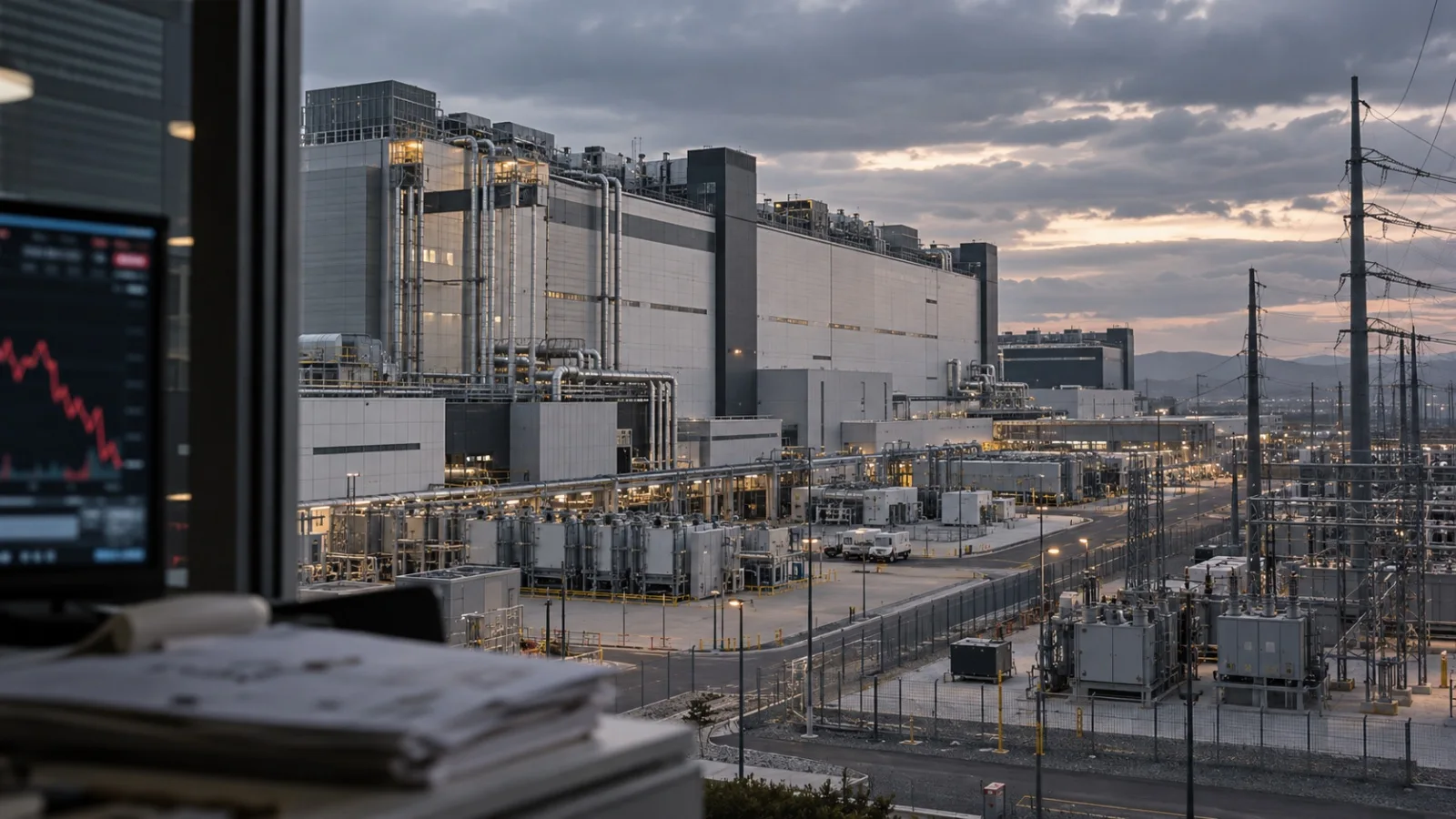
Chip factories are busy. The bond market is nervous.
This week's AI chip market was hard to read in a single direction. TSMC posted record results, and ASML warned that equipment supply could run short. Schneider Electric raised its full-year outlook, citing data center power demand. At the front line of the supply chain, AI infrastructure spending still looks strong.
Financial markets, though, have started asking a different question. It is no longer "is there demand?" but "who can fund that demand, at what rate, and for how long?" The jump in yields on some CoreWeave bonds to 16%, along with a surge in its credit default swaps, shows the shift most clearly.
| Metric | Value | Note |
|---|---|---|
| TSMC 3Q26 revenue | $46.72B | 4Q guidance $52.3B to $54.3B |
| ASML 3Q26 revenue | €11.66B | Gross margin 57.5% |
| Some CoreWeave bonds | About 16% yield | A high risk premium demanded by credit markets |
Memory is still in an upcycle, but the 2028 picture has changed
TrendForce expects fourth-quarter 2026 contract prices for conventional DRAM to rise 10% to 15% from the prior quarter, and NAND prices 15% to 20%. The pace of increases may slow, but there is no sign yet that prices have turned lower. Enterprise SSDs in particular benefit directly from AI server and data processing demand.
Suppliers also keep the upper hand in HBM. TrendForce forecasts that the blended average selling price of HBM in 2027, including product mix changes, will rise 121% from a year earlier. That number should not be read as the price of the same HBM product more than doubling. It is an average that includes a larger share of HBM4 and HBM4E.
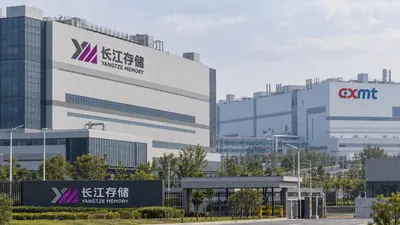
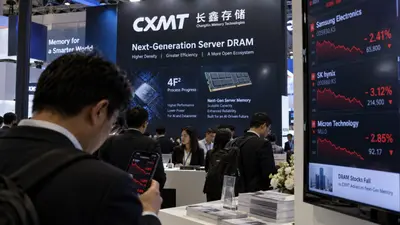
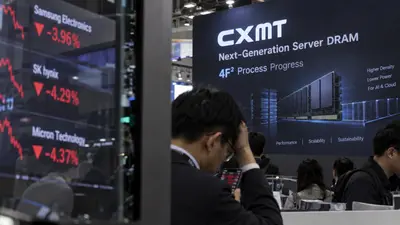
The more important change is that suppliers' advantage is not permanent. Samsung Electronics and Micron are catching up, China's CXMT and YMTC are expanding capacity, and the three incumbent makers are adding new fabs. The years 2028 and 2029, when investments decided in 2026 and 2027 turn into actual output, may be the first time supply growth collides head-on with AI demand.
This supercycle is not like past ones
Past chip cycles were driven mainly by inventory, PC and smartphone demand, and memory capacity additions. This time there is one more variable: the financial structure of data centers.
An AI data center does not generate revenue just because it buys GPUs. Power grids, transformers, cooling, optical networking, land and grid interconnection all have to line up. And all of that equipment has to be paid for. That is why Microsoft, Alphabet, Amazon and Meta, with their powerful cash flows, should not be lumped together with heavily indebted neoclouds.
| Area | Current signal | Key risk |
|---|---|---|
| GPUs and ASICs | Strong demand | Expansion of in-house chips, cloud price competition |
| HBM and DRAM | Prices still rising | Simultaneous capacity additions after 2028 |
| TSMC and ASML | Strong demand for leading-edge process and equipment | High expectations and valuations |
| Power and cooling | Bottlenecks persist | Project delays and grid interconnection |
| Hyperscalers | Rising investment | Depreciation and free cash flow pressure |
| Neoclouds | Revenue growth | High debt and refinancing costs |
So a peak in this cycle cannot be identified by one test, such as whether GPU orders have fallen. The better check is whether falling prices, declining orders, rising inventory, expanding supply and customer capex cuts appear together.
Insight Times Editorial Desk