AI's Peak Isn't Next Year: How to Invest for 2029 Now
Growth in AI infrastructure spending may slow, but the money is likely to move from memory and power toward enterprise AI, data, security and robotics. Investors may do better to track the order in which profits shift than to guess when AI ends.
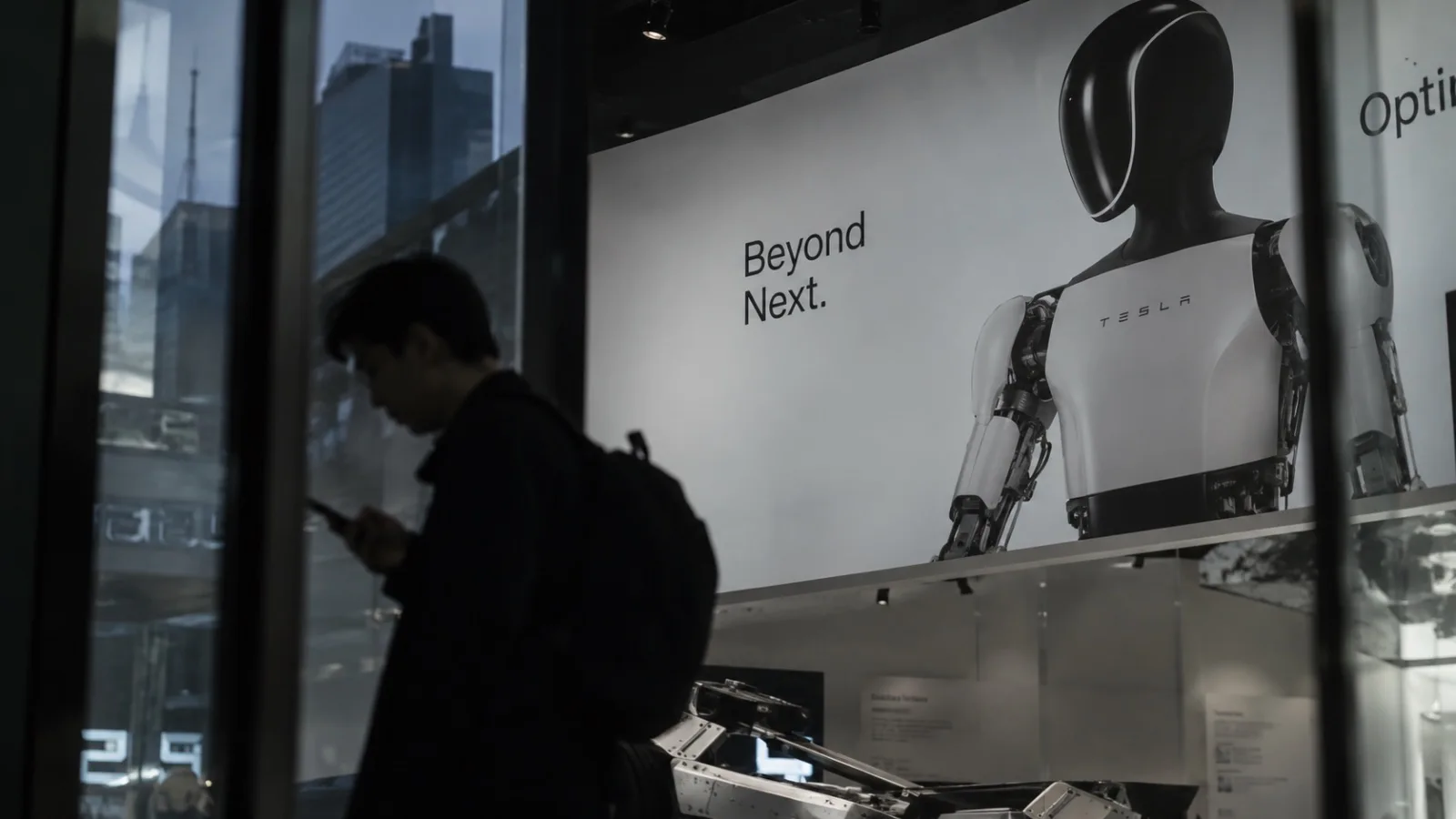
The claim that 2027 will be the peak of AI investment may be only half right. Growth in infrastructure spending could slow. But the money is more likely to move than to vanish, shifting from memory and power toward enterprise AI, data, security and robotics. What matters for investors is not the end of AI but the order in which profits move.
What ends next year may be the "everything rises together" market
The most common question about AI investing is whether 2027 is the peak. It helps to split that into two questions. First, when does growth in data center and semiconductor spending pass its peak? Second, when does AI finish changing companies' cost structures and the way industries produce things?
These are not the same clock. A recent analysis citing Morgan Stanley said hyperscaler capital spending growth could fall from about 100% in 2026 to 60% in 2027 and 14% in 2028. A slowdown in the growth rate is possible. But BofA estimated that global data center spending could rise from about $1 trillion in 2026 to $2.1 trillion in 2028. The pace of growth can fall while the absolute size of the market keeps getting bigger.
AI in 2029 looks less like a chatbot and more like a working system
The more important change in enterprise AI is not how well a model talks but how far it can act. In work that crosses many systems, such as coding, customer service, ad production, purchasing, logistics and accounting review, AI agents are moving into taking real actions.
- 40%: share of respondents who said they are scaling AI agents in at least one function
- 37%: share who said AI has contributed positively to EBIT to any degree
- 6%: share who said AI has contributed meaningfully to 5% or more of EBIT
In McKinsey's 2026 survey, agent adoption at large companies is moving fast, but financial results still lag. That gap is a weakness of the AI cycle and also the starting point for the next stage of investment. Companies need more than a model. They also have to clean up data, set access permissions, add security, redesign work and train staff. AI spending could therefore broaden over time, from compute toward data, security and software that executes work.
Memory could stay a bottleneck beyond 2027
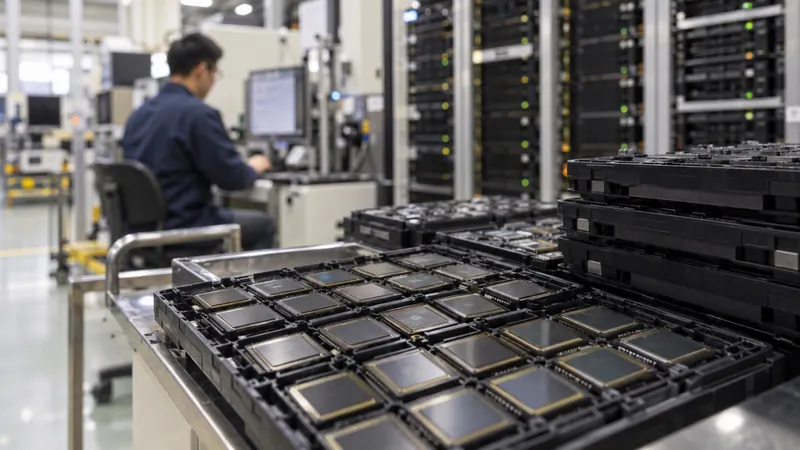
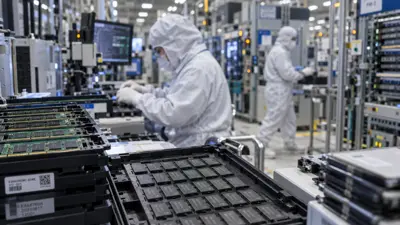
As inference moves from short questions to long context, video and multi-agent systems, memory use grows. IDC expects HBM4 supply to meet demand around mid-2027, and it said tight memory supply could last through 2028. The bottleneck is not limited to HBM. Server DRAM, NAND, advanced packaging, optical communications and power components are all under pressure.
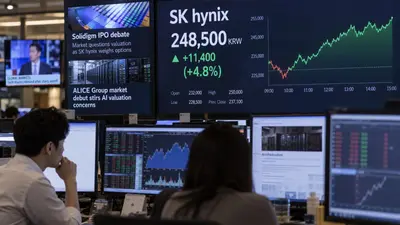
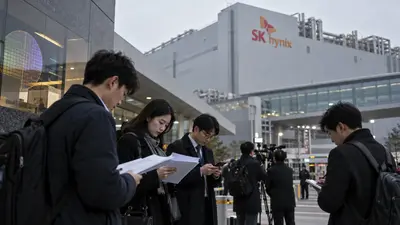
SK hynix has also said its DRAM and HBM volumes through 2029 are effectively sold. That wording needs a careful read. The firm-commitment long-term agreements the company has disclosed cover more than 50% of 2027-2028 production capacity. The rest combines demand the company is negotiating in detail with customers. High sales visibility is not the same as saying every unit is under a firm contract.
Memory stocks should therefore be viewed differently from platform stocks. When demand is strong, prices and margins improve sharply, but high prices eventually invite added supply. Long-term investors may want to watch inventory, average selling prices, capital spending growth and the share of long-term customer contracts, not just shipments.
Nvidia has more than one peak
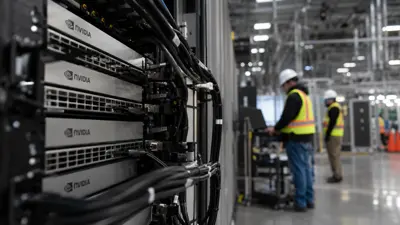
Nvidia reported revenue of $96.2 billion in the second quarter of fiscal 2027, up 106% from a year earlier. Data center revenue was $89 billion, up 117%. The company guided next-quarter revenue to $108 billion, plus or minus 2%. None of that points to a demand cliff for now.
Still, investors may want to separate three peaks. The peak in the growth rate comes first, the absolute peak in revenue and profit comes next, and the stock price peak can come before both. Even if the business keeps growing, a stock's excess returns can fade if the market has already priced in higher growth.
That makes NVDA less a question of suddenly selling and more a question of spreading AI profit exposure across Broadcom, TSMC, memory, networking and power infrastructure. The approach keeps a core position without betting the whole AI future on one company.
Power shortages redirect the money more than they stop AI
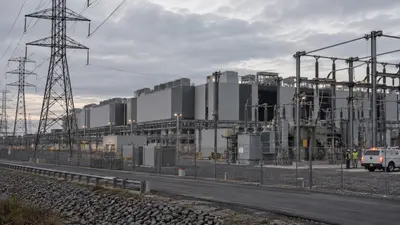
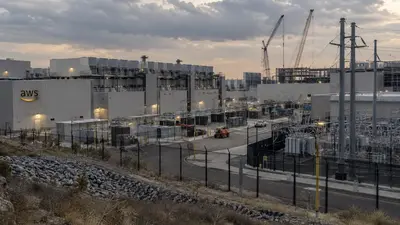
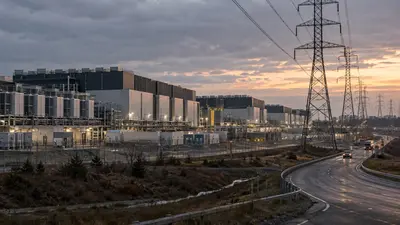
The IEA projects that global data center electricity use will nearly double, from 485 TWh in 2025 to about 950 TWh in 2030, and that power use by AI-focused data centers will roughly triple over the same period. IDC estimates that about 7 GW of US data center capacity planned for 2026 has been delayed or canceled because of power shortages.
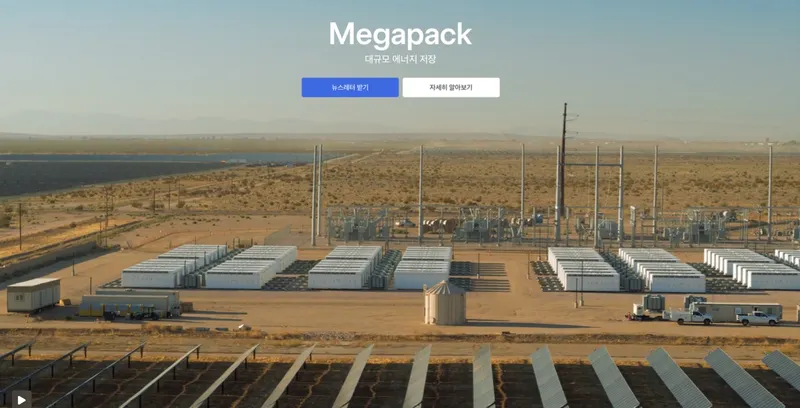
Generation is not the only problem. Grid connections, transformers, cooling, gas turbines and battery storage, the equipment that actually delivers power to a data center, become bottlenecks. A power shortage may thus be less the end of AI than a path along which profits move from semiconductors to electrical equipment, cooling and generation. Still, possible beneficiaries such as Eaton, Vertiv and GE Vernova need their industry outlook weighed separately from their current valuations.
For Tesla's Optimus, verification comes before profit through 2029
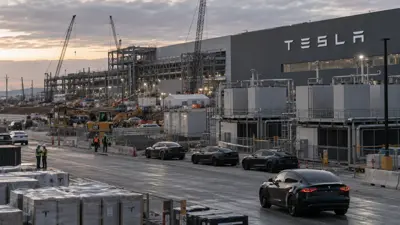
Tesla has started early production of Optimus, and Elon Musk said he expects deliveries to outside corporate customers around the end of 2027. But the company has not disclosed actual production volume, the success rate of autonomous tasks, how often humans intervene remotely, or the cost per task. Tesla's 10-K also states that the robot business is not yet commercialized and that demand and success cannot be predicted.
The wider industry is early too. Gartner forecasts that fewer than 20 companies will have scaled humanoids to real production in manufacturing and supply chains by 2028. For Optimus in 2027-2029, the investment signals are therefore less about unit sales than outside paying customers, repeat orders, uptime, cost per task and remote intervention rates. Until those numbers are confirmed, treating the robot business as a high-growth option is the more conservative view.
AI runs on three clocks
| Period | Central change | Investment reading |
|---|---|---|
| 2027-2028 | Buildout of GPUs, HBM, networking and power | Earnings can be strong, but growth may slow and valuation volatility may widen |
| 2028-2030 | Inference, enterprise agents, data, security | Profits spread from hardware investment to beneficiaries of real productivity and cost savings |
| After 2030 | Robots, autonomous systems, scientific AI | The winners could be large, but accuracy in picking individual companies today is low |
Seen this way, "when does AI end?" matters less than a more useful question: which layer slows first, and where do profits move after that?
Insight Times Editorial Desk