Google Sent an AI Chip to Orbit. Is the Next Data Center Address Off Earth?
A Google TPU in orbit wrote a poem and beamed it home. The small test points to a bigger shift: the AI race is moving from chip performance to power and location.
1. Google's AI wrote a poem in space
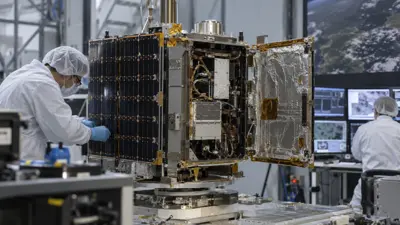
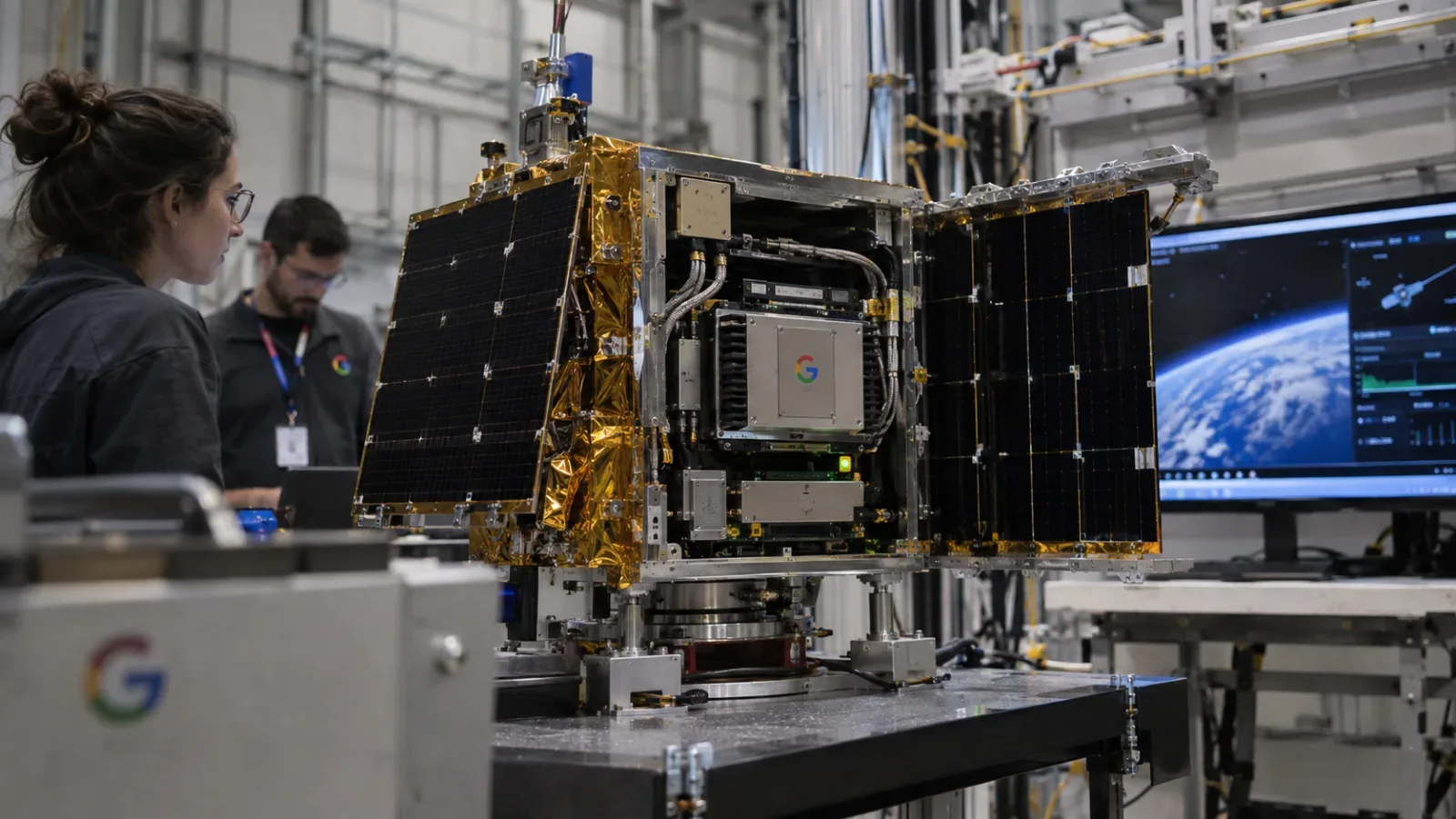
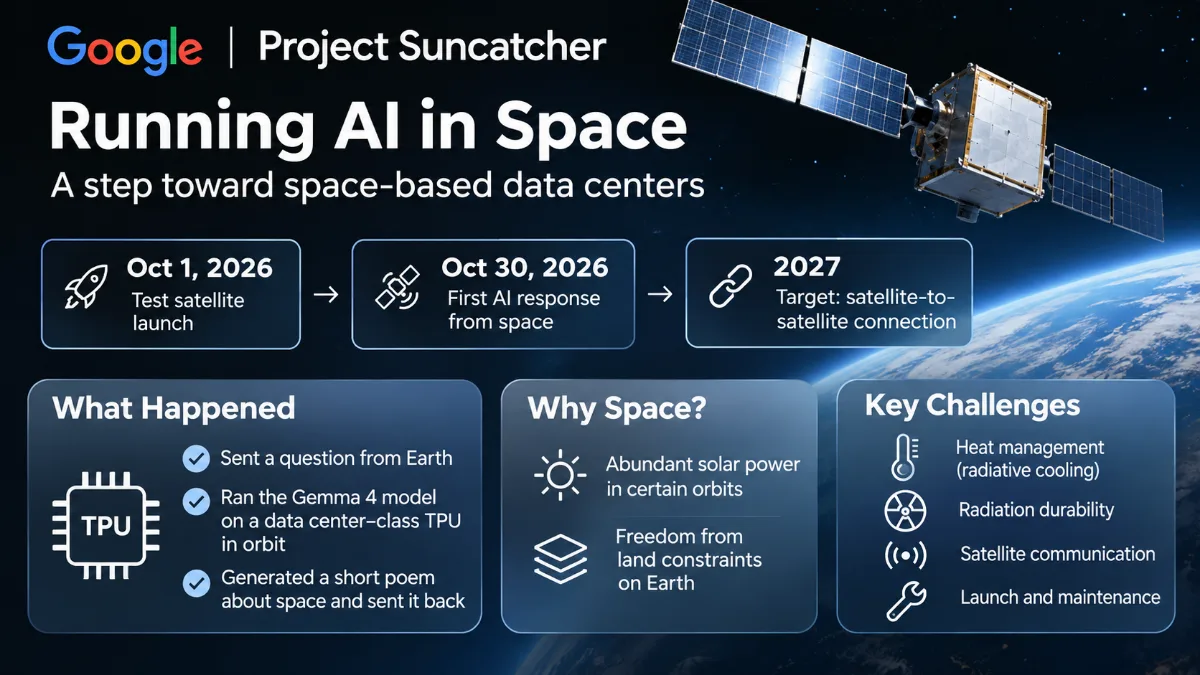
On Oct. 1, Google launched a prototype satellite for a project called Project Suncatcher.
On Oct. 30, it released an interesting result.
Operators on the ground sent the satellite a simple request: write a short poem about space.
Google's AI chip, the TPU, aboard the satellite ran the Gemma 4 model. The AI wrote a poem looking back at Earth and sent the finished answer down to the ground.
The content of the poem is not the point.
The answer was not produced with help from a data center on Earth. It was generated directly by a chip in space.
Google described it as the first case of a data-center-class TPU performing AI inference in orbit.
Inference is the process in which a trained AI model takes a question and produces an answer. It happens every time someone asks an AI a question.
Google ran that process in space.
Key insight: AI does not necessarily have to run in a data center on the ground.
2. Why send expensive chips to space?
The answer lies on the ground.
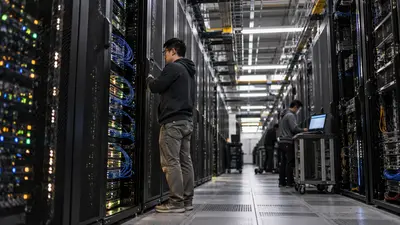
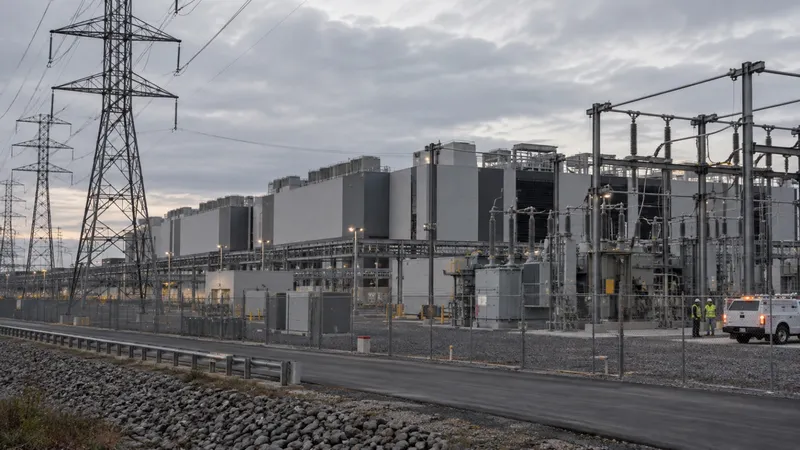
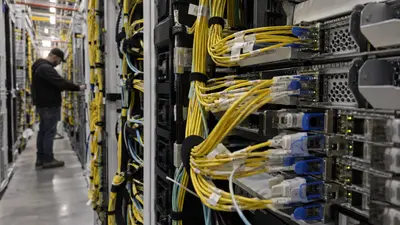
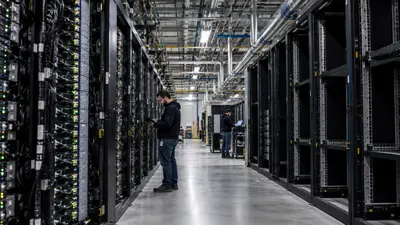
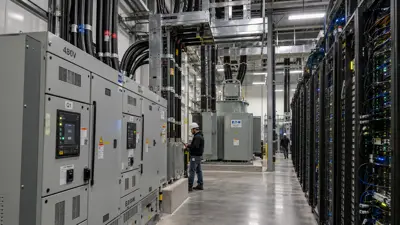
Building an AI data center takes more than chips. It needs huge amounts of electricity, cooling equipment, large tracts of land and transmission lines to bring in power.
No matter how advanced AI chips become, they cannot compute without enough electricity.
So Google's new candidate site is space.
Under certain orbital conditions, sunlight is abundant. Land acquisition on the ground is no longer a constraint.
It is a change in thinking.
Until now, the question was where to find the electricity and land a data center needs.
Google changed the question.
Could the data center move to a place where power and space are easier to get?
This is not just about loading servers onto satellites. It is an attempt to redesign where AI computing infrastructure sits.
Key insight: AI infrastructure competitiveness depends not only on chip computing power but on how favorably a company secures power and space.
3. Space has plenty of sunlight. But how do you cool the heat?
When people picture a space data center, one idea comes first.
Servers in cold space should be easy to cool.
In practice the problem is the opposite.
On the ground, air or water carries heat away from servers. Space is a vacuum, so convection cooling through air is impossible.
In space, heat has to be shed by radiation, meaning thermal energy sent outward as electromagnetic waves.
Generating power from sunlight and dumping the heat an AI chip produces are separate engineering problems.
Add launch costs, space radiation and the difficulty of maintaining broken equipment.
That is why Google's next experiment matters.
Google is targeting an inter-satellite link test in 2027. It plans to connect two satellites to test communications and to check how well the TPU withstands heat and radiation in space.
The more important question is not that the AI wrote a poem, but whether multiple connected satellites can operate like a single computing system.
Key insight: The core technology of a space AI data center is the system design that ties together not just chips but communications, power supply and thermal management.
4. Why Google's space test connects to SpaceX
Consider it from an investor's perspective.
If AI data centers extend into space, the range of beneficiary industries changes.
On the ground, the main investment targets are AI chips, servers, power equipment and cooling equipment.
In space, new industries attach to that list.
| Industry | Role in space AI infrastructure |
|---|---|
| Google TPU | AI computation and inference in space |
| SpaceX launch vehicles | Carry chips and satellite hardware to orbit |
| Satellite communications | Link multiple satellites and ground systems |
| Space solar power | Supply the electricity AI computation needs |
| Space thermal management | Dump heat generated by chips |
SpaceX in particular looks different through this lens.
If space data centers spread, launch vehicles become more than a way to move cargo. They become a key supply chain for building AI computing infrastructure.
Google, for its part, gets a chance to extend the TPU beyond ground data centers into a new computing environment.
The picture is of the AI industry and the space industry joining as one infrastructure ecosystem rather than two separate markets.
Key insight: If space AI grows, investment opportunities widen beyond AI models and chips to launch vehicles, satellite communications, power and thermal management.
5. Will the Nvidia-Google contest change venues?
At the center of the AI computing market today are high-performance AI chips such as Nvidia GPUs and Google TPUs.
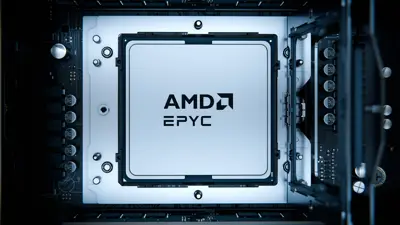
GPUs are strong at handling many calculations at once. The TPU is a chip Google designed specifically for AI workloads.
So far, the main yardsticks for their rivalry have been computing performance, power efficiency and software ecosystem.
A space data center adds other demands.
How much computing can a chip do on limited power? How well does it withstand extreme temperatures and radiation? How efficiently does it work in a system of linked satellites?
Google designs its own TPUs and develops its own AI models. This time it took that technology to a new environment: space.
Over the long run, the AI chip contest could widen from who makes the faster chip to who builds computing infrastructure in the more favorable location.
In that process, the Nvidia-Google rivalry would enter new territory.
Key insight: The value of an AI chip depends not only on its performance but on how efficiently it works in a given physical environment.
6. What investors should watch
The most interesting number in Google's announcement is 2027.
That is when it aims to move beyond running AI on a single satellite to linking several.
Four indicators are worth tracking:
- Inter-satellite link performance: whether multiple satellites can work together as one computing system
- TPU heat and radiation durability: whether it can keep computing reliably in space
- Launch and maintenance costs: how the economics change as space infrastructure scales
- Solar power and thermal management efficiency: whether it can build a location advantage over ground data centers
If these four connect, space AI starts to take the shape of a new industry.
Investors can look at Google's AI technology, SpaceX's launch capability, satellite communications and space power equipment as one industry thread.
Key insight: The task now is not to rush to find space data center stocks, but to track which technologies actually solve a real infrastructure bottleneck.
7. Insight Times View: The next AI contest is about changing the data center's address
Google writing a poem in space is a fun story.
But its real meaning lies not in the poem but in an attempt to change the geographic limits of AI computing.
If the last phase of the AI race was about securing more powerful chips, where to install those chips and how to power them is likely to matter more from here.
On the ground, the power grid and land are the problem. In space, launch, communications and thermal management are.
When the place changes, the bottleneck changes, and so does the position of the companies that make money.
Google's Project Suncatcher shows where that change starts.
To see the future of space data centers, look past a single AI chip floating in orbit to the whole industrial ecosystem that makes it work.
AI leaving Earth does not simply mean computers change location.
It means the AI infrastructure value chain extends beyond Earth.
Insight Times Editorial Desk