Tesla Semi's Real Bottleneck Is Starting to Clear
A new 30-megawatt heavy-truck charging buildout in California is too small to move Tesla's earnings on its own. But it marks real progress on one of the Semi business's hardest problems: charging infrastructure that has to exist before the trucks do.
What Matters More Than 30MW Is Who Actually Uses It
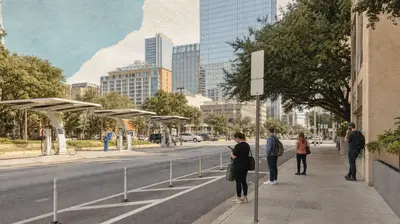
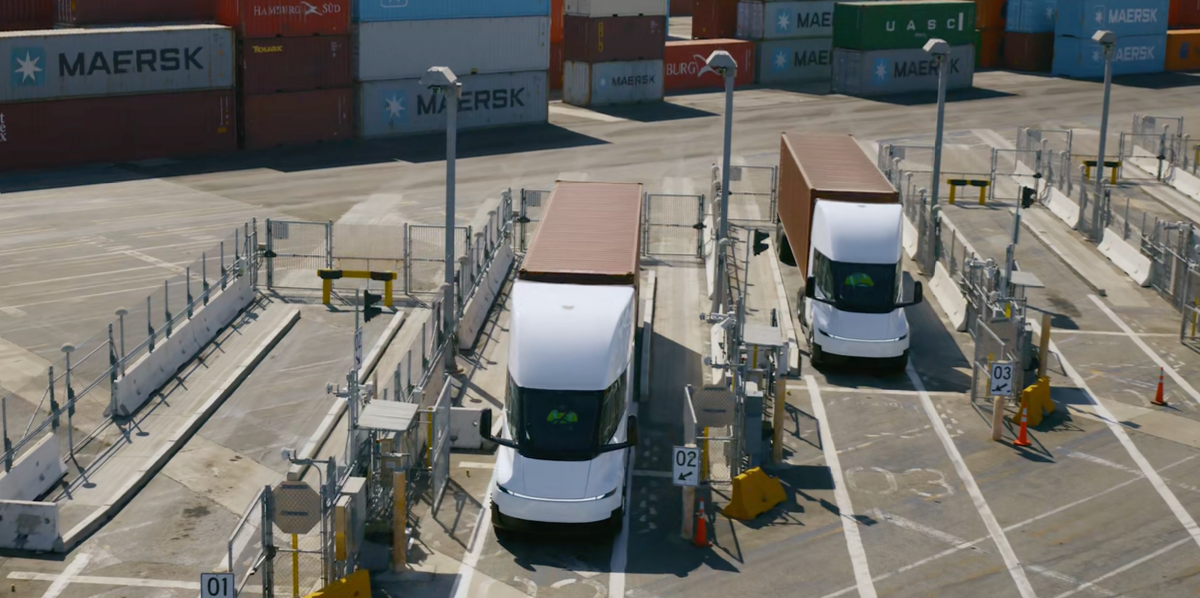
It would be easy to read this announcement as "Tesla is building a 30-megawatt charging network." That is not quite right. Forum Mobility is building four new heavy-truck charging sites in California that add 30 megawatts of capacity combined, and Tesla will operate public Megacharging at three of them: FM Francis in Ontario, FM Adeline, and FM Coliseum.
The fourth site, FM Santa Fe in Rancho Dominguez, will be operated by Forum Mobility itself. That location has already locked in contracted demand from customer carriers planning to run more than 330 Tesla Semi trucks. Forum Mobility says it now has more than 40 megawatts of CCS and MCS charging capacity either operating or under construction across its existing and new sites combined.
30MW — Heavy-truck charging capacity added across the four new California sites
3 sites — New locations where Tesla will directly operate public Megacharging
330+ — Tesla Semi trucks reserved by Forum Mobility's customer carriers
Semi's Problem Was Never Just the Battery
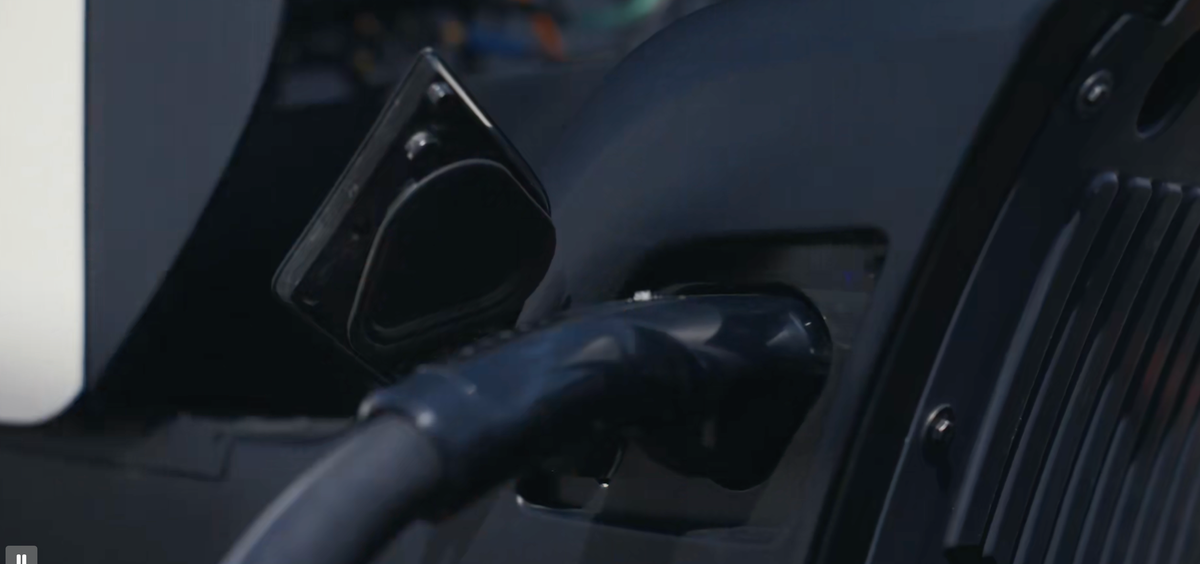
Passenger EVs can charge at home, at work, at a mall, or on the highway. Class 8 heavy trucks are different. A truck weighing tens of tons on a long-haul route needs a very large amount of power delivered in a short break, and it needs room to maneuver up to a charger while still hauling a trailer.
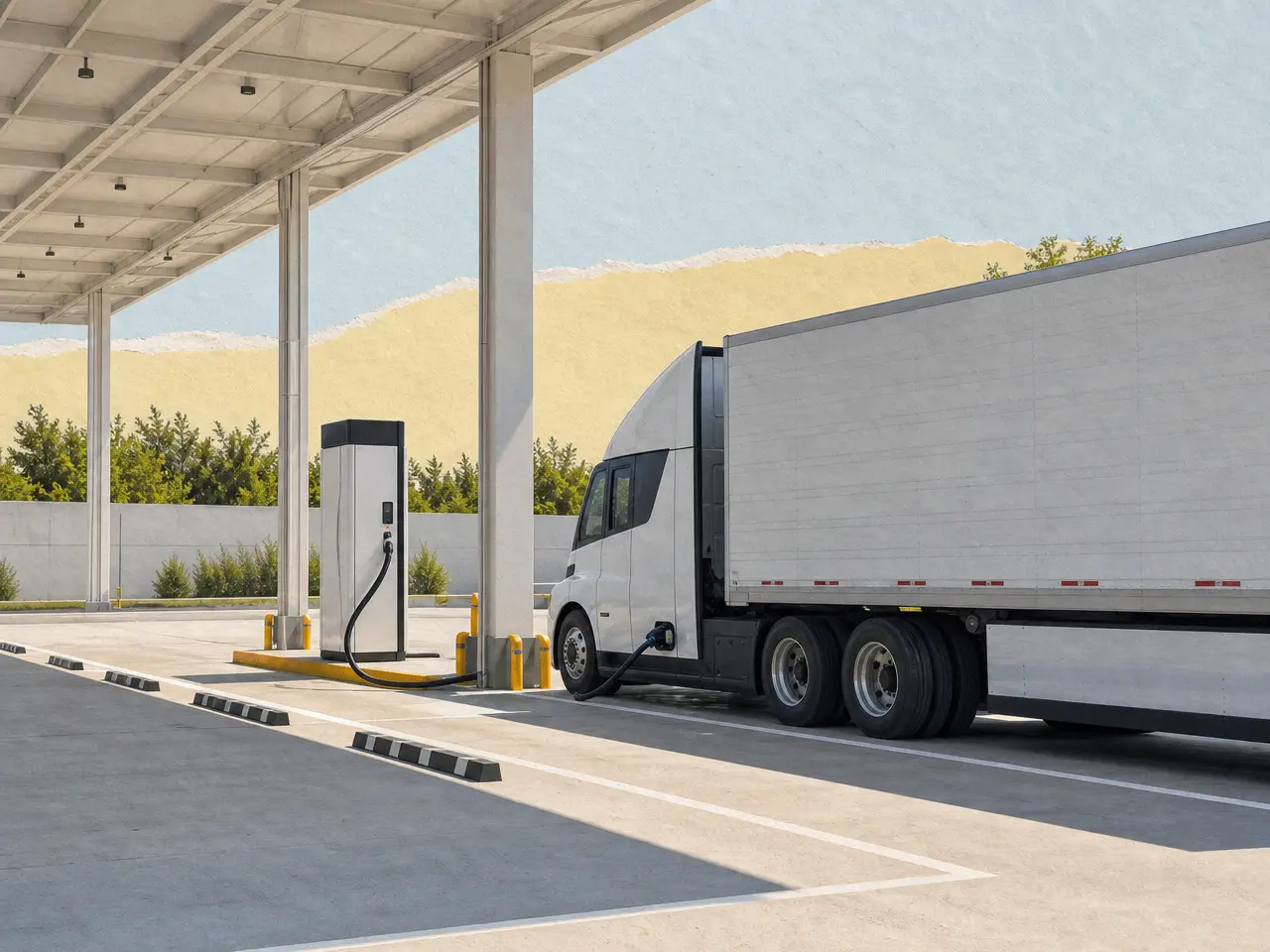
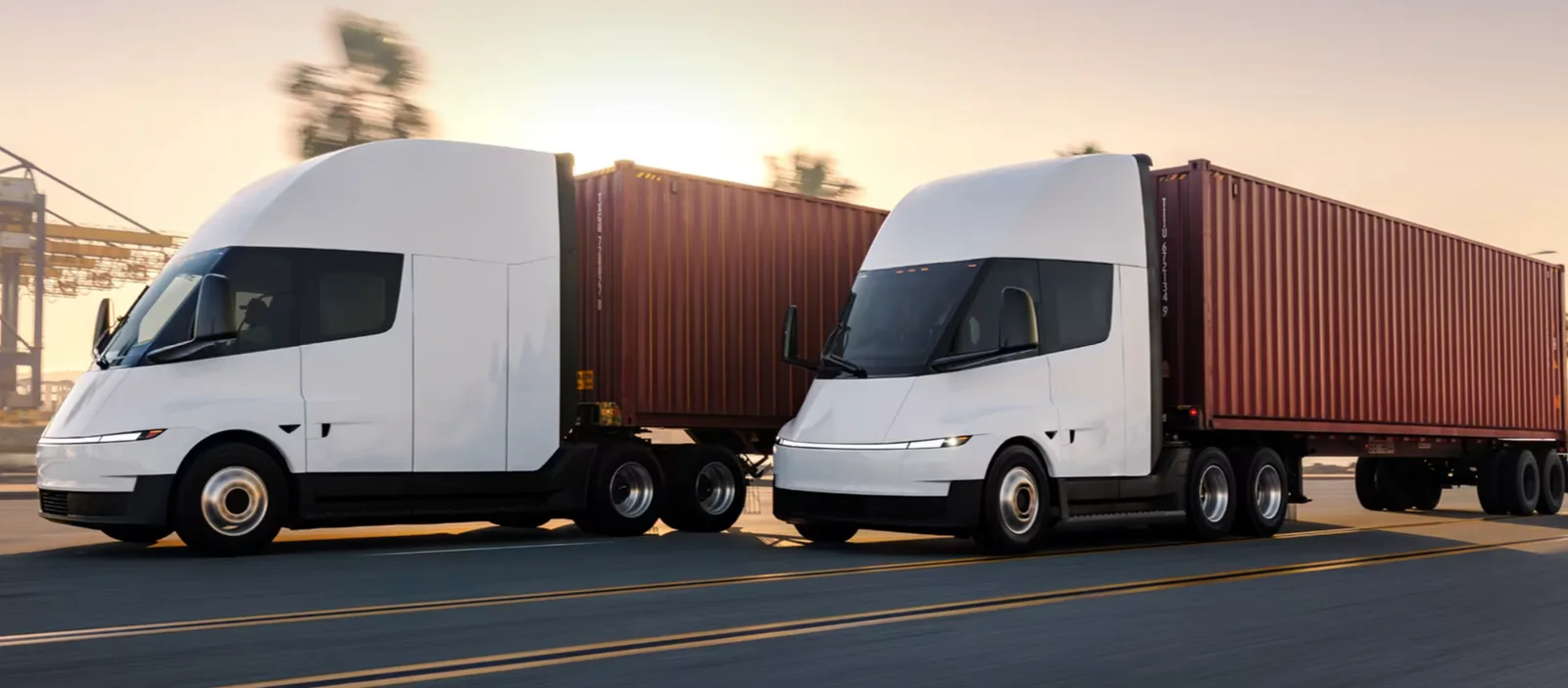
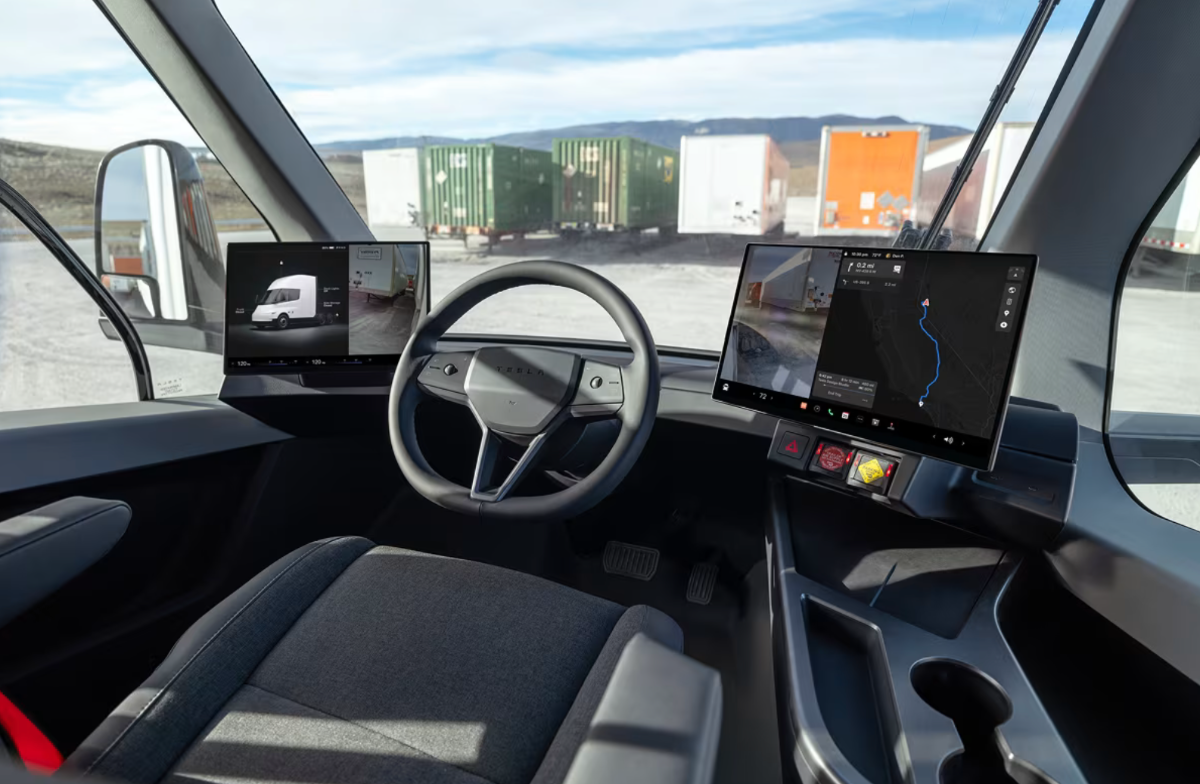
Tesla says the Semi Long Range is designed for up to 500 miles of range, and its Megacharger tops out at 1.2 megawatts of output. Tesla says roughly 30 minutes of charging can restore up to 60% of range. That is an order of magnitude more power flowing into a single vehicle at once compared with a passenger Supercharger.
That is also why these Forum Mobility sites use pull-through lanes. Detaching a trailer, backing into a charger, and reconnecting is, for a freight company, simply a cost. Charging infrastructure has to function as an operating system built around freight movement, not just a machine that dispenses electricity.
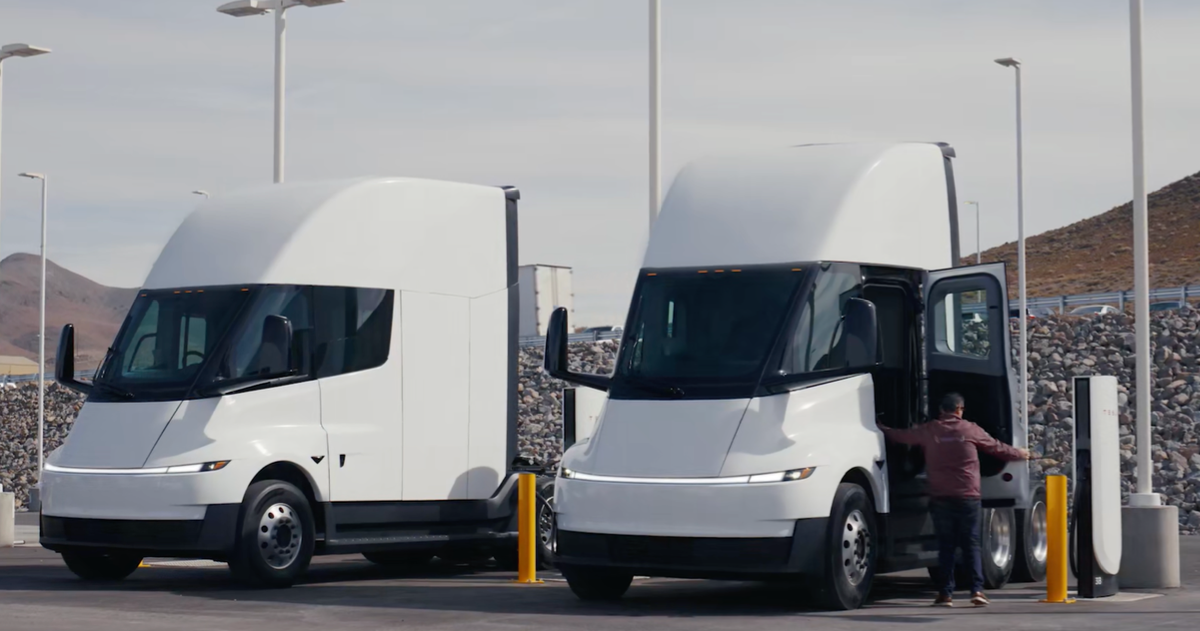
Tesla May Be Building a Truck Version of Supercharger
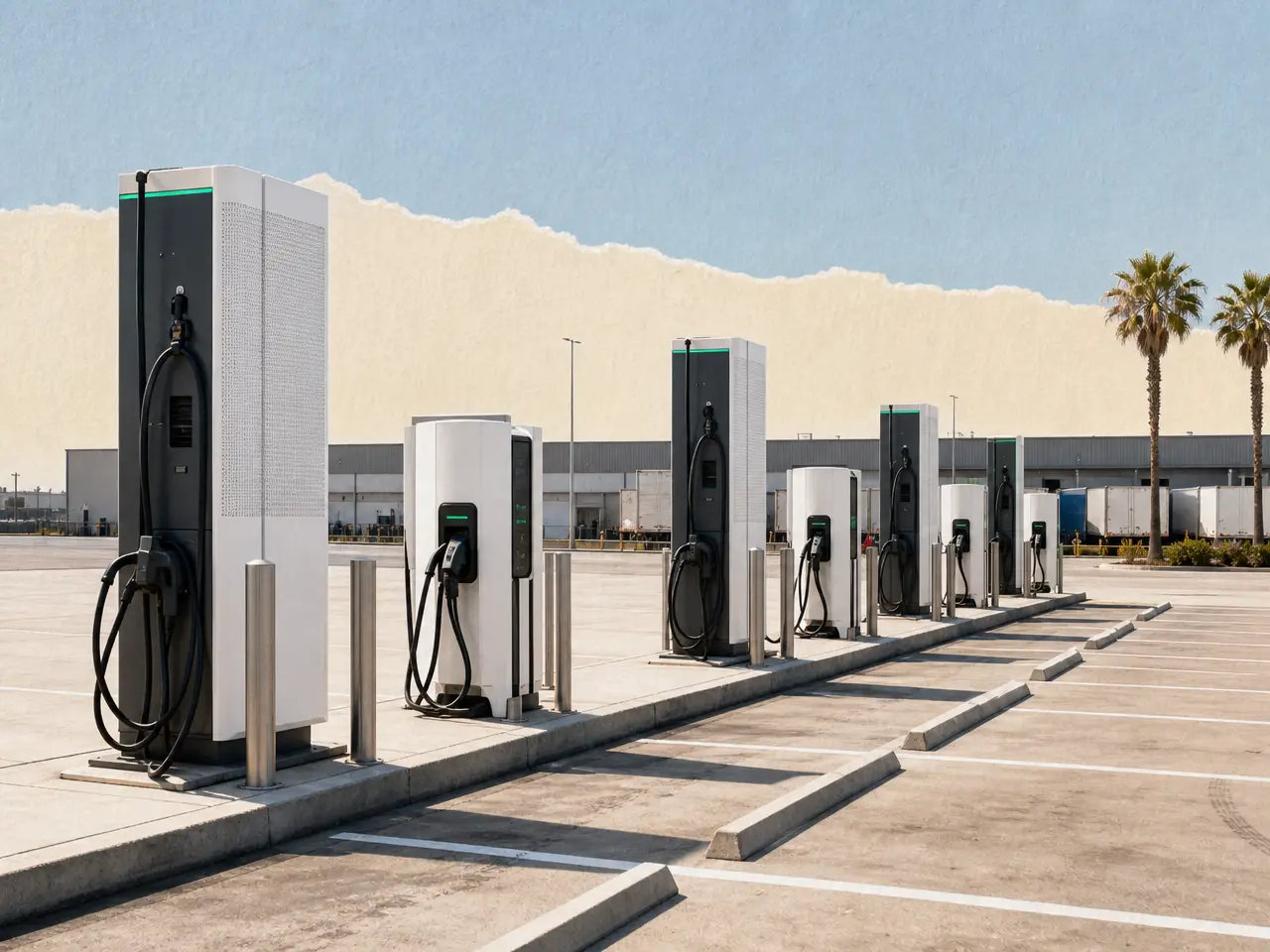
One of Tesla's strongest competitive advantages in the passenger EV market was its charging network. Consumers were not just buying a car, they were buying access to a place to charge it. The same dynamic could take shape with Semi.
This time the approach differs slightly. The new sites will install CCS alongside Tesla's own MCS standard, letting electric trucks from other manufacturers use them too. That is a more open approach than a closed, proprietary network. In exchange, Tesla can push up early utilization and quickly build operating experience and electricity-sales data.
If this model scales, Tesla's Semi business may not end at vehicle sales. Charging hardware, charging operations, electricity sales, vehicle software, and fleet management could all connect into a single service bundle. That revenue is not yet large enough to matter to Tesla's overall bottom line, but over the long run it could be the foundation that determines whether Semi actually pencils out economically.
The Really Interesting Number Here Is 330
The biggest risk in the charging-station business is building the site and having no one show up to use it. Heavy-truck charging stations are especially exposed because the cost of bringing in power and building out the site is large, making it hard to survive a long stretch of low utilization.
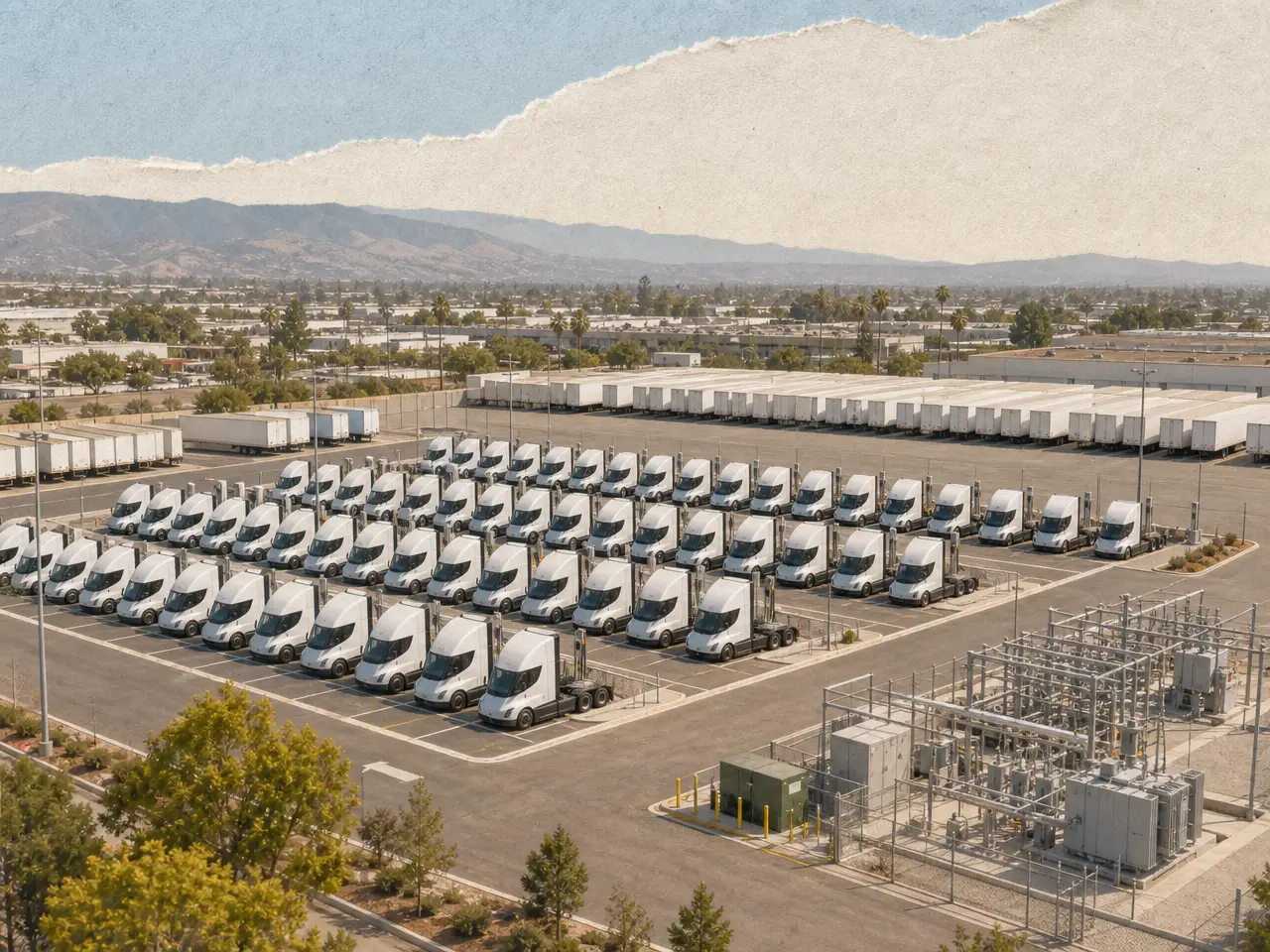
That is what makes the 330-plus Tesla Semi reservations from Forum Mobility's customer carriers notable. It suggests that at least some of these charging sites are not being built on the hope that trucks will show up eventually, but alongside actual freight demand already lined up.
Forum Mobility says it now has contracted charging demand from 25 transportation operators. That means evaluating the Semi business is not just about counting vehicles produced. It also means checking whether real fleet customers and charging locations are growing at the same time.
What's Confirmed, and What Still Isn't
| Confirmed | Still needs confirmation |
|---|---|
| 30MW combined across the four new sites | Actual power capacity at each site and phased activation timing |
| Tesla operating public Megacharging at 3 sites | Exact number of Tesla MCS chargers at each location |
| Latest sites pair MCS with CCS | Actual peak charging output and average charging speed by vehicle |
| 330+ Tesla Semi trucks reserved | How fast reservations convert into actual deliveries and steady operation |
| FM Santa Fe targeted for Q1 2027 activation | Specific opening timeline for the remaining new sites |
Insight Times Editorial Desk