Tesla Q3 Preview: Deliveries Recovered, Now Profit Gets Tested
Tesla delivered 486,532 vehicles, ahead of expectations. The October 21 report will show whether auto margin, energy profit and cash flow can keep pace with rising AI spending.
1. Sales held up. The question now is how much Tesla earned
Tesla reports third-quarter results after the close on October 21. The earnings call follows after the report.
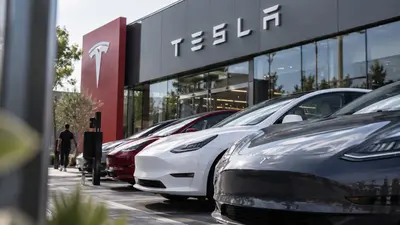
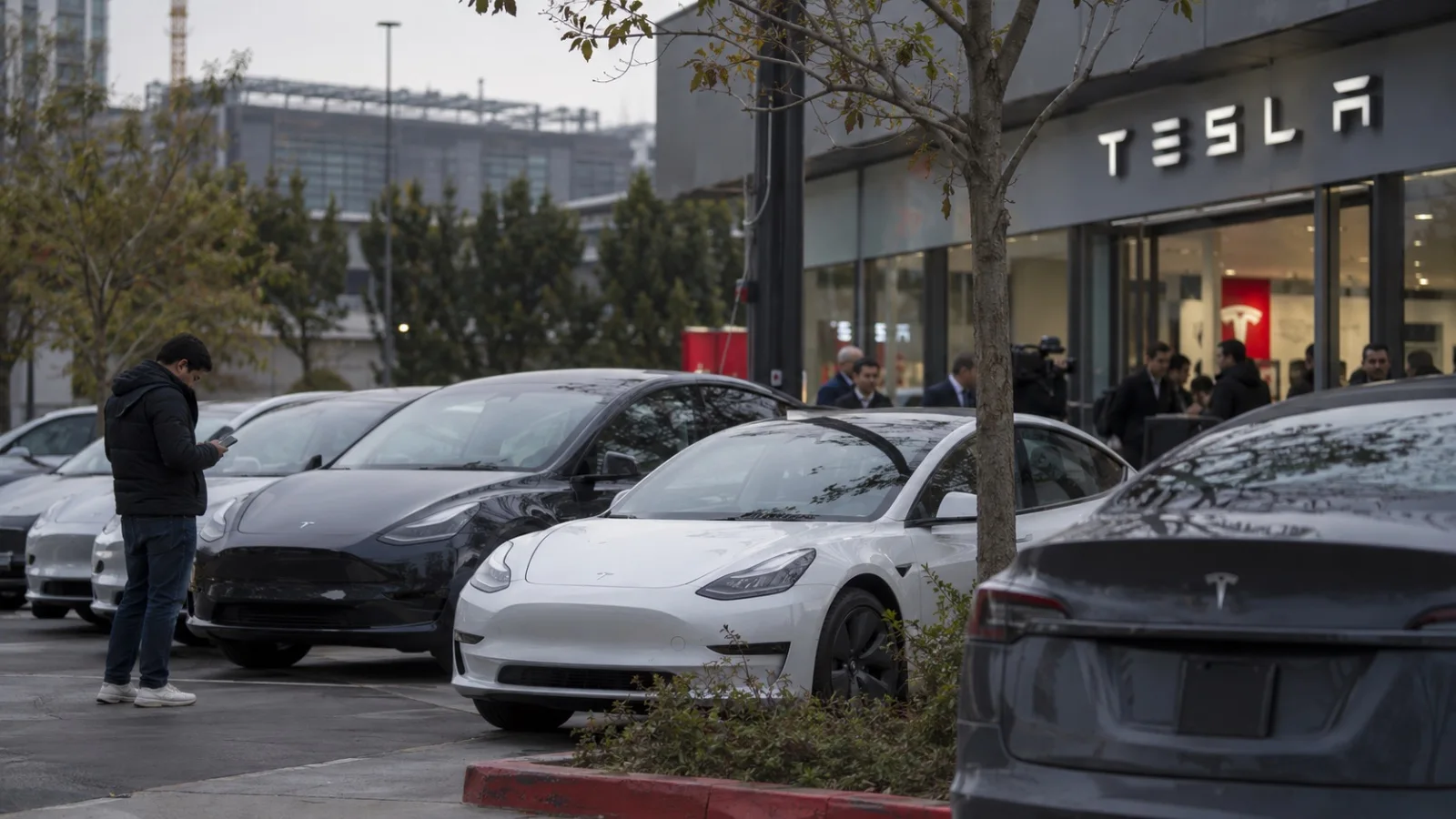
The delivery figure, already public, beat market fears. Tesla delivered 486,532 vehicles, above expectations, and sold 22,141 more than it produced. That points to less inventory pressure.
But higher deliveries do not automatically mean higher profit. If Tesla lifted sales with price cuts and low-rate financing, profit per vehicle could fall.
| Metric | Figure | Note |
|---|---|---|
| Vehicle deliveries | 486,532 | +5.3% vs. expectations |
| Vehicle production | 464,391 | 22,141 fewer than deliveries |
| Energy storage deployments | 13.7 GWh | -13.8% vs. expectations |
| Q2 auto gross margin | 16.3% | Excluding regulatory credits |
Source: Tesla Investor Relations, Q2 2026 results and Q3 production and delivery release.
2. Can auto margin rebound from 16.3%?
Tesla's auto gross margin excluding regulatory credits was 16.3% in the second quarter. That was 2.9 percentage points below the 19.2% of the first quarter.
The backdrop matters. The first quarter included a one-time benefit of about $230 million tied to warranty reserve adjustments and tariffs. Tesla management said that, with this removed, second-quarter auto margin was broadly similar to the prior quarter. A simple comparison of 19.2% and 16.3% therefore does not prove the core business weakened by that much.
This report should be read for average selling price, cost per vehicle, financing promotion costs and the absolute dollar amount of gross profit excluding regulatory credits. What matters is whether a margin rebound and a real rise in profit show up together.
3. In energy, the quality of profit matters more than the miss
Third-quarter energy storage deployments of 13.7 GWh were up about 9.6% from 12.5 GWh a year earlier. They fell short of the 15.9 GWh market estimate. The result missed expectations, but the business did not shrink.
Quarterly deployments at large storage projects can swing with customers' plant construction and grid connection schedules. One quarter's shortfall is a weak basis for judging long-term demand.
This time, the energy segment's gross margin, absolute profit and future delivery schedule matter more. Long-term orders such as the Megapack contract in Taiwan may be positive, but future contracts should be kept separate from profit recognized this quarter.
4. Does Tesla have enough room to invest?
Tesla's second-quarter operating cash flow was about $4.7 billion. Capital spending of about $5.8 billion left free cash flow at about -$1.1 billion.
At the end of June, cash, cash equivalents and short-term investments stood at about $43.5 billion. That makes it hard to argue a funding crisis is imminent. Still, as spending rises, a large cash pile is not the same as sustainable cash generation.
The technical promise of robotaxi, FSD and Optimus remains an important growth variable. Investors still need to check the scale of paid services, customer adoption, operating cost per unit and when cash is actually collected.
Insight Times Editorial Desk