If Tesla and SpaceX Merge, Who Gets the Gains from Musk's Grand Plan?
The two companies have begun formally weighing a merger. For long-term TSLA holders, the key question is not technical synergy but how much of the value created flows to existing shareholders.
A merger has entered formal discussion for the first time
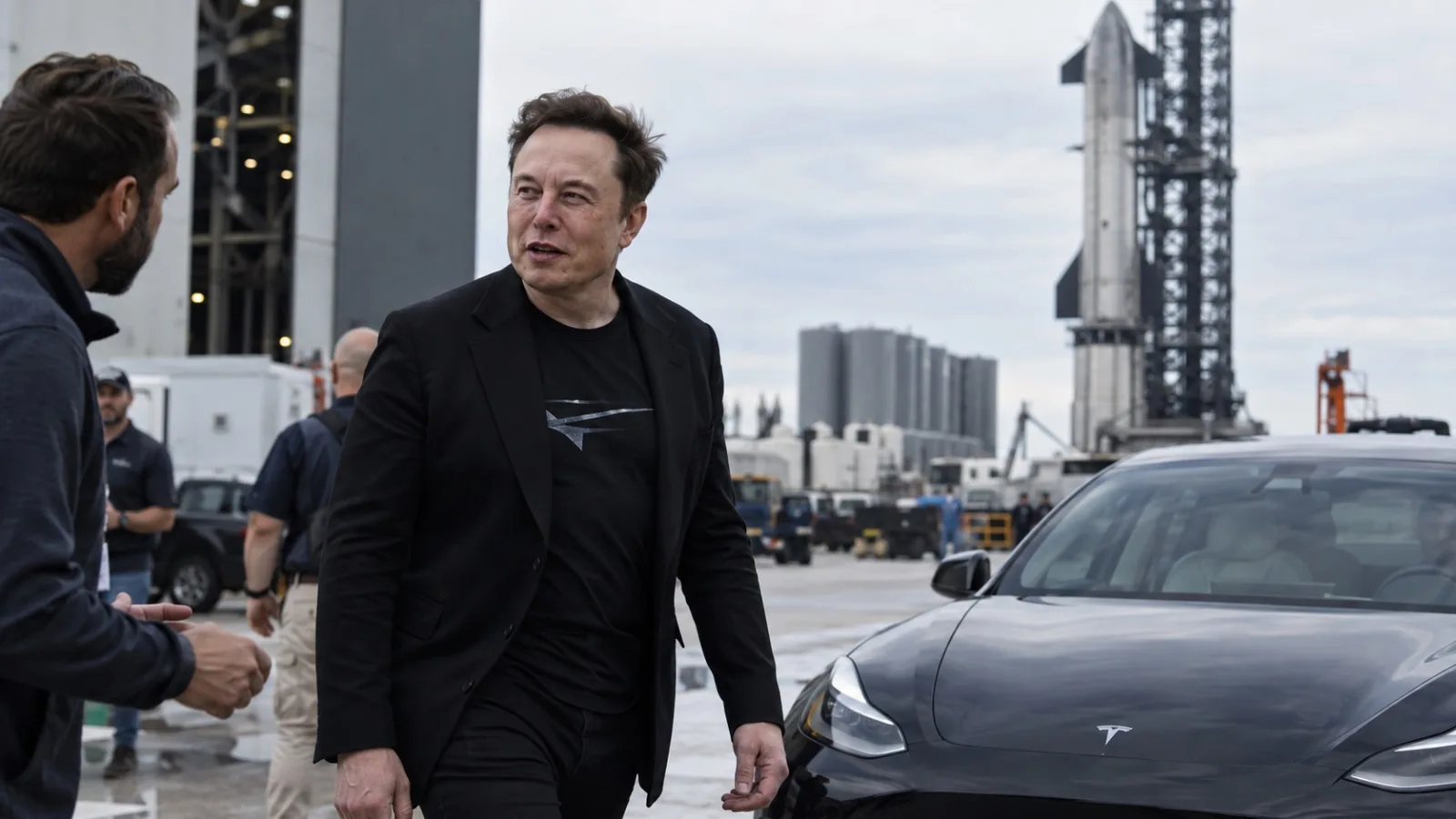
On SpaceX's third-quarter earnings call on Oct. 20, Elon Musk said a merger of Tesla and SpaceX is a good idea.
The two companies formed a special committee at shareholders' request. Musk said he is not taking part directly in the committee's negotiations because of his conflict of interest as a major shareholder and CEO of both companies.
Until now, a merger was closer to Musk's long-term vision and investor speculation. What differs now is that boards are examining the possibility of a deal.
A special committee is not an approval, however. The price, the structure and the share exchange ratio are all undecided. Musk himself cautioned against market expectations that a deal is certain.
- Confirmed: committee formed, with independent directors from both companies
- Undecided: merger price, including exchange terms
- Uncertain: whether the merger happens, since it is still pre-approval
Why would Musk want to combine the two?
Tesla and SpaceX started in different businesses. But as AI becomes a shared base technology, the boundary between them is blurring.
Tesla's strengths are mass production of vehicles and robots, batteries, power management and self-driving AI. SpaceX has satellite communications, space launch and large-scale AI computing infrastructure.
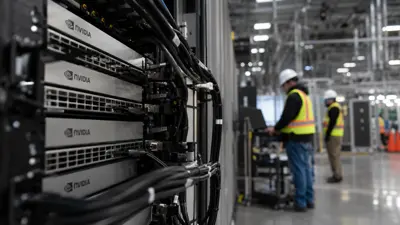
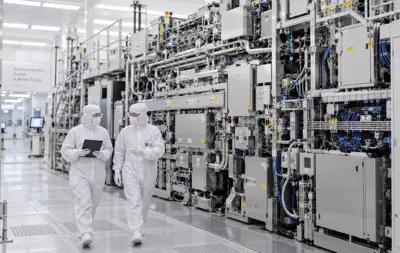
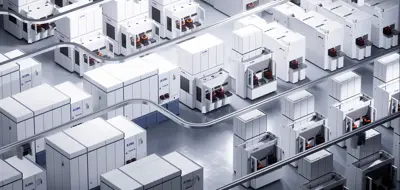
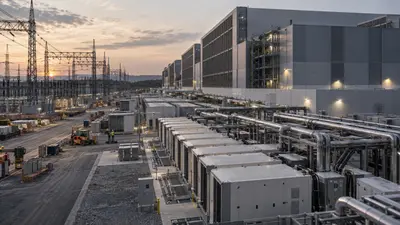
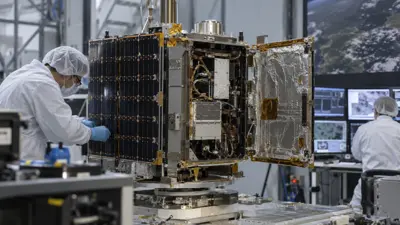
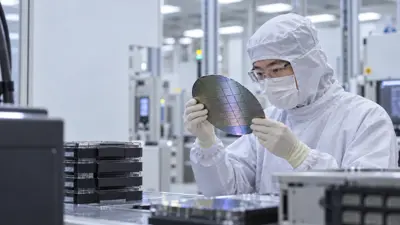
The best example of potential cooperation is Terafab, a joint semiconductor project. Sharing chip design and production, AI software and data center power infrastructure could cut duplicated investment. Over the long term, services linking satellite communications, vehicles and robots are also conceivable.
A decisive question remains: why does it have to be a merger?
Joint R&D, chip supply contracts and shared data center investment are possible even if the two companies stay separate. The economic case for a merger has to be proven not by simple synergy but by gains that can be realized only through combination.
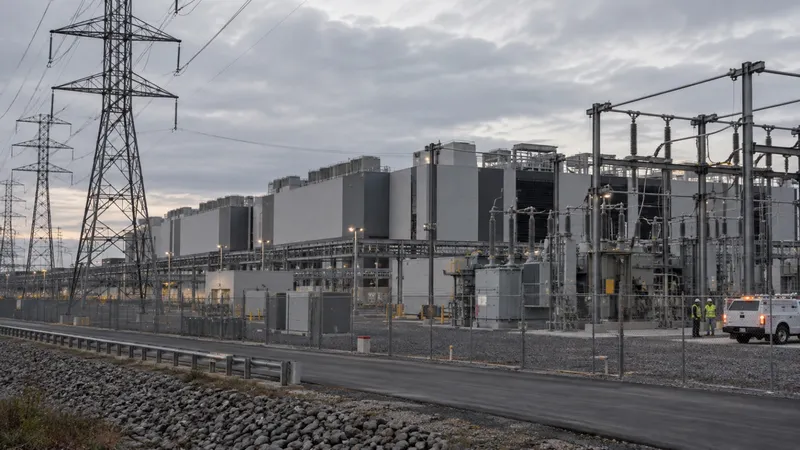
SpaceX is now both a space company and an AI infrastructure company
The key change in judging this discussion is SpaceX's business structure.
SpaceX's third-quarter 2026 revenue was about $14.58 billion, up 161% from a year earlier. AI-related revenue reached about $7.56 billion. But capital spending in the same quarter also came to about $19.6 billion, more than quarterly revenue.
- SpaceX Q3 2026 revenue: $14.58 billion, up 161% year over year
- Capital spending in the same quarter: $19.6 billion, larger than quarterly revenue
Two things follow. SpaceX's AI business is growing fast. And sustaining that growth requires enormous new capital.
Revenue growth and return on investment are different matters. As spending grows, utilization, depreciation and the profitability of customer contracts matter more.
If Tesla's capital were put into this AI infrastructure buildout after a merger, existing shareholders would gain new growth opportunities along with greater capital-intensive risk.
In a $3.5 trillion merger, price matters most
The roughly $3.5 trillion figure cited by Reuters is the sum of the two companies' market values at the time. It does not represent a deal price or a fair value for a combined company.
What investors should watch in a merger is not the size of the business but how much of their ownership is preserved.
Suppose Tesla is valued at $1.5 trillion and SpaceX at $2 trillion, and they merge in an all-stock exchange.
Hypothetical economic stake of existing shareholders after a merger
- Existing Tesla shareholders: 42.9%
- Existing SpaceX shareholders: 57.1%
The percentages are an example calculated from the assumed pre-merger values. They are not a forecast reflecting actual deal terms or voting structure.
If Tesla values SpaceX's growth too highly, existing TSLA holders' post-merger stake shrinks accordingly. If the companies combine at a fair price and also generate additional cash flow, the value of existing holders' stake could rise.
In the end, the core of a merger is less what size the company becomes than how much of the additional value created by the merger goes to whom.
The more sensitive issue is Musk's control
Musk holds significant stakes and management influence in both companies. In a deal like this, terms favorable to one company's shareholders can be unfavorable to the other's.
That is why a special committee assesses value independently and, where needed, seeks outside financial advice and a fairness review.
Musk said approval on the Tesla side would require votes in favor equal to 50% of all outstanding shares. That means a simple majority of shares voted would not be enough. The actual approval requirement depends on the final deal structure, applicable law and disclosures, which need to be checked.
Economic ownership of common shares should also be distinguished from voting power. If a merger were designed in a way that raises Musk's effective voting power, ordinary shareholders' governance risk would need to be assessed as well.
The bottom line
Two good companies combining does not necessarily make a better investment.
Whether Musk can build a single technology ecosystem is an important question. But for Tesla shareholders, the more important one is how much of that ecosystem's value they would own.
This is an analysis of information for investment decisions and is not a recommendation to buy or sell.
Insight Times Editorial Desk