The Midterms Oil Prices Are Paying For
Fuel costs pushed up by tension with Iran, the Fed's first rate hike in three years, and long-term rates at their highest since 2007 are all landing in the ballot box at once. The bigger question for markets is not who wins, but how much policy actually changes afterward.
Americans are not electing a president on November 3. This is a midterm election: the entire House, a third of the Senate, and a wide swath of governorships are up for grabs. But heading into the vote, the numbers markets are watching are not approval ratings. They are the price of gasoline and the yield on the 10-year Treasury note.
What Happens When Gas Prices Rise During Election Season
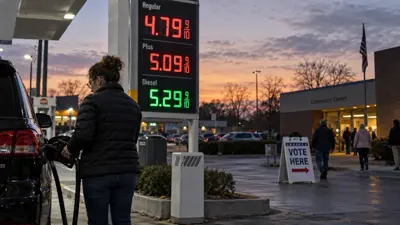
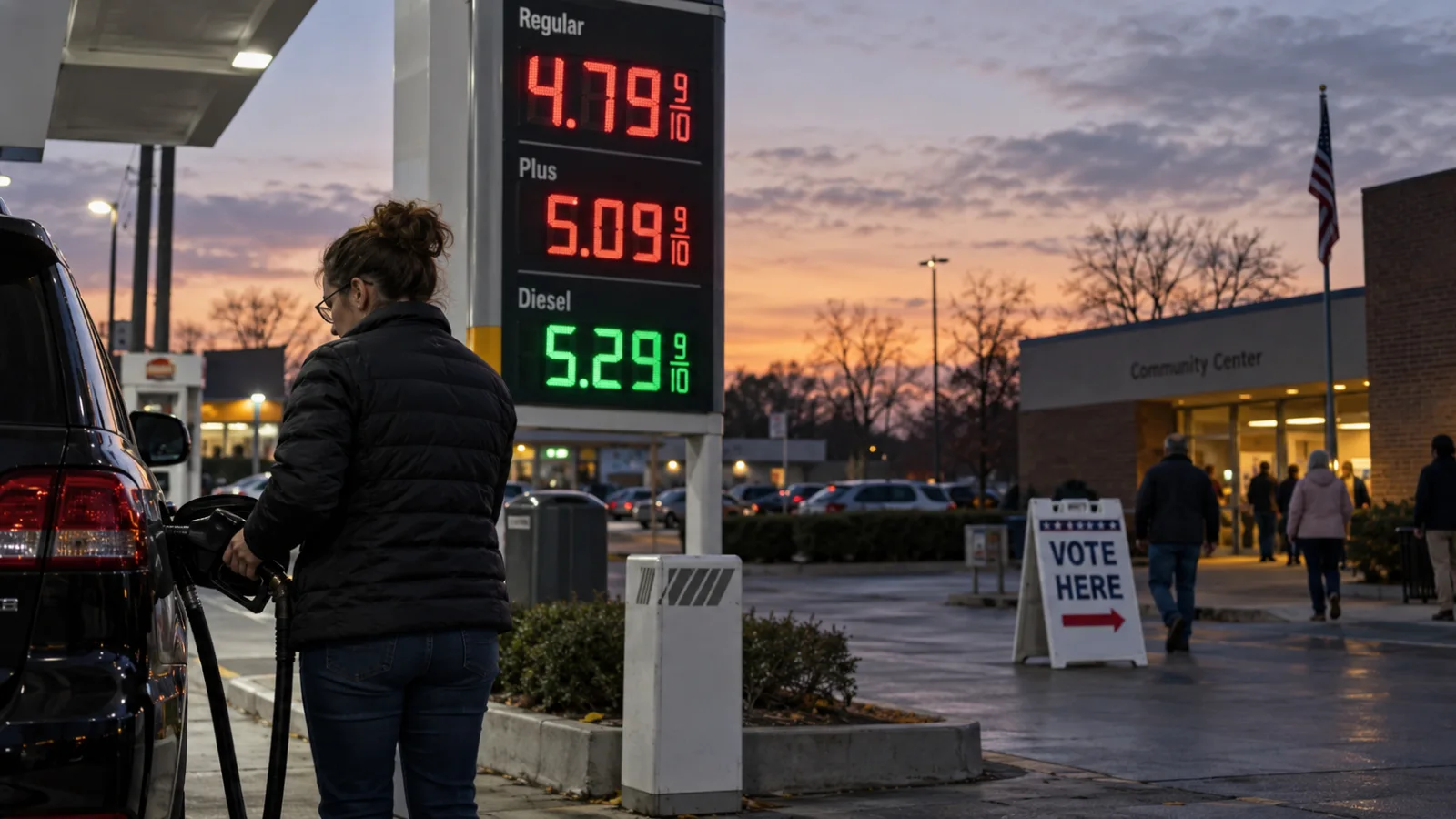
Gasoline is the most immediately felt economic indicator in American politics. Grocery prices and rents creep up slowly, but the number on the gas station sign changes daily and gets noticed daily. This fall, oil prices spiked amid geopolitical tension tied to Iran. The price per barrel climbed sharply from where it started the year, and that increase flowed straight through to pump prices nationwide.
Politically, that is bad news for the party in power. Voters grade the administration's economic record at the gas pump. With inflation pressure already present, a jump in fuel costs makes household budgets feel worse than the official inflation numbers suggest.
The Fed's Choice: A Rate Hike and Its Costs
Layered on top of that is the Federal Reserve's move. The Fed raised its benchmark rate for the first time in three years. The hike was aimed at inflation pressure, but the timing is awkward. Raising rates just before an election pushes up borrowing costs immediately, feeding through to mortgage rates and corporate borrowing costs alike.
At the same time, long-term rates, particularly the 10-year Treasury yield, have climbed to their highest level since 2007. Rising long-term rates act as a direct brake on housing and business investment. Higher mortgage rates cool demand for new home purchases, and higher costs to issue corporate bonds delay capital spending plans.
A More Useful Question Than "Who Wins"
Many investors want to bet on the election outcome directly, betting on which sectors rally if one party wins and which face tighter regulation if the other does. Reports predicting these scenarios are everywhere. But in a midterm election like this one, where control of the executive branch does not change hands, that approach tends to matter less than it seems.
A shift of a few seats in the House or Senate does not strip the president of veto power or executive authority. Legislative gridlock may deepen, but the broad direction of energy policy, monetary policy, and trade policy already in motion does not flip overnight just because votes were counted. Oil and interest rates, by contrast, get priced in markets every single day regardless of the election calendar, and that pricing flows directly into corporate earnings and household spending.
In other words, "how many seats does the governing party lose" matters less to markets than "how much does actual policy change after the election." And the honest answer, most of the time, is: less than people expect.
Why Three Variables Are Converging at Once
What makes this stretch especially tense for markets is that three pressures are hitting at the same time.
- Rising oil prices: geopolitical risk tied to Iran has stoked concerns over supply.
- A Fed rate hike: the first increase in three years, a tightening signal markets had not priced in for some time.
- A surge in long-term rates: the 10-year yield at its highest level since 2007, weighing on both housing and corporate investment sentiment at once.
These three are not independent of each other. Higher oil prices stoke inflation expectations, which adds pressure for the Fed to keep raising rates, and expectations of further hikes push long-term rates up further. One trigger reinforces the other two in a loop.
What Investors Should Watch: The Day After vs. The Quarter After
Markets may react briefly to the election result the day after votes are counted. Certain sectors could rally or sell off. But these moves are typically reversed within days. What matters more is the direction oil prices and long-term rates take over the following months.
If oil keeps climbing, inflation pressure persists, and the Fed is likely to keep the option of further hikes on the table. If long-term rates stay elevated, housing demand and corporate capital spending stay under pressure. If geopolitical tension eases and oil prices calm down, the Fed may have more room to slow its tightening pace, and long-term rates could ease along with it.
For investors watching this midterm election, what matters is not the exit polls. It is the oil price chart and the Treasury yield chart. Whoever wins the election, those two variables are the more likely drivers of where stocks go next.
Insight Times Editorial Desk