CPI Hits 3.7% and AI Stocks Take the Brunt: Nvidia Falls 3.16%, Dell 11.27%
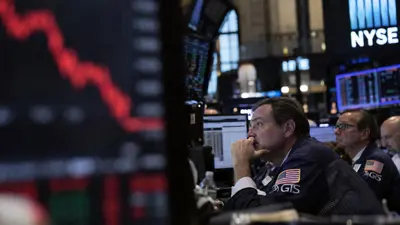
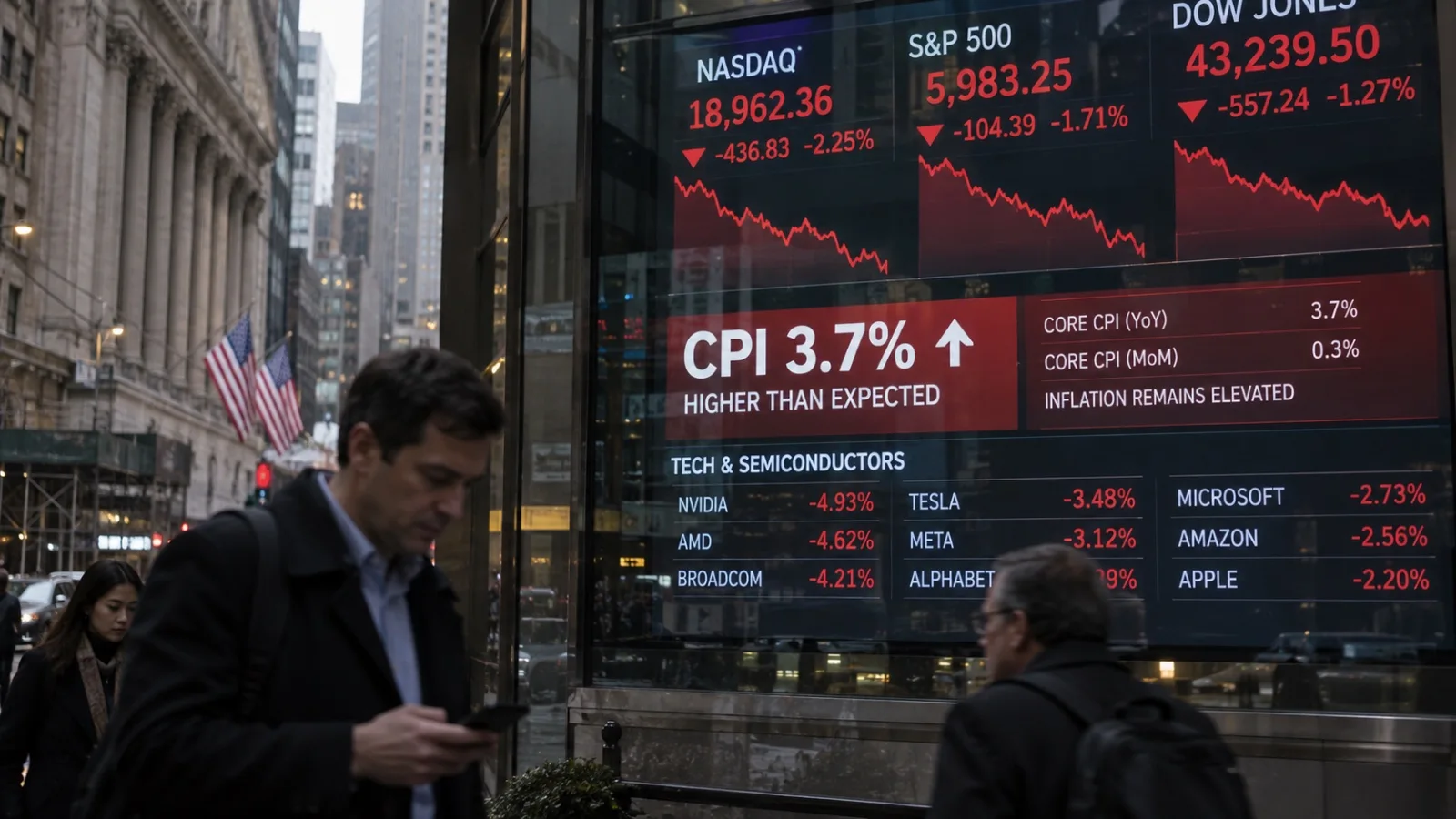
A hotter-than-expected September CPI sent the Nasdaq down 1.88% and the SOXX semiconductor ETF down 4.50%. Companies that borrow to invest or run thin margins fell furthest.
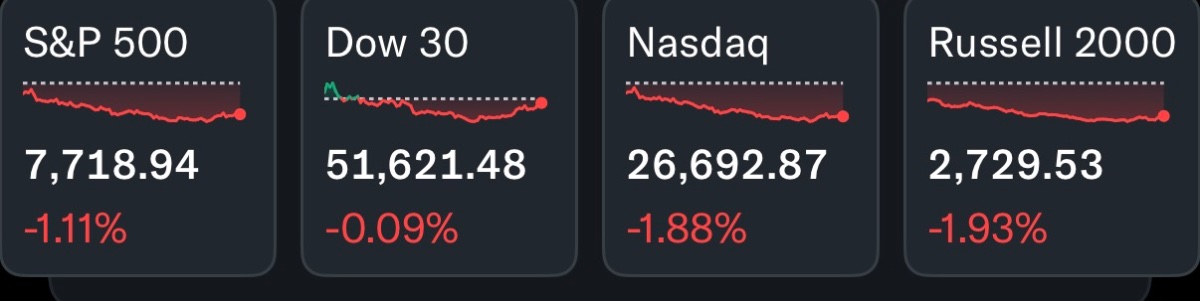
1. Tech and small caps fall together
| Index | Oct. 14 close | Change |
|---|---|---|
| S&P 500 | 7,718.94 | -1.11% |
| Nasdaq | 26,692.87 | -1.88% |
| Dow | 51,621.48 | -0.09% |
| Russell 2000 | 2,729.53 | -1.93% |
| SOXX | $519.42 | -4.50% |
The Dow held nearly flat. The Nasdaq and the small-cap Russell 2000 each fell about 2%. Tech weakness and weakness in rate-sensitive companies arrived at the same time.
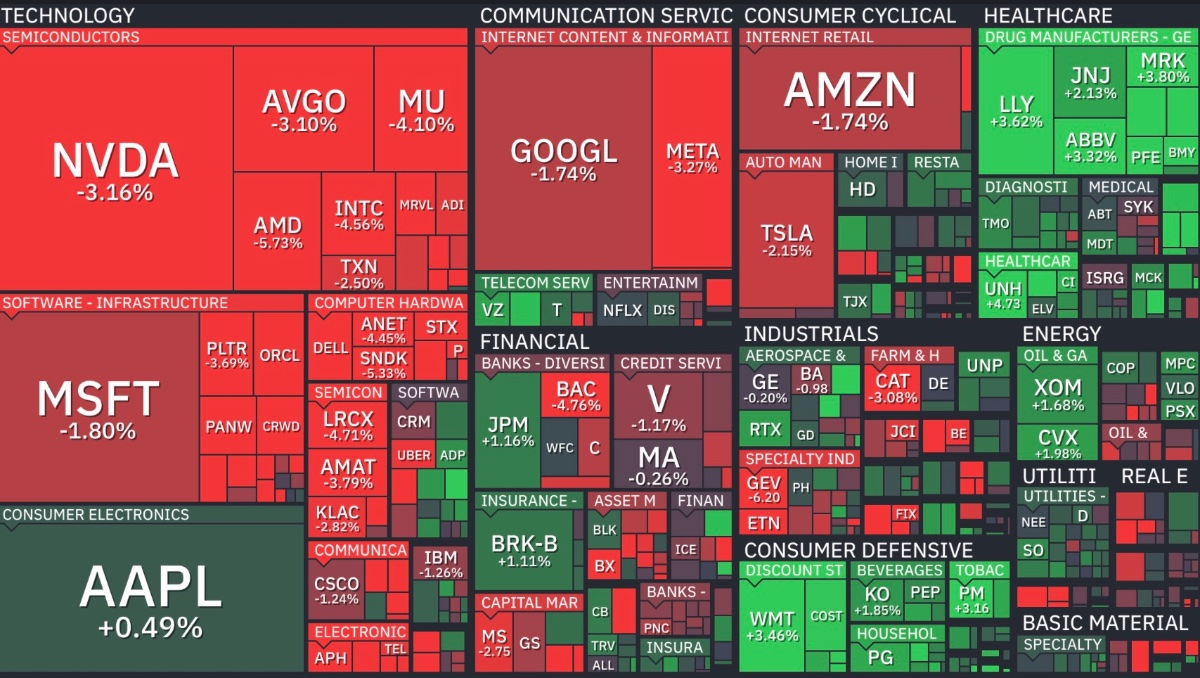
The health care ETF XLV rose 2.53% and the consumer staples ETF XLP rose 2.22%. That points less to indiscriminate selling than to a rotation out of tech and into defensive sectors.
The VIX rose 10.48% to 16.87. That is not extreme fear, but risk aversion clearly increased.
2. CPI at 3.7%, and the problem went beyond energy
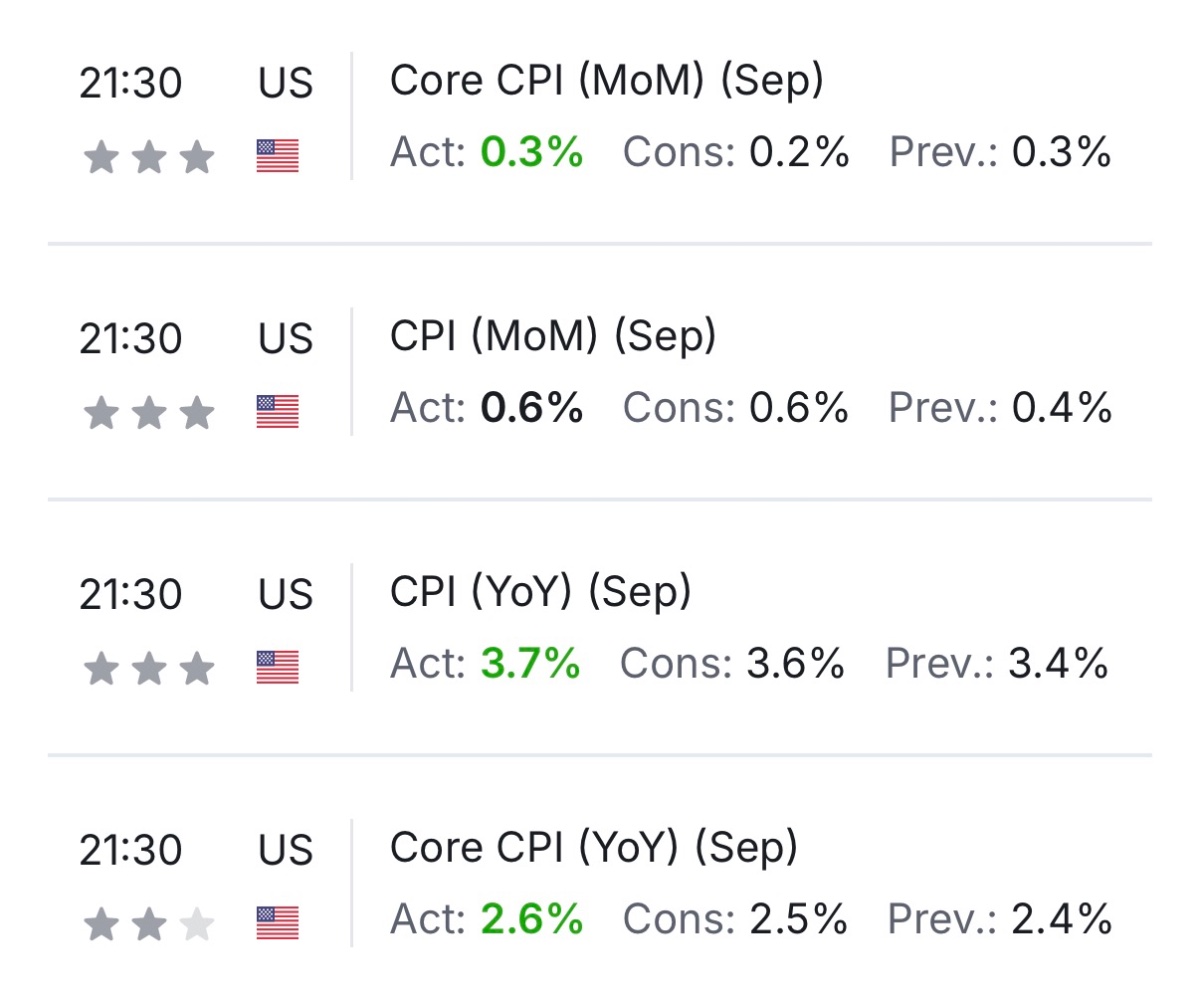
According to the Bureau of Labor Statistics, September CPI rose 3.7% from a year earlier, up 0.3 percentage point from 3.4% in August.
- September headline CPI, year over year: 3.7% (consensus 3.6%)
- September core CPI, year over year: 2.6% (consensus 2.5%)
Source: BLS and market consensus.
The 0.6% monthly rise in headline CPI matched expectations. Core CPI, which excludes energy and food, rose 0.3% on the month, above the 0.2% expected.
Gasoline rose 9.1% in a month and 34.2% from a year earlier. Energy pushed overall inflation higher, but core inflation also came in above forecasts, and that was the problem.
If inflation does not ease readily, the Federal Reserve could keep rates high for longer or consider further hikes. That is a negative for growth stocks, whose value rests on future earnings.
Still, the 10-year Treasury yield rose right after the release, then fell back to about 5.19%. A rise in long-term yields alone therefore does not explain the selloff. Inflation worries and doubts about the profitability of AI spending seem to have hit at once.
3. Dell down 11%, CoreWeave down 15%: where is the weakest link in AI?
The pattern of the selling shows in the individual declines.
| Stock | Change | What the market is checking |
|---|---|---|
| CoreWeave | -15.46% | Heavy borrowing and return on investment |
| Dell | -11.27% | Real profitability of server sales |
| Oracle | -8.83% | Data center spending and cash flow |
| AMD | -5.73% | Growth expectations and valuation |
| Nvidia | -3.16% | Durability of AI spending and demand |
Reuters reported that CoreWeave carries about $48 billion in debt, and its corporate bond yields jumped. Even when AI demand is strong, a company that borrows to build data centers is far more sensitive to financing costs.
Dell's drop comes with an important clue. Barclays downgraded Dell, HPE and NetApp. Its analysis says growth in server-related revenue is not explained by wider AI adoption alone. Higher memory prices passed through to selling prices also lifted revenue.
A more telling number is Dell's AI server operating margin of about 5%. Even when revenue grows sharply, whether enough profit remains is a separate question.
Investors need to tell three kinds of company apart:
- Nvidia: supplies the core chips for AI computing.
- Dell: designs and supplies AI servers, but is exposed to component costs and server margins.
- CoreWeave: commits large amounts of capital to run AI computing infrastructure and must recover it through rental income.
Being part of the AI ecosystem does not mean sharing the same earnings model or financial risk.
4. ASML falls despite strong results; Apple rises
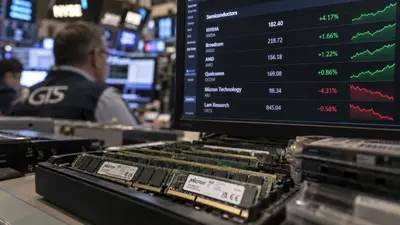
Weakness spread beyond Nvidia in semiconductors: Micron fell 4.08%, TSMC 3.40% and Broadcom 3.10%.
ASML fell 3.94% despite strong third-quarter results and a raised full-year outlook. Good results can still meet a falling stock when expectations are already priced in or when selling pressure across the sector is heavy.
Micron also faces worries about technical progress and expanding supply from Chinese memory makers. Short-term price declines and the long-term outlook for AI memory demand should be considered separately.
Apple, by contrast, rose 0.50%. Smart home product expectations have been mentioned, but pinning one day's gain on a single new product is difficult.
Tesla fell 2.15% to $367.16. It slipped below $370 and below its 20-day moving average of $371. Expectations around the Roadster reveal remain, but they do not remove its character as a growth stock sensitive to high rates.
5. Five things to watch
- TSMC earnings and guidance: whether demand for advanced process and packaging, and customer capital spending, remain strong.
- PPI and retail sales: whether producer price gains persist, and whether US consumers hold up despite high energy prices.
- AI server operating margins: whether revenue growth at Dell and others turns into real profit growth.
- Debt and free cash flow at AI infrastructure companies: whether there is enough cash to cover new investment and interest.
- Quality of any rebound: whether QQQ recovers $738 to $743, Nvidia $225 to $229 and SOXX $527 to $535. These are technical reference zones, not measures of company value.
Insight Times Editorial Desk