Weak Jobs Data Fuels a Rate-Relief Rally, but the 10-Year at 5.28% Is Still the Wall
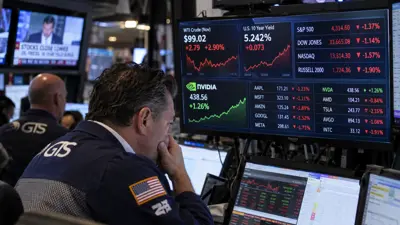
September payrolls came in at about a third of forecasts, and investors read it as less need for a Fed hike rather than recession. Chips and Tesla jumped, yet the 10-year yield finished higher at 5.28%.
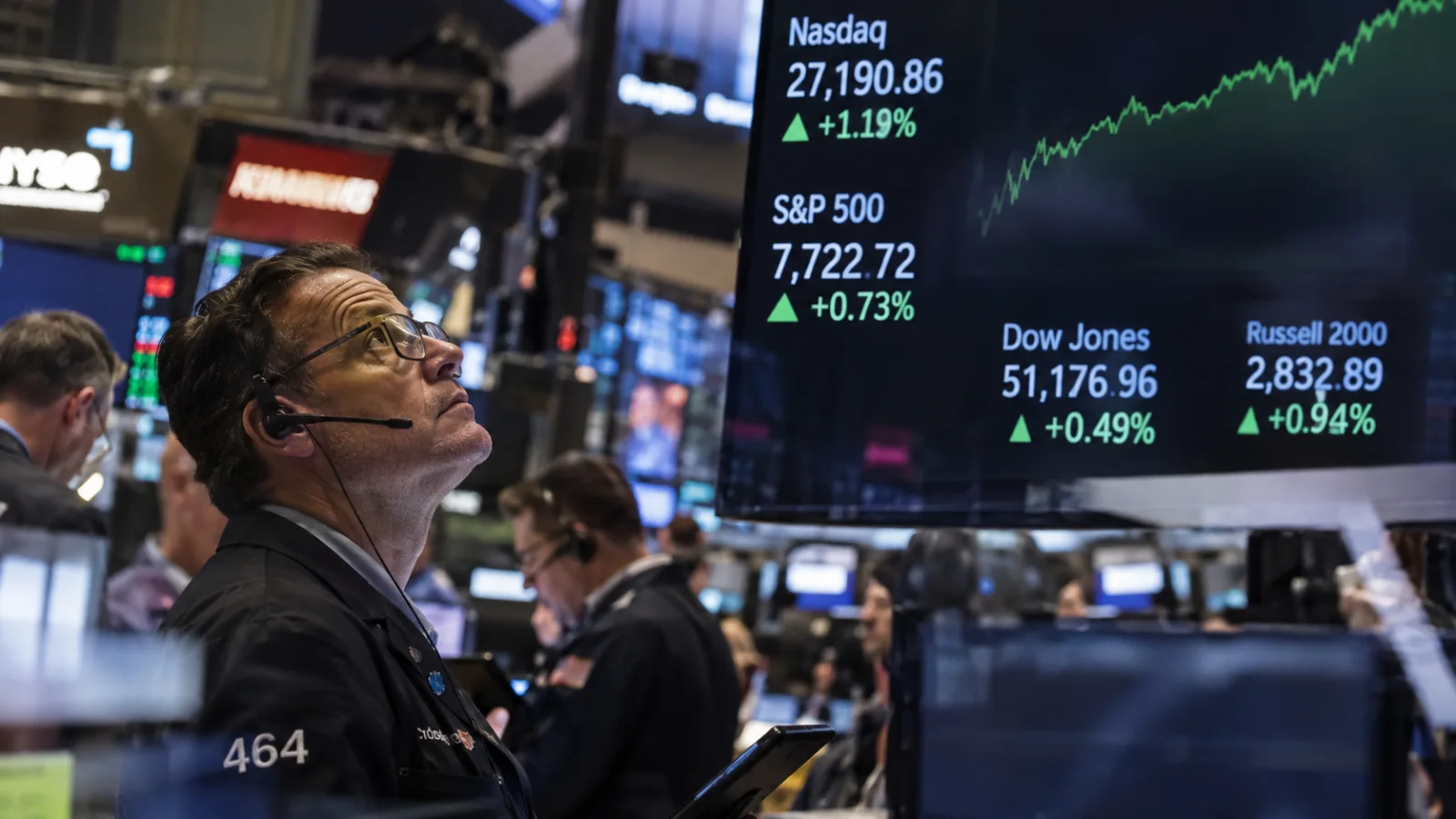
September jobs growth cooled to about a third of expectations, and the market read it less as a recession signal than as a sign that no more rate hikes are needed. Semiconductors and Tesla surged, but the 10-year Treasury yield climbed back to 5.28%. Whether this rebound lasts will likely be decided less by stocks than by the bond market.
Why weak jobs were not bad news
U.S. nonfarm payrolls rose just 29,000 in September, about a third of the roughly 90,000 economists expected. August's gain was revised down from 162,000 to 133,000. The unemployment rate rose from 4.1% to 4.2%. Average hourly earnings rose 0.1% on the month and 3.0% on the year.
The market's interpretation mattered more than the numbers. Until now, "strong economy means more hikes" has weighed on stocks. This time the opposite logic dominated: slower hiring means less need for another hike. According to Reuters, the probability of a 25 basis point hike at the October FOMC meeting fell to 22.7%.
It is still too early to say the labor market has broken. The participation rate rose from 61.6% to 61.8%, so higher labor supply also contributed to the rise in unemployment. The picture looks more like a low-hiring, low-firing phase, with new hiring dropping sharply, than one of mass layoffs.
Why chips outran the Nasdaq
Rate-sensitive semiconductors reacted fastest. SOXX rose 2.18%, well ahead of the Nasdaq's 1.19% gain. Nvidia gained 1.34% and hit an all-time high intraday. Broadcom, TSMC, AMD and equipment makers were also broadly strong.
This looks less like new information on AI demand and more like the market again paying up for future earnings as the discount rate may fall. Money has been rotating quickly among memory, equipment, accelerators and networking within the AI trade. Micron's 2.05% drop that day looks more like profit-taking after a recent surge than damage to the memory investment case.
Tesla up 4.65%, but the next numbers matter more than deliveries
Tesla rose 4.65% to $370.59. Third-quarter deliveries of 486,532 vehicles beat the Visible Alpha estimate of 456,896 by about 6.5%. Deliveries exceeded production of 464,391 by roughly 22,000 vehicles, which also helped reduce inventory.
The next question is not how many cars were sold. It is whether a sales recovery translates into better automotive gross margin and free cash flow. Tesla is putting large amounts of capital into AI infrastructure, Cybercab and Optimus. If incentives and price cuts erode margins even as volumes grow, the improvement in cash generation could be limited.
For the October 21 earnings report, automotive gross margin, profitability excluding regulatory credits, free cash flow and forward capex guidance therefore matter more than deliveries.
The rally's real weak spot is the bond market
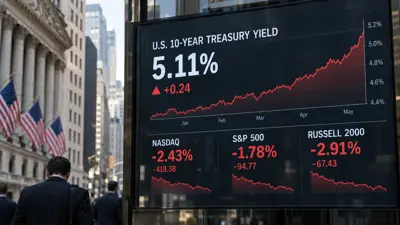
Stocks cheered, but bonds never fully agreed. The 10-year Treasury yield dropped as low as 5.17% right after the jobs release, then rose late in the session to close at 5.281%, higher than the prior day. Brent crude held near $102.8 a barrel.
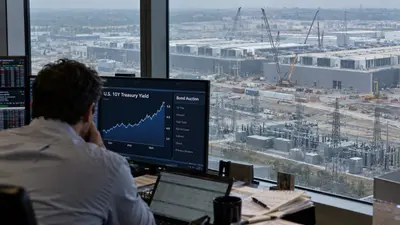
The combination matters. Weaker hiring can reduce the need for the Fed to raise short-term policy rates. But long-term yields move separately, driven by fiscal burdens, inflation, high oil prices and the heavy corporate bond issuance needed to fund AI infrastructure.
So the formula "a less hawkish Fed keeps growth stocks rising" is not enough. If long-term discount rates settle in the mid-to-high 5% range, that remains a continuing cost for richly valued AI and growth stocks.
Cash is moving, but this is not a tech-only rally
In the week through September 30, global equity funds took in $34.76 billion in net inflows, and U.S. equity funds drew $20.6 billion. Money market funds, by contrast, lost $116.52 billion, the largest net outflow since April.
Notably, tech sector funds saw $2.63 billion in outflows, while financials and utilities drew inflows. Risk appetite is recovering, but the data hint that the market could be broadening beyond a market that only buys large AI names.
AI remains the central axis. Based on consensus cited by Goldman Sachs, U.S. hyperscalers' 2026 capex is about $800 billion. The catch is that this spending boosts revenue at chip, power, cooling and networking companies while the large financing it requires could push long-term yields higher again.
Insight Times Editorial Desk