PCE Cooled, but the 10-Year Yield Climbed to 5.29%
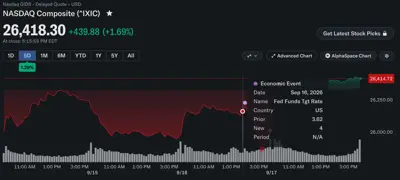
On Sept. 30, only the Nasdaq rose. Investors weighed strong growth and long-term yields more heavily than the softer inflation data.

Good inflation data, but stocks could not rally
The story on Wall Street on Sept. 30 was that the numbers pointed in opposite directions.
The August PCE price index rose 0.3% from July and 3.4% from a year earlier. Core PCE, which excludes food and energy, rose 0.2% on the month and 3.0% on the year. Both readings came in below market expectations. The odds of another 25 basis point hike at the October FOMC meeting fell sharply from where they stood before the release.
But consumption and growth data the same day were strong. August personal spending rose 0.9% from July, and inflation-adjusted spending rose 0.6%. Second-quarter real GDP growth was revised up to an annualized 2.2%. ADP private payrolls rose by 90,000 in September, above expectations.
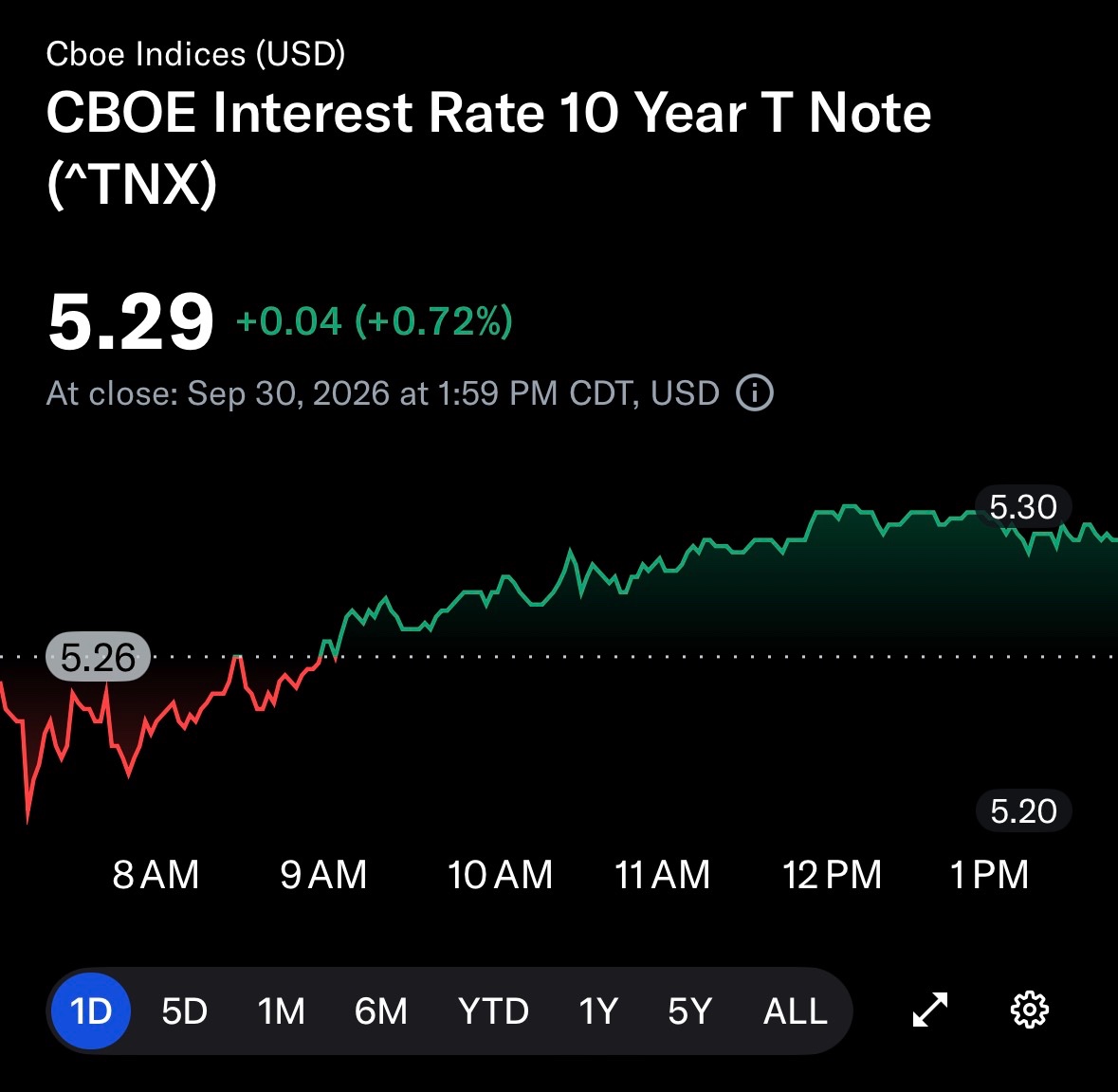
For stocks, that is an odd mix. The risk of further hikes in the short-term policy rate has eased. But if the economy is stronger than expected, investors can demand a higher yield to hold long-term Treasuries. The 10-year yield ended up near 5.29%. Relief that the Fed may be less hawkish collided, on the same day, with the reality that long-term yields still need to stay high.
Market breadth mattered more than the indexes
| Index | Close | Change | Signal |
|---|---|---|---|
| S&P 500 | 7,651.54 | -0.25% | Gave back all of its intraday gains |
| Nasdaq | 26,861.06 | +0.24% | Only gainer among the four major indexes |
| Dow | 50,906.05 | -0.86% | Weakness in rate-sensitive sectors |
| Russell 2000 | 2,796.86 | -0.39% | Reflects funding-cost pressure |
Reading the session only as a "Nasdaq gain" misses the real signal. With long-term yields high, money concentrated in the largest tech stocks, which have deep liquidity and a strong AI growth story. Areas directly exposed to rates and the economy, such as small caps, high-dividend stocks and financials, were weak.
This was not a market rising because risk had gone away. It was a market where money flowed to the places best able to hold up because risk remained.
One caution on the PCE numbers
It would also be a mistake to read the PCE slowdown as inflation suddenly cooling sharply. In its annual revision, the Bureau of Economic Analysis changed how it measures prices for software and accessories, portfolio management fees, legal services and other items, and it revised data back to 2021.
The change lowered July's year-over-year core PCE rate from 3.3% to 3.0%. August's 3.0% core reading was clearly below expectations. But part of the softness reflects the change in statistical method, not an actual one-month drop in prices. So this is not data that would let the Fed declare the inflation problem over.
Micron proved AI demand. Why was the stock quiet?
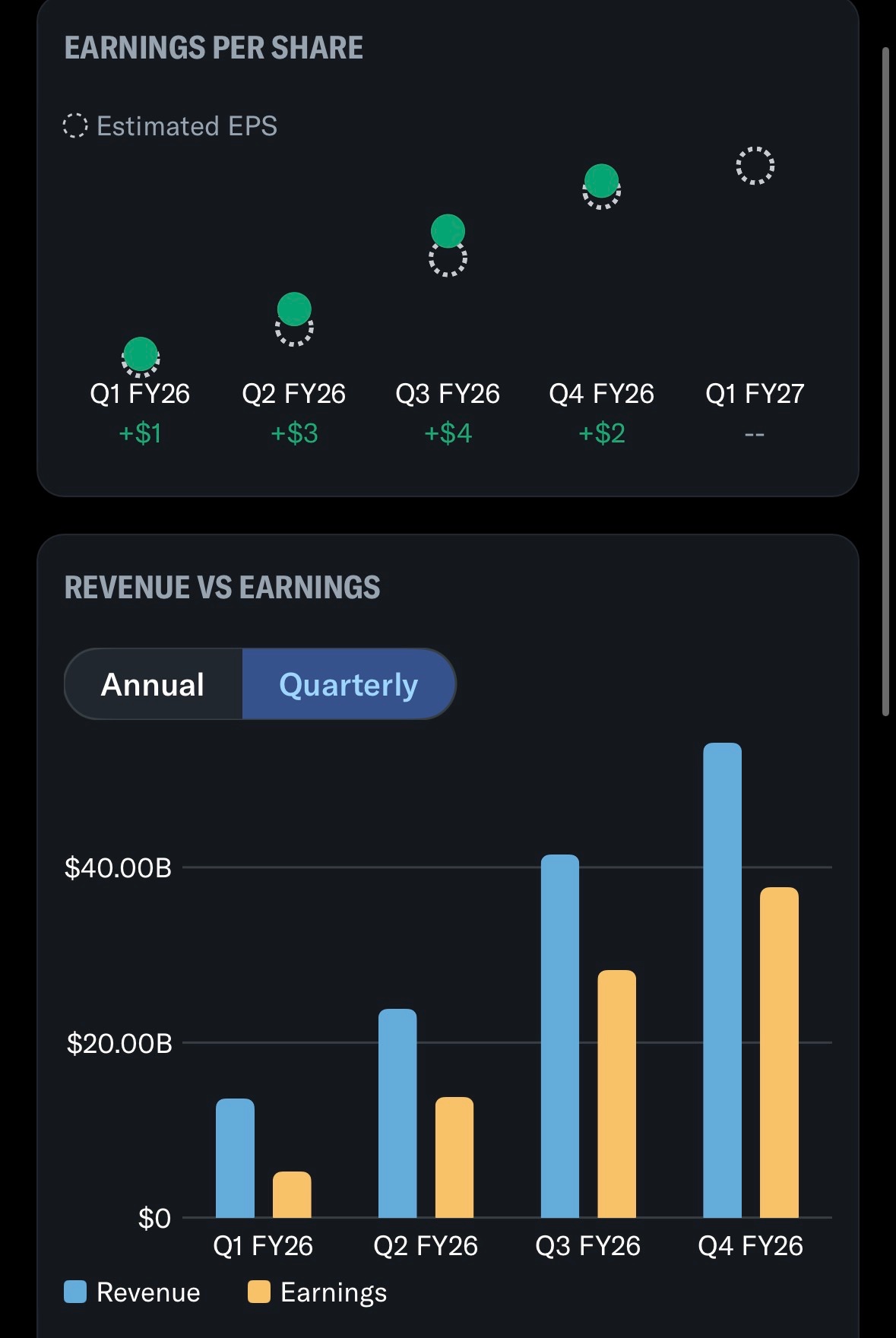
After the close, Micron reported strong numbers showing that the AI infrastructure investment cycle is turning into actual revenue.
- Fiscal Q4 2026 revenue: $54.23B, more than four times a year earlier
- Adjusted EPS: $33.42, above expectations
- Fiscal Q1 2027 revenue guidance: $61.5B at the midpoint, plus or minus $1.5B
The quality of demand matters more. Micron said customers' financial commitments under long-term supply agreements rose from $22 billion in June to $32 billion. Most of that is in the form of cash deposits. The company said it has secured contracts for most of its fiscal 2027 HBM output, and it expects memory supply and demand in 2027 and 2028 to be tighter than in 2026.
Even so, the shares moved less than 1% in after-hours trading. That is not because results were weak. Micron stock has already more than tripled in 2026. The market is now asking less about the quality of the results than about how much better they can get relative to the current price.
Insight Times Editorial Desk