AI May Be an Inflationary Industry Before It Is a Deflationary Technology
The IMF has started to treat the AI investment boom as a macro demand shock. Productivity gains come later, but data centers, power, chips, construction labor and capital are needed now.
AI runs on two clocks
The IMF's view matters because it treats AI as more than a tech-stock theme. It now sees AI as a macro variable that can move prices and interest rates.
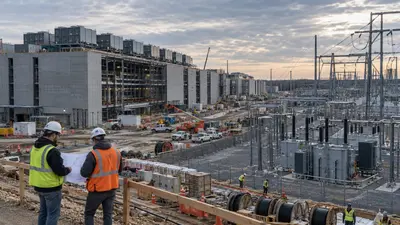
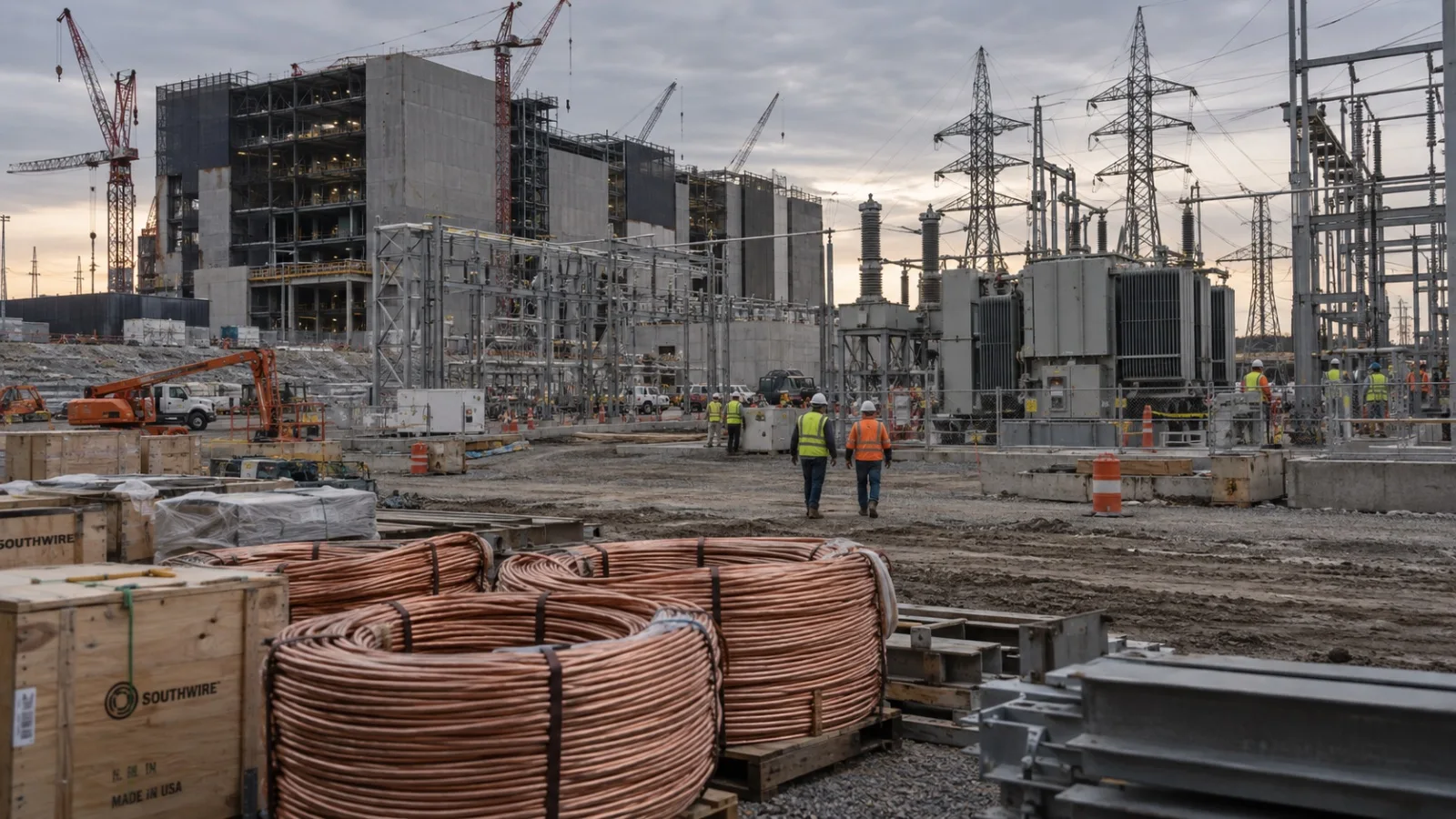
In the near term, AI is less a technology that expands supply than an industry that first absorbs money and resources. Companies must build data centers, expand power plants and transmission grids, secure GPUs and memory, and commit land and construction labor. They spend cash or issue corporate bonds, and they raise capital in financial markets.
AI today: a demand shock
- Massive capital expenditure
- Rising demand for power and raw materials
- Supply bottlenecks in GPUs, HBM memory and transformers
- Growing demand for construction and specialized labor
- More corporate bond issuance and demand for capital
AI in the future: a productivity shock
- Higher labor productivity
- Lower software prices
- Automation of office work
- Faster R&D and drug discovery
- Possible improvement in corporate operating leverage
Why a productivity revolution can lift rates
The key is timing. The IMF sees AI as a "positive demand shock" in the short run and a "positive supply shock" in the long run. The two shocks do not arrive at the same time or at the same size.
Productivity gains show up only after AI spreads through business processes and across industries. Data center construction costs, power equipment, chip purchases and financing costs arrive now. If investment demand grows before supply capacity does, upward pressure can build on prices, wages, electricity costs and the cost of capital.
The chain: AI investment grows, capex rises, demand for power, raw materials and labor increases, credit demand expands, and long-term rates face upward pressure.
What the bond market is signaling
This frame helps explain the recent rise in long-term US yields. According to the IMF, 10-year government bond yields in the US, Germany and Japan are at their highest since 2007, 2009 and 1996, respectively. The IMF points to high energy prices and fiscal deficits, and it also counts the AI infrastructure buildout as one source of inflation pressure.
The point is that "if AI succeeds, rates eventually fall" is not an automatic formula. Even if productivity rises, higher income expectations among households and companies could speed up spending and investment, which could lift the neutral rate itself. The long-run price effect depends on whether productivity or demand moves faster and by more.
- +0.5 percentage points: The extra annual global growth the IMF sees possible if AI spreads well.
- 3.0%: The IMF's earlier forecast for 2026 global growth.
- Above 100%: The level of global public debt to GDP the IMF expects to exceed before 2030.
Investors need to ask a different question
So far the market has judged AI companies first on how fast they grow: revenue growth, user growth, GPU shipments and data center capacity. It now needs to weigh, with equal emphasis, how much capital they burn to produce that growth.
If AI investment could exceed the share of GDP that railroads, power grids and telecom infrastructure booms reached, revenue growth alone is not enough. The investment has to earn a return above the cost of capital. The first question is revenue. The second is ROIC.
If revenue grows fast but capex, depreciation and interest expense grow faster, shareholder value may be created more slowly than it appears. Conversely, companies that carry heavy investment costs while still lifting free cash flow and ROIC can justify high valuations for longer.
Insight Times Editorial Desk