Interest Rates
9 articles on this topic, newest first.
Oct 2026 1 story
The U.S. Stock Market Selloff: What Investors Should Protect—and What They Should Change
The latest U.S. stock market decline is better understood as a simultaneous reassessment of inflation, interest rates, and the profitability and financing assumptions behind AI investment—not simply as panic selling.
Sep 2026 8 stories

The Maturity Wall: Why 2027 Is When Cheap Corporate Debt Comes Due
Trillions in pandemic-era bonds refinance into a higher-rate world starting in 2027, and the AI buildout is riding the same wave of debt.

Weekly Check: The AI Bull Market Isn't Over, It's Just Gotten Harder
A 5% 10-year yield, 470 gigawatts stacked up in Texas, Chinese DRAM, and whether data centers actually get switched on are starting to decide who wins the AI trade through 2027.

The AI Rally Meets a 5% Wall. Micron and Jobs Data Will Decide
The first week of October tests whether AI earnings growth can outrun long-term rates stuck near 5 percent. Wednesday's PCE report and Micron earnings, and Friday's jobs report and Tesla delivery numbers, could point in different directions.

Gas Prices, Not Politics, Are Deciding This Midterm Market Story
Forecasts of a Republican defeat are not exaggerated. The House has tilted clearly toward Democrats, the Senate has moved from a toss-up to a slight Democratic edge, and Trump's net approval is the lowest of either term.

Who Buys the T-Bill Behind Your $1 Stablecoin
Stablecoins aren't a crypto asset class so much as new plumbing for moving dollars online, and every new dollar that flows in gets tied to short-term Treasuries.
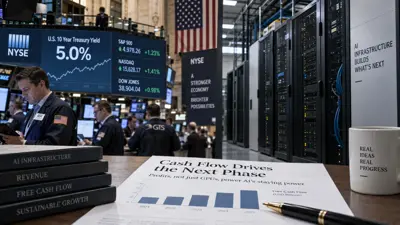
Rates Hit 5% Again, But AI Held - Now Wall Street Wants Cash Flow, Not Just GPUs
The Fed raised rates and the 10-year yield broke back above 5%, yet the Nasdaq did not crack. This week's real story is not the end of the AI rally but a change in what the market is grading.

A 2027 Playbook: Stop Watching the Business Cycle, Start Watching Where the Money Flows
A new Korean economics book, "The Reverse Flow of Money," argues that interest rates still act like gravity on every asset, but AI and chips are pulling in capital strong enough to defy it. For investors, the question is not the average growth rate but where that money goes, and where it eventually turns into cash flow.

Higher Rates Don't Break Big Tech's Business. They Reprice Its Future.
Microsoft, Alphabet, Apple and Nvidia are sitting on more cash than debt. What rates actually change is the discount rate applied to cash flows a decade out, and whether a cut is a soft landing or a recession signal.
Nothing featured in this section yet.
Not more news. Ideas that stay with you.
Instead of the daily flood of headlines, we send the knowledge and perspective you need to think long-term about U.S. stocks and AI investing, in one email each morning.
We only ask for your email. Every issue has a one-tap unsubscribe link.