AI's Next Bottleneck Is Power, Not GPUs
Jensen Huang and Elon Musk sent the same warning in Washington. The AI race is widening from building better models to supplying power and chips at industrial scale.
"The first thing you need is energy"
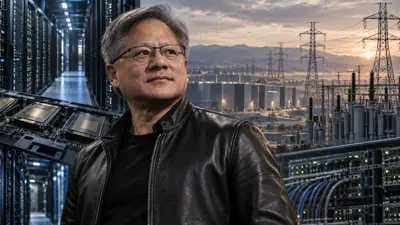
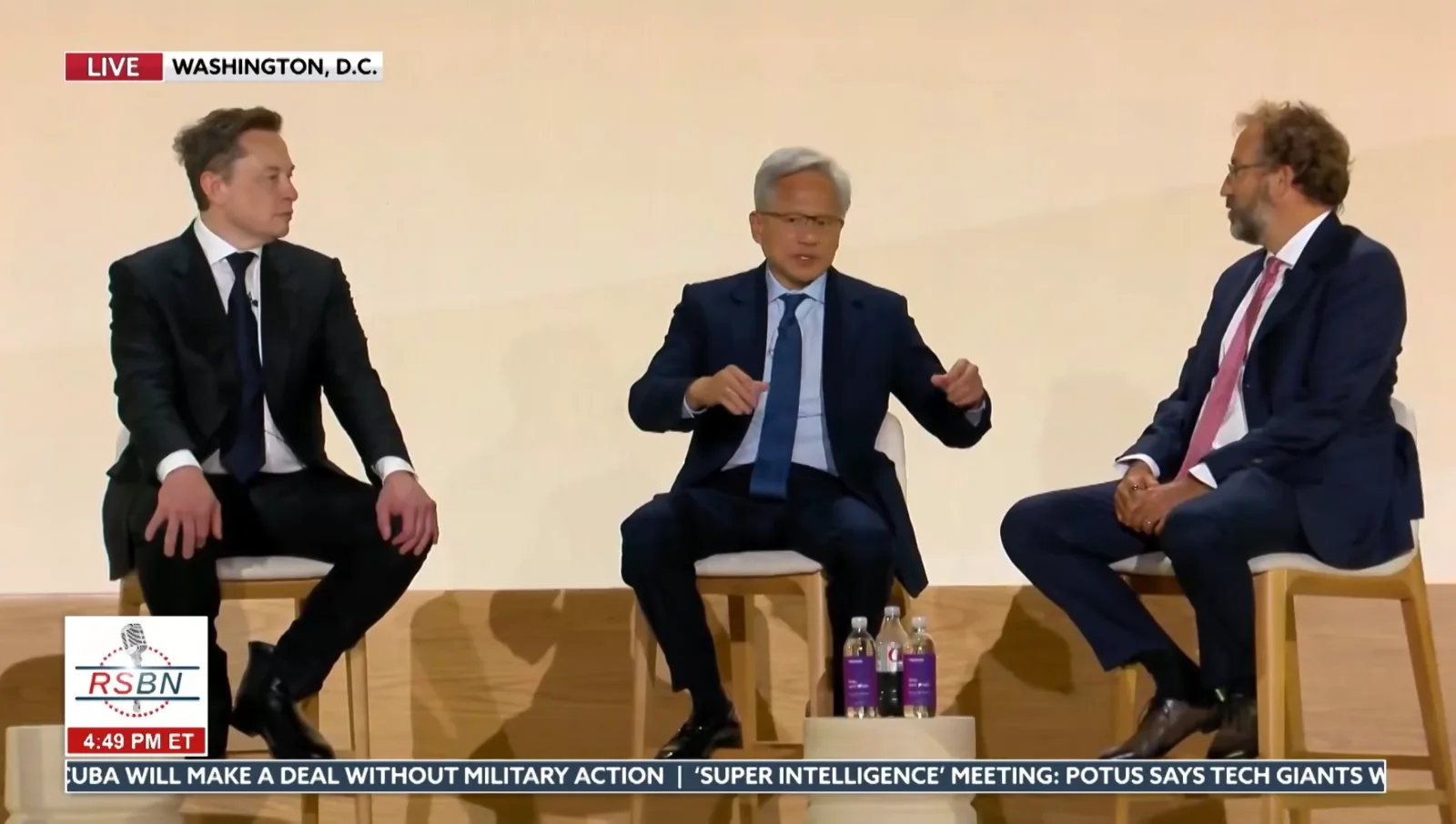
At an America.gov event in Washington on Sept. 29, Nvidia CEO Jensen Huang said the starting point of the superintelligence era is power, not GPUs. Even if the whole computing stack changes, he argued, energy sits at the bottom layer that runs the calculations.
Musk pointed to the same place. Even if the US leads in software and AI research, he argued, it must also build up power generation and logic and memory chip manufacturing to compete with China over the long run. What the two share is clear: the limits on AI do not sit only inside the algorithms.
10 to 20GW is not just a data center number
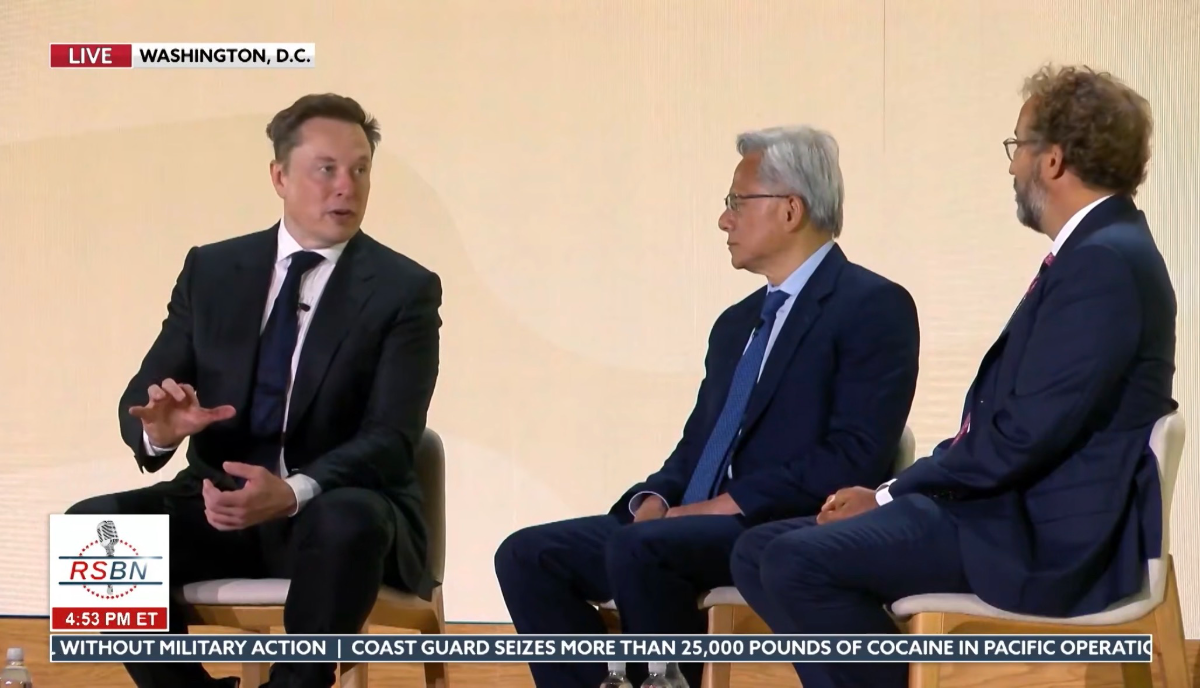
Huang estimated that the US is building roughly 10 to 20GW of AI infrastructure a year, and said the process could create about 1 million jobs. The figure is Huang's own estimate from the event, not an official company hiring forecast. It still matters to investors because it shows where AI capex money is flowing.
- 10 to 20GW: Huang's estimate of annual US AI infrastructure buildout
- About 1 million: estimated job impact, spanning power generation, data centers, cooling, plumbing and construction
- 50 years: the timeline Huang described for US reindustrialization
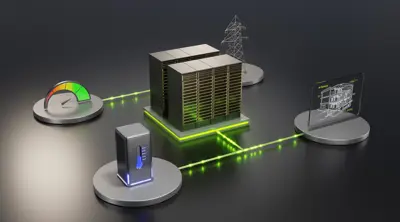
A GPU order is only the start. Without power plants, substations, transmission lines, transformers, gas turbines, liquid cooling, optical networking and construction labor secured alongside it, AI servers become powered-off equipment rather than revenue-producing assets. That is why the AI beneficiary list is widening from semiconductors to utilities and industrials.
Don't take the numbers at face value
- "China's power is 3 times the US." Musk said this. But IEA data for 2024 electricity demand show China at 9,935 TWh and the US at 4,336 TWh, about 2.3 times. China's physical power advantage is clear, but "3 times" is hard to treat as a precise current figure. (Fact check)
- "10GW is 25% of new power." The event moderator said this, not Huang. Investment coverage should keep speakers separate. (Attribution)
- "5GW creates 1% of GDP." This is a hypothetical calculation from Musk. There is no empirical law tying added power to GDP growth one for one. Usage, utilization rates, AI productivity and capital costs all change the result. (Forecast, not fact)
The bottleneck moves from GPUs to grid connection
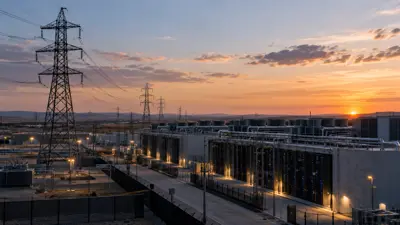
In the last AI investment cycle, the key bottlenecks were GPUs, HBM and advanced packaging. Now, beyond data center sites and cooling, grid connection itself is becoming the variable that sets the pace of investment. If a customer orders hundreds of thousands of accelerators but the grid hookup is late, revenue recognition and actual AI service delivery are late too.
The shift cuts both ways for Nvidia. If power and infrastructure spending follows, the AI factory market gets bigger. But even with ample GPU demand, delays in power, permitting, transformers or gas turbine deliveries could leave installations unable to keep pace with orders. The risk to watch may be less AI demand than usable power capping the upper end of growth.

Orbital compute is still an option, not earnings
Musk said that over the long term SpaceX and Tesla could aim for 200GW a year of solar production, and that "orbital compute," running AI computing in space, could become a large industry. But this is not a business plan from which current cash flow can be estimated.
Launch costs, heat dissipation, radiation, maintenance, communications, satellite lifespan and orbital congestion all have to be solved. Space data centers are therefore better seen as a long-term option that only has value if Starship reusability and falling launch costs become reality, not as a near-term revenue forecast.
Insight Times Editorial Desk