Robotics
Everything that makes machines do physical work. Repeating a fixed motion on a factory arm and judging an unfamiliar situation are not the same problem.
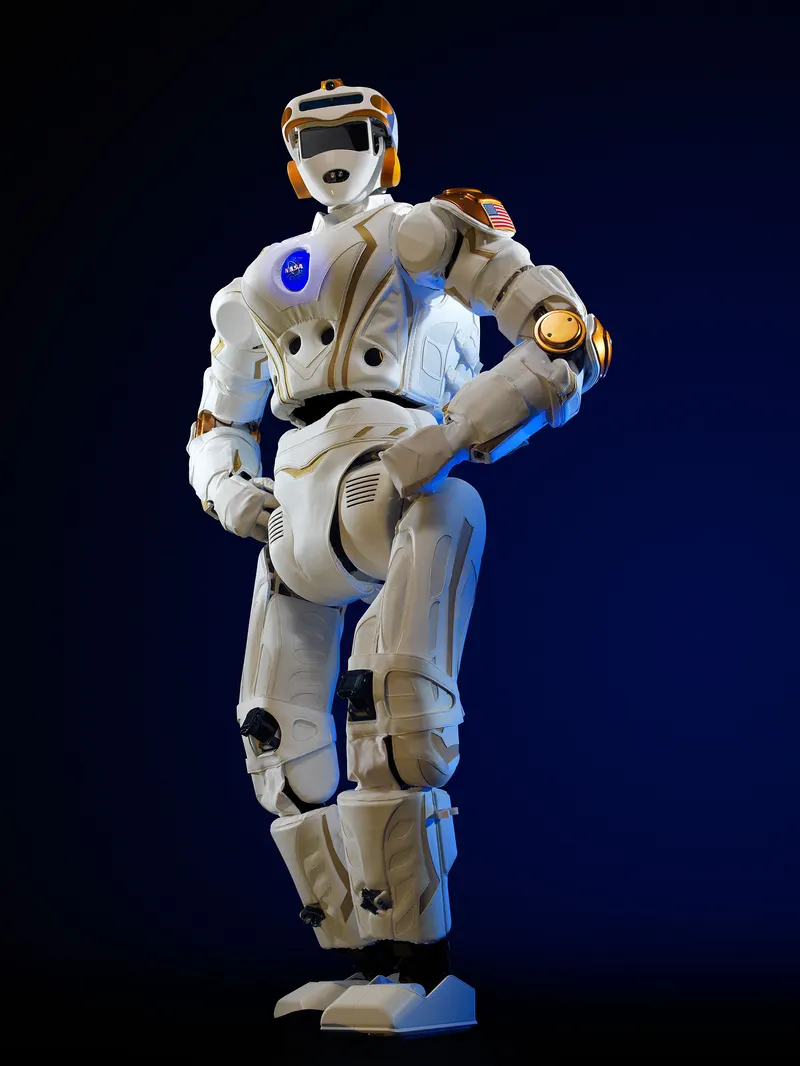
After AI Gets Hands and Feet, the Bigger Shift Is in Classrooms, Not Factories
Physical AI is not a robotics buzzword. As AI moves off the screen and starts manipulating real objects, it is reshaping how factories compete, where the line between human and machine work sits, and the oldest question in education: what should we teach.
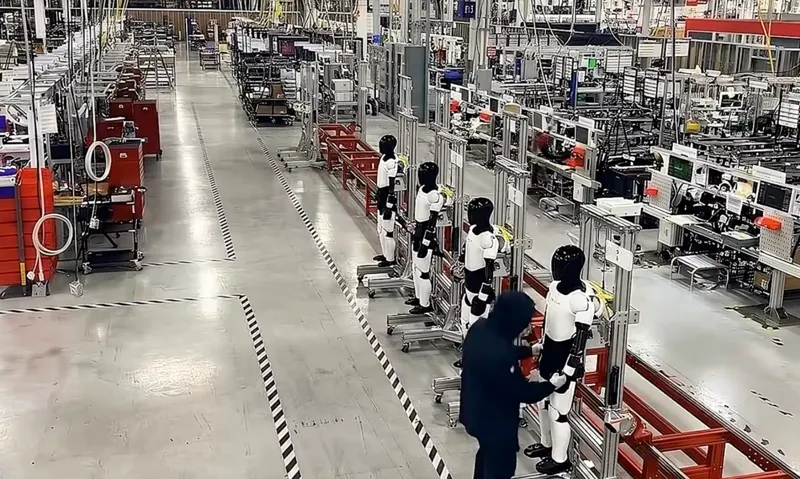
Humanoid Robots Sold Just 7,000 Units Worldwide Last Year
Tesla Optimus, Unitree and Figure demo videos make the humanoid era look like it has already arrived. Real 2025 sales tell a smaller, stranger story.
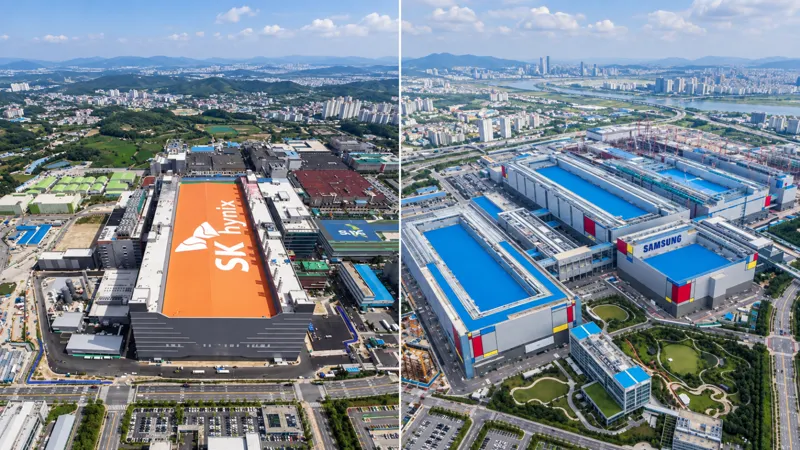
A 2027 Playbook: Stop Watching the Business Cycle, Start Watching Where the Money Flows
A new Korean economics book, "The Reverse Flow of Money," argues that interest rates still act like gravity on every asset, but AI and chips are pulling in capital strong enough to defy it. For investors, the question is not the average growth rate but where that money goes, and where it eventually turns into cash flow.
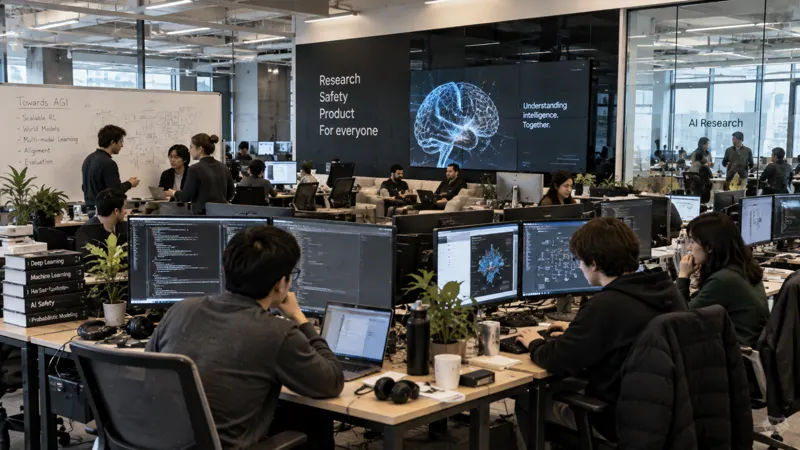
AI Is Starting to Grow Hands
Claude no longer just reads papers and writes code. Anthropic has built a real wet lab where AI directs robots to run experiments, a shift that could reshape not just drug discovery but the production function of science itself.
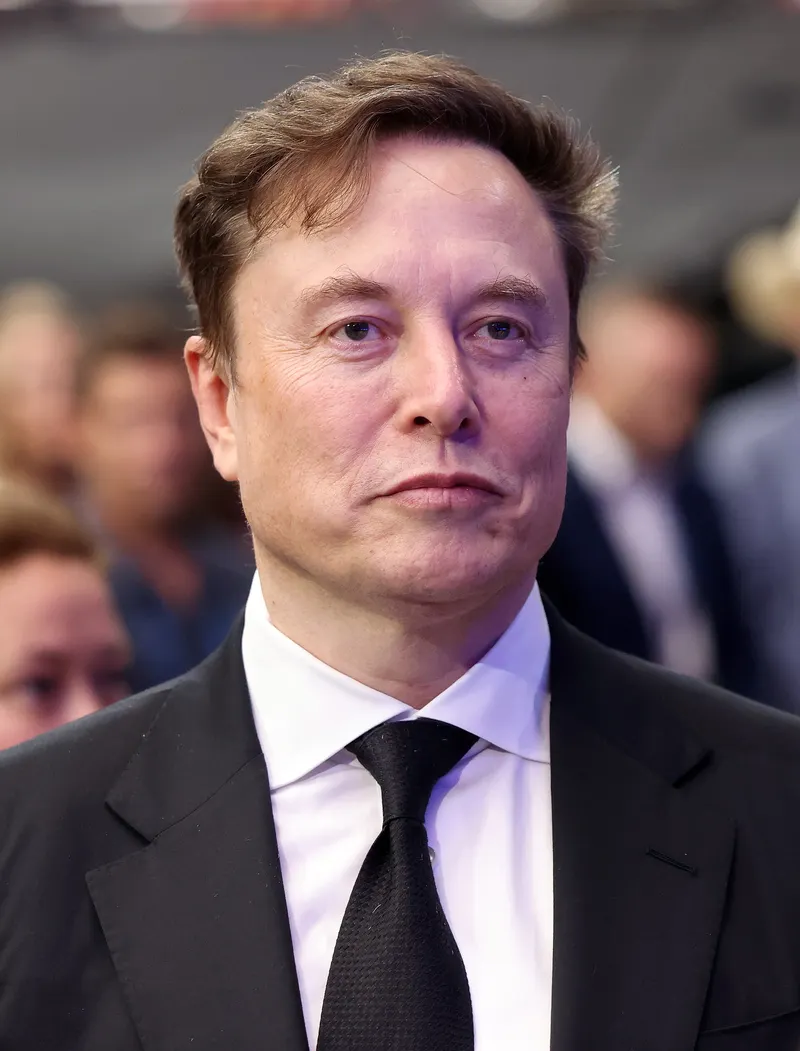
Why Elon Musk's 4% Growth Call Deserves a Serious Read
Musk says AI could double US GDP growth next year, from 2% to 4%. The number itself matters less than the idea behind it: intelligence turning from scarce labor into replicable capital. If that premise holds, the rules of economics and markets shift too.
Robots Just Started Working in Homes They've Never Seen Before
Figure's new Helix 2.5 model made beds and folded towels in 30 unfamiliar homes. What matters isn't the robot's dexterity, but how well pretraining on human behavior data transfers to new places.
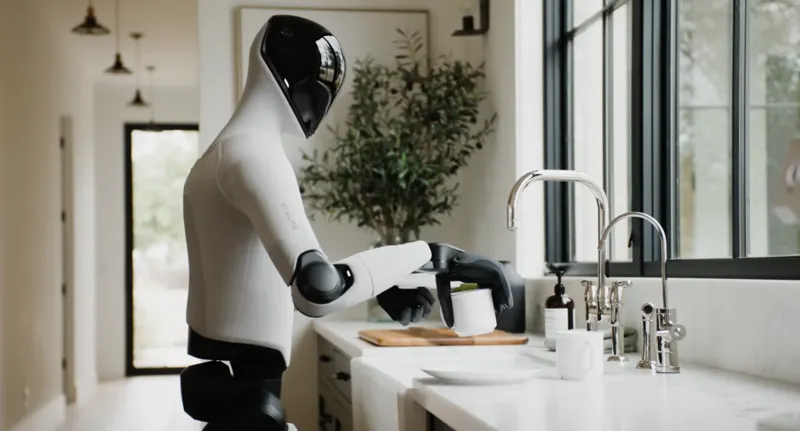
A Robot Just Cleaned Houses It Had Never Seen Before
Figure's new Helix 2.5 model made beds and folded towels in 30 unfamiliar homes. What matters more than the robot's hands is how well pretraining on human behavior data transfers to new places.
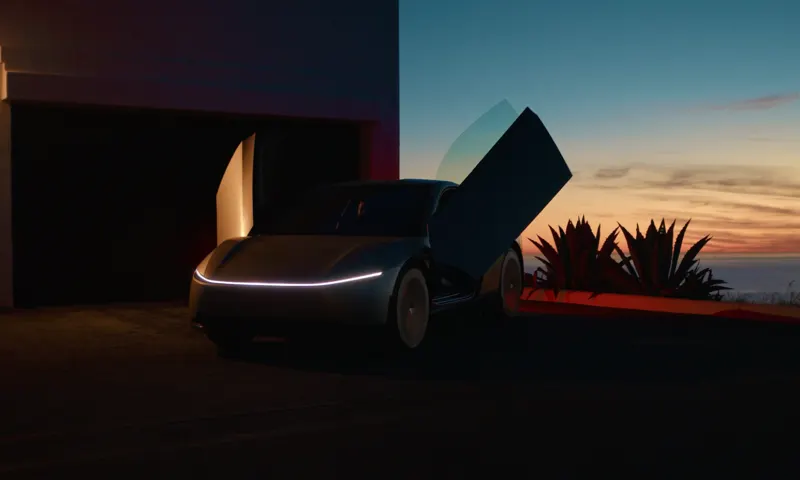
Tesla's biggest asset is not the car: when Robotaxi and Optimus stop being options
Tesla's AI value sits in autonomy and humanoids, and both could dwarf car manufacturing. The gap is between a demo and a fleet that earns cash per vehicle.
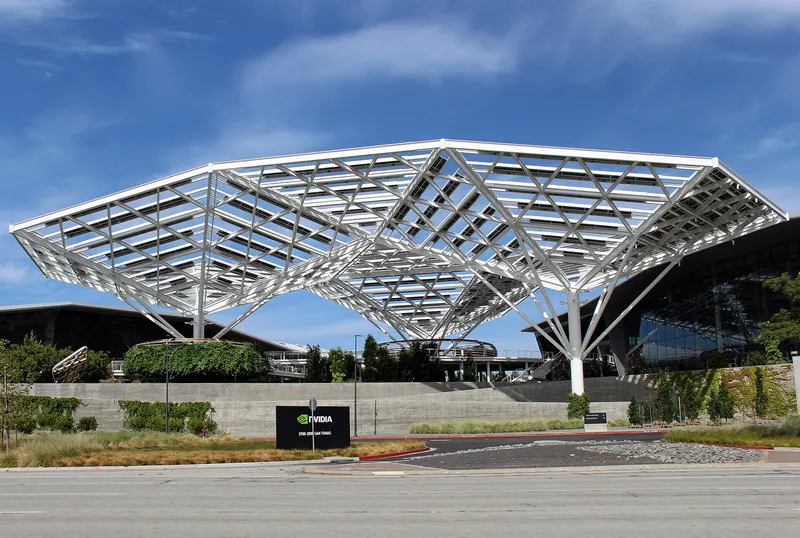
AI Is Not One Wave. It Is Five, and They Do Not Peak Together
Treating AI as a single chip cycle hides the important part. Training, inference, infrastructure, agents and physical AI run on different clocks and different revenue models, which is why slower growth at Nvidia and the end of the AI supercycle are not the same sentence.
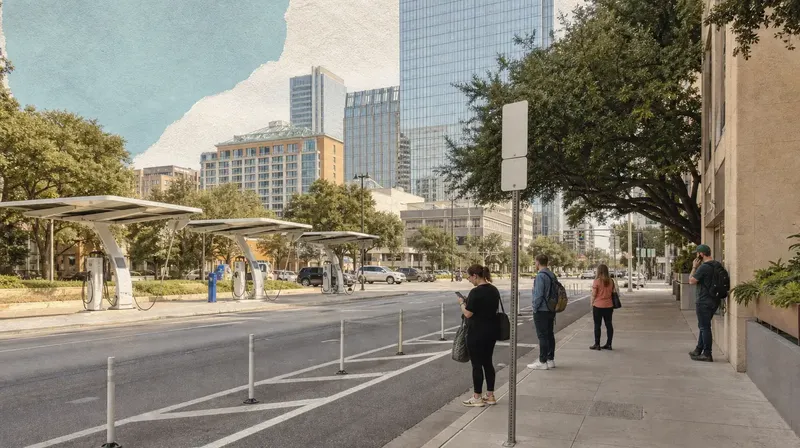
Tesla's biggest asset is not the car
Tesla's AI value sits in autonomy and humanoids, markets far larger than car manufacturing. The gap that matters is the one between a demo and a fleet that clears its own bills.
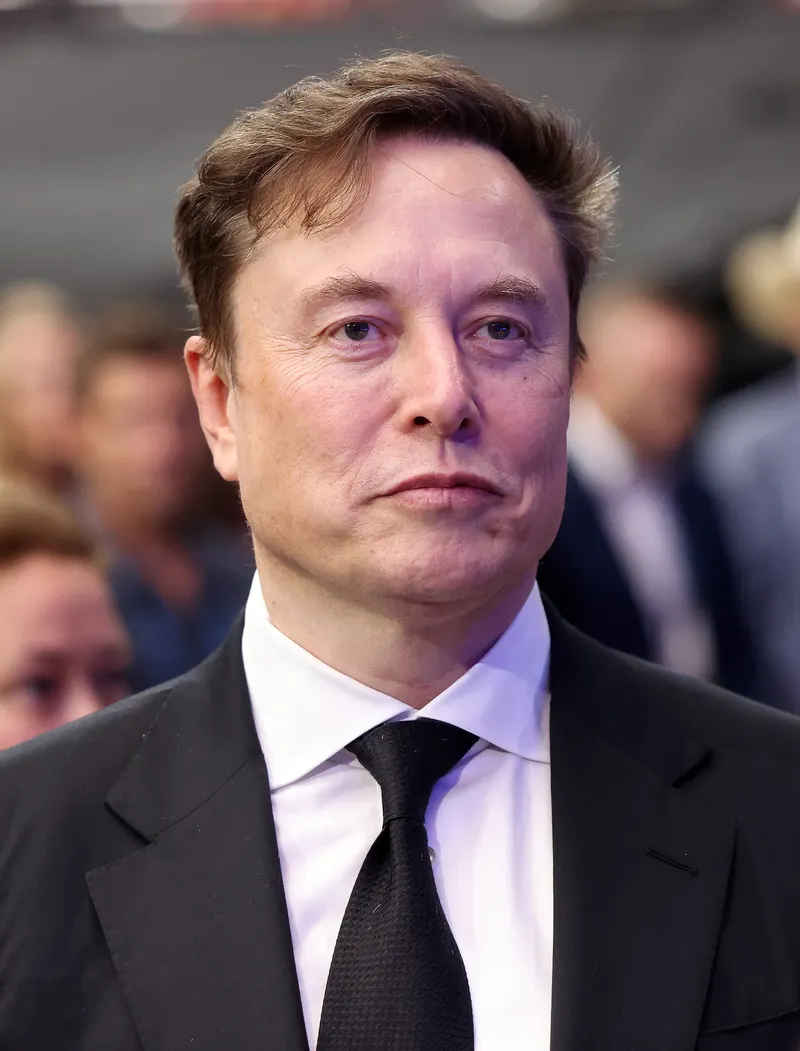
Musk's G20 message: AI's real bottleneck is not GPUs, it is electricity
A billion humanoids and a 20 to 30 percent bigger world economy make headlines. The line investors should read first is duller: AI chips are multiplying faster than the power and physical infrastructure needed to switch them on.
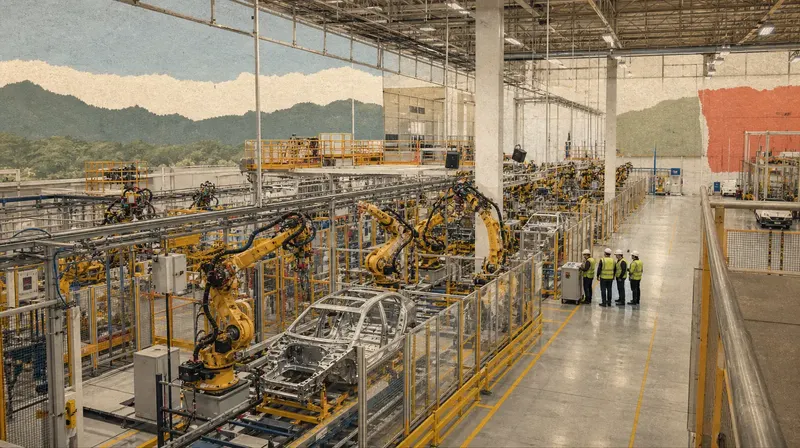
The robot race is not about walking. It is about putting 10,000 of them on a floor
Humanoid demo reels are already impressive. Industry asks a different question: how often does the fleet stop, who fixes it, and is it cheaper than a person after maintenance?
Nothing featured in this section yet.
Enter the email address where we should send the newsletter.