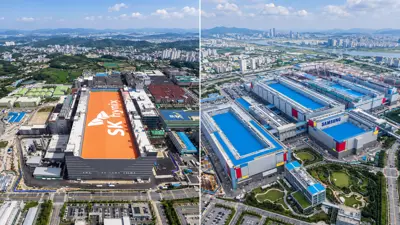
SK hynix Shelves Solidigm IPO, but the Funding Question Remains
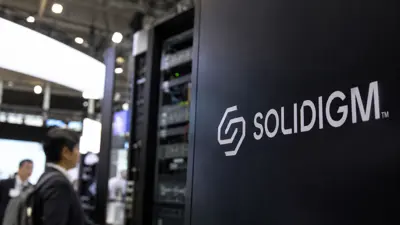
SK hynix dropped a plan to raise up to $15 billion in a Solidigm US listing. Dilution fears eased, but the cost of new US NAND and SSD capacity now lands back on the parent's balance sheet.
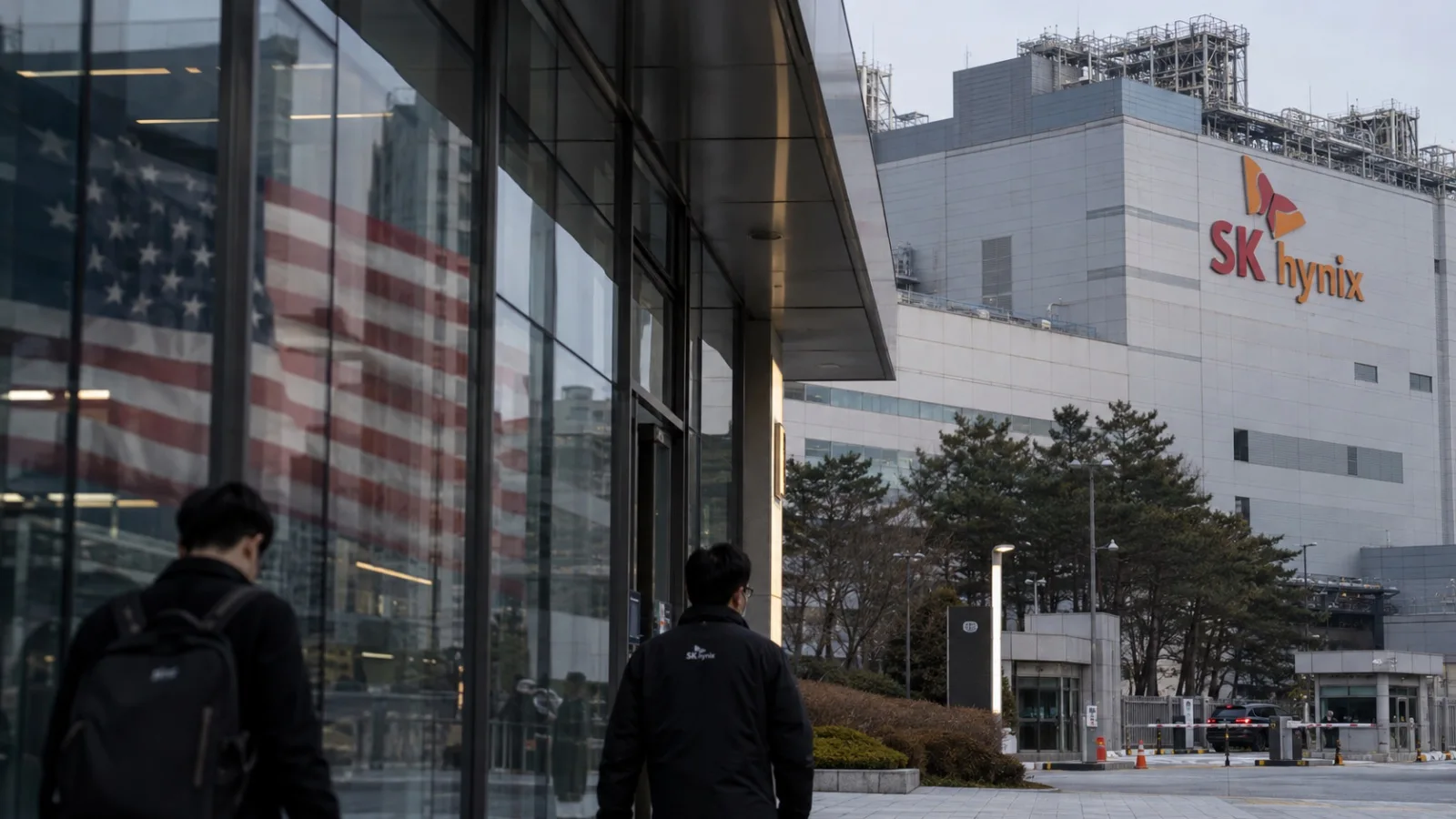
The risk did not vanish. It moved.
The decision is positive for shareholder value in the short run. SK hynix shares rose 4.4% on Oct. 23. Reuters read the move as relief over concerns that a Solidigm listing could dilute existing shareholders' interests.
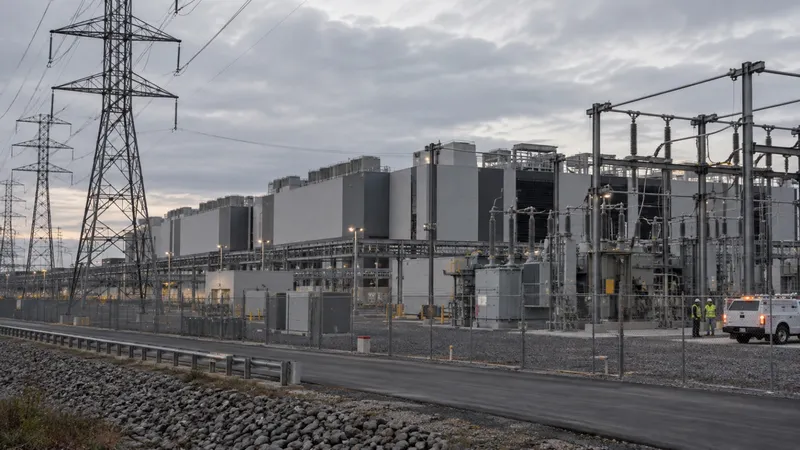
But the economic job the IPO was meant to do has not gone away. SK hynix has said Solidigm's new US production facilities are needed to meet demand for NAND and SSDs in AI data centers. The IPO was a way to fund that spending with outside capital. That would have eased the strain on SK hynix's consolidated cash flow and protected room for dividends and share buybacks and cancellations.
The structure is simple. A listing raises dilution concerns and a debate over double listing. No listing means the spending must be funded another way: internal cash, debt or strategic investors. The decision lowers the first risk and pulls the second one forward.
Why stop now: markets and regulators repriced it together
The company's official explanation centers on the market. SK hynix said that with chip stocks correcting and financial-market volatility rising, it needed to reconsider whether an IPO now was the best choice for existing shareholders.
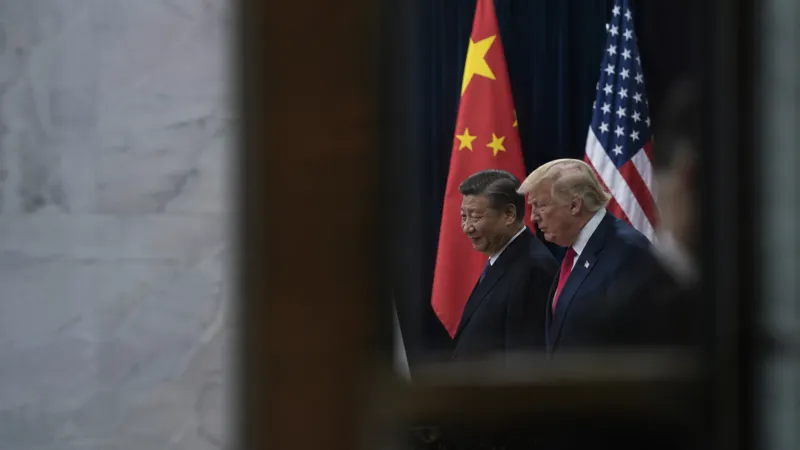
Regulatory pressure is hard to ignore as well. Korea's Financial Supervisory Service said publicly that a US listing of Solidigm could come under review under South Korea's rules on double listings of subsidiaries. Senior financial regulators then stressed that a parent's board and management owe shareholder-protection duties even when an overseas subsidiary lists. Even if a US listing is legally possible, the governance cost rose sharply.
There was also a valuation paradox. If Solidigm were valued near $150 billion, it would surface hidden asset value at SK hynix. At the same time, that value would be shared with separate shareholders. Investors in the Korean parent would be likely to ask why the fastest-growing asset was being carved out and listed on its own. A higher IPO price could therefore deepen parent-shareholder opposition.
What the numbers say: a roughly 200 trillion won valuation against about 20 trillion won of cash
In the largest scenario reported by Reuters, Solidigm would have targeted a valuation of $150 billion, about 198.9 trillion won, and raised up to $15 billion, about 19.9 trillion won. The conversion uses the rate of 1,326.03 won per dollar cited in the Reuters report.
The heart of the deal is less what Solidigm is worth than where roughly 20 trillion won of growth capital will come from. Without an IPO, the new plants and added capacity are not canceled. The party funding them changes.
If SK hynix invests directly, it keeps its consolidated equity value but ties up cash. If it borrows, there is no dilution, but interest costs and leverage rise. Bringing in strategic investors may be more flexible than an IPO, but it still means handing some economic rights to outsiders. For investors, the label on the method matters less than the cost of capital and who owns the future cash flows.
Insight Times Editorial Desk