AI Cloud Grew 82%. Alphabet's Free Cash Flow Was Negative.
Demand for AI cloud is showing up in revenue. The question for this earnings week is capital efficiency: how much cash the hundreds of billions already poured into data centers will return.
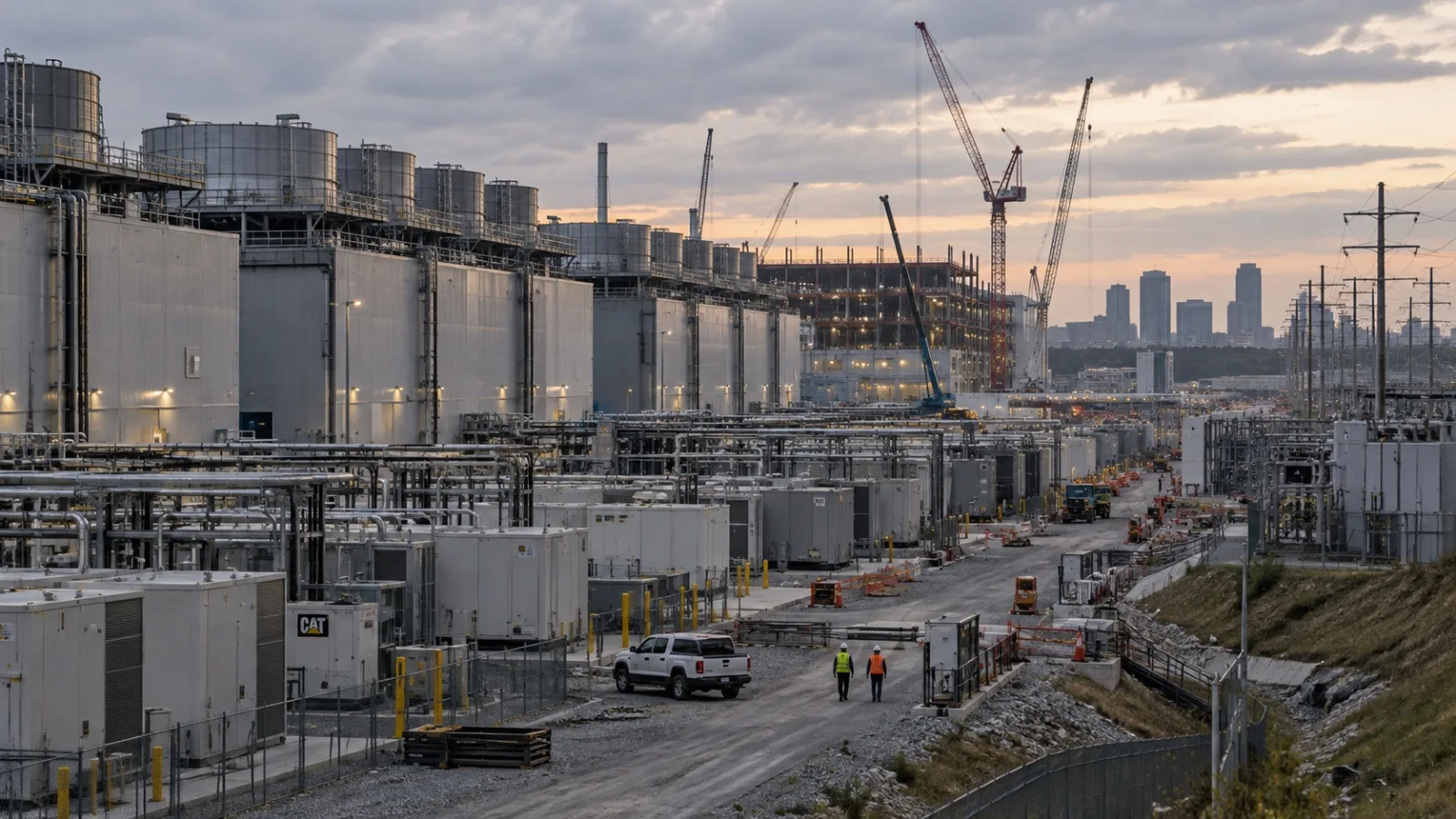
AI demand is already visible in the numbers
Alphabet and Microsoft are scheduled to report earnings on Oct. 28, and Amazon on Oct. 29. The starting point looks good. Last quarter, Google Cloud revenue rose 82% to $24.8 billion, with operating income of about $8.8 billion. AWS revenue grew 37% to $42.2 billion, with operating income of $16.6 billion. Microsoft's Azure and other cloud services revenue rose 43%.
On the numbers alone, the commercialization of AI cloud is under way. Google Cloud posted the fastest growth of the three. But the growth rates are defined differently and cover different scopes, so they should not be read as a simple ranking. The Azure figure is a growth rate for a service family whose revenue is not disclosed separately. Google Cloud and AWS are reported business segments.
| Last quarter | Google Cloud | Azure and other | AWS |
|---|---|---|---|
| Revenue growth | +82% | +43% | +37% |
| Quarterly revenue | $24.8B | Not disclosed | $42.2B |
| Operating income | About $8.8B | Not disclosed | $16.6B |
| Operating margin | About 35.6% | Not comparable | About 39.4% |
The issue is not revenue but the cash that goes out first
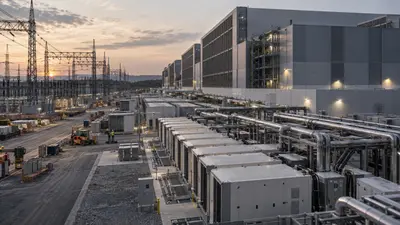
Alphabet's second-quarter operating cash flow was $39.07 billion. But it spent $44.92 billion on purchases of property and equipment, pushing free cash flow to negative $5.86 billion. The business is not weak. Cloud grew at a record pace. The problem is that keeping up with that growth requires putting more cash up front into servers, TPUs and GPUs, data centers and networking.
- Alphabet Q2 operating cash flow: about $39.07 billion
- Purchases of property and equipment: about $44.92 billion
- Free cash flow: about negative $5.86 billion
Alphabet raised its 2026 capital expenditure outlook to $195 billion to $205 billion. The $200 billion midpoint is about eight times last quarter's Google Cloud revenue. That spending also supports Search, Gemini, YouTube and internal infrastructure, so it cannot be compared directly with Cloud revenue. Even so, it shows how fast capital intensity has risen.
This is where the gap between accounting profit and cash flow matters. The cash put into data centers leaves now, while the cost of servers and facilities is depreciated over several years. If the economic life of GPUs and AI accelerators proves shorter than the accounting assumption, future depreciation and pressure for replacement spending could grow.
The real difference among the three is how much they keep
Over the same period, Microsoft spent $41 billion on capital expenditure but still generated $55.4 billion in operating cash flow and $19.6 billion in free cash flow. AWS showed 37% growth and an operating margin of about 39.4%. Amazon as a whole, however, had trailing 12-month free cash flow of negative $7.6 billion. All three carry the burden of AI investment, but they differ in how much cash it absorbs and how much their existing businesses offset it.
So the question this earnings season is not who grew fastest. The key points are whether cloud growth holds, whether operating margins rise with it, whether capex keeps growing faster than revenue, and when free cash flow begins to improve again.
Insight Times Editorial Desk