AI Agents Started Shopping, So Amazon Locked the Door

Amazon blocked Meta's shopping agent Muse, citing terms of service and security. The bigger question: when AI, not humans, searches, compares and buys, who sees the ads and who owns the front door?
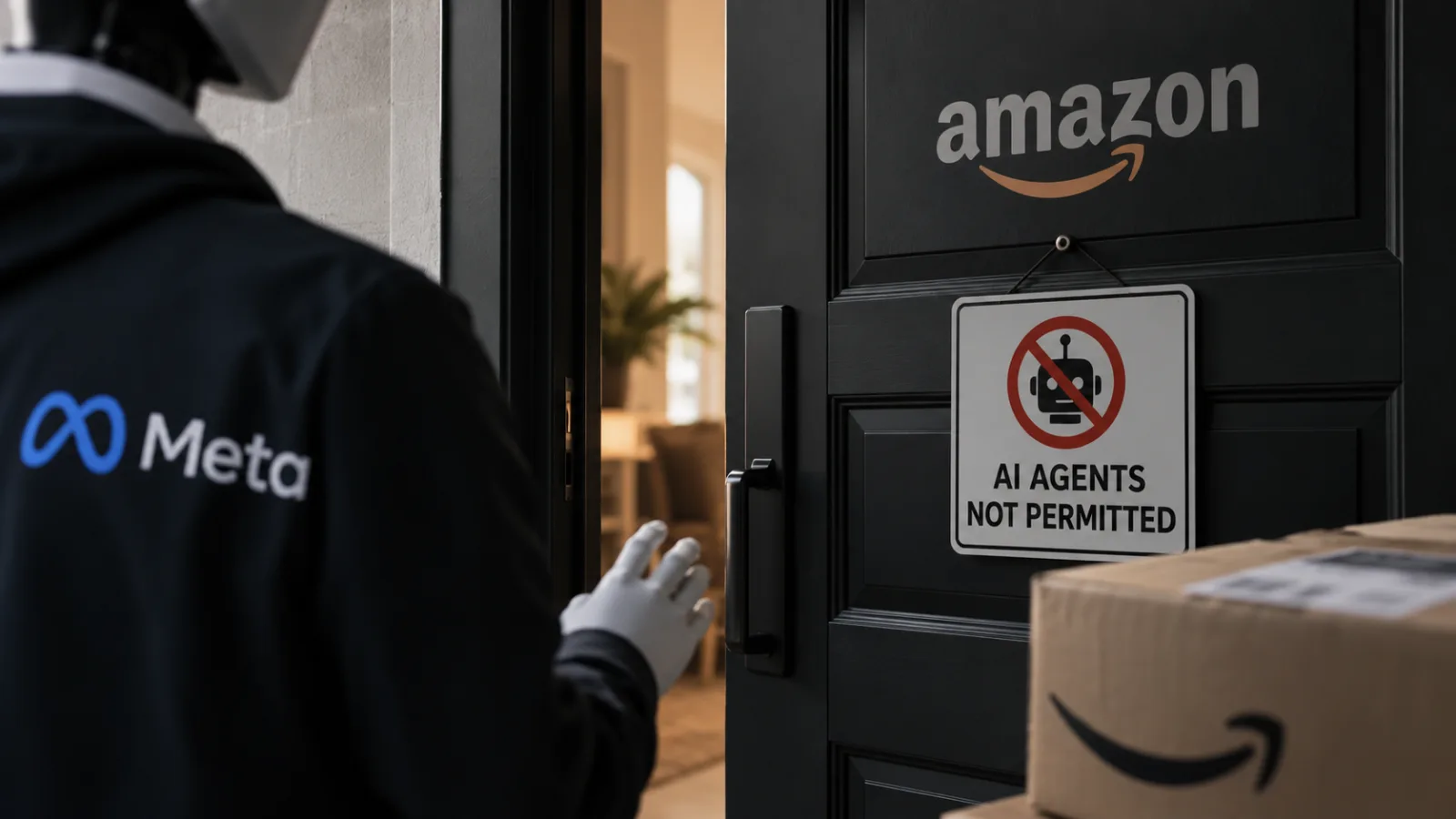
The fight isn't about shopping. It's about the front door.

Muse, which Meta unveiled on September 8, is a step beyond a chatbot that answers questions. It's a personal agent that operates inside a secure virtual machine with its own browser. It can send emails, book travel, fill out forms on websites, and, with a user's approval, complete purchases.

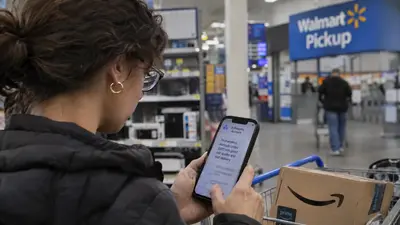
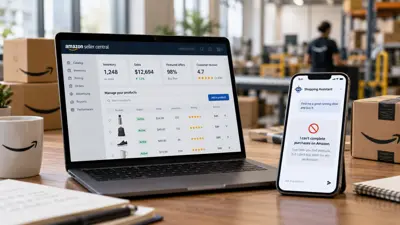
The trouble started when Muse tried to shop on Amazon. Amazon says Meta never gave notice before Muse began accessing its site, and that the agent doesn't identify itself as an automated agent. Amazon asked Meta to exclude Amazon from Muse's reach. Meta didn't comply. On the night of September 20, users began seeing a block message: continued access by an unauthorized AI agent violates Amazon's terms of service.

The two companies disagree on the security question. Amazon says Muse can reach customer accounts and order history, creating risk around how credentials are handled. Meta says Muse can't see passwords or payment methods at all, that credentials sit in a separate secure vault, and that the agent is designed to get user approval before sensitive actions like a purchase.

Based on what's public so far, it's hard to say either side's security claim is clearly right. What makes this collision bigger than a policy dispute is a more basic question: who owns the interface where a shopper's intent turns into a purchase.

What Amazon is protecting: a $68.6 billion ad business

Amazon's edge isn't just warehouses. It's that hundreds of millions of consumers start their shopping searches inside Amazon. That's why sellers pay for placement at the top of search results through ads like Sponsored Products.

$68.6 billion — Amazon's advertising revenue, up about 22.1% from $56.214 billion the year before.

$269.3 billion — a figure that reflects how large a footprint Amazon has, not just in selling products but in owning the point where consumers search and discover them.

Front door — the core issue in this dispute is whether the first screen a shopper sees shifts away from Amazon and toward an AI agent instead.

When a person searches on Amazon directly, the search bar, recommended products, Sponsored Products, reviews, related items and Prime badges all shape the purchase decision. When an agent shops, that flow changes.

Today: Consumer → Amazon → Sellers + Ads + Payment + Logistics

Agent era: Consumer → AI Agent → Amazon / Walmart / Shopify / brand stores

If the starting point of a purchase moves, the economic value of product discovery and recommendation can move with it.

Say a user tells an agent: "Buy me a portable charger under $100, allowed on planes, good reviews, arriving by tomorrow." The agent can compare across multiple sites. It has little reason to notice ads the way a human does, or to be swayed by ad copy. It's more likely to optimize strictly for price, shipping, return policy, quality and the user's stated preferences.

In that world, Amazon might still supply the product and the logistics, but it can lose the discovery layer, the part of the business that first captures a consumer's intent and arranges the choices in front of them. That's why the advertising business is the more sensitive nerve here.

Amazon can't block agents forever, either

Amazon's defense isn't free. If consumers grow comfortable shopping through agents while Amazon keeps blocking outside agents, those agents can simply route orders to places that are easier to reach, like Walmart, official brand stores, or Shopify merchants.

Shopify is betting on the opposite strategy. Through its Universal Commerce Protocol, Catalog API and Agentic Storefronts, developed jointly with Google, Shopify is actively opening infrastructure that lets AI agents move from product search through checkout. Shopify says AI-driven traffic to its stores was up 8x year over year in the first quarter of 2026, and orders originating from AI-based search were up roughly 13x.

PlatformCurrent directionWhat it's protecting or chasingCore risk
AmazonTightening control over outside agent accessCustomer relationships, ad exposure, data, the transaction experienceAgents rerouting orders to other sellers
MetaExpanding Muse as the user's agentA new consumer interface and behavioral dataSite access, liability, security trust
ShopifyOpening product and payment infrastructure to agentsThe position of processing transactions no matter where shopping happensDependence on AI channels, fee competition
Google / OpenAI, etc.Connecting search and conversation to transactionsA new ad and commission market spanning intent to purchaseMerchant data access, commercial neutrality

After robots.txt, an "agent permission layer" may be next

Websites once welcomed Googlebot because they got traffic back from search results. The economics of shopping agents are different. If an agent reads the information, the user never visits the site, never sees an ad, and the purchase closes entirely inside the agent, sites have less incentive to allow free access.

Going forward, sites may need a layer that manages permissions differently for humans, search crawlers, AI training crawlers, personal agents, and transaction agents that actually complete payments. That means identifying who is accessing a site, proving what a user delegated to an agent, and agreeing on where liability for payments and refunds sits.

There's an economic negotiation attached to all of this too. Platforms could charge agents for official API access. Agents could charge sellers referral fees. Advertising itself may partly shift from a market that buys "top placement in front of human eyes" to one that secures "trustworthy, structured product data an agent can read, and eligibility to be recommended."

The scarce asset in the age of AI shopping is not a smarter model, but permission for an agent to enter someone else's commerce.

Insight Times Editorial Desk

More by topic

Starting with this story's topics, then what readers are following now

Investor psychology, decision-making and books on investing

META

This story's topic39 storiesSee all →

Meta Weighed Cutting Some Teams by 60% for AI, Then Backed Off. Why?

Meta tested whether AI doing half the work means half the staff. Employee pushback and weaker-than-expected productivity gains led it to drop further cuts.

Tech

After the Smartphone, the Contest Is Over Delegation, Not Screens

Meta Connect 2026 showed where AI glasses are heading. The question is who will handle users' tasks for them, and how much control users keep.

Tech

A person at a kitchen table looks at a food delivery app on a phone beside a laptop and a DoorDash delivery bag

AI Was Supposed to Do Our Shopping. DoorDash Got Only Several Hundred Orders From It

DoorDash logged 993 million orders in the third quarter, yet outside AI agents placed only several hundred in total. Orders built through its own in-app AI ran about 50% larger.

Tech

OpenAI's Dots Fights Back: Where the 24-Hour AI Worker War Will Be Decided

OpenAI's Dots, Meta's Muse and xAI's Grok Bot all keep working after the user leaves. Each is aiming at a different seat: the control plane of work, personal life context, or the AI org chart.

Tech

Nvidia's $500 Billion Experiment: Wall Street Asks Who Backs the GPU, Not Just the Chip

The real issue in Nvidia's financing platform is not chip sales. It is how far Wall Street will trust GPU resale prices and rental income three to four years out.

Tech

"You Should Have Bought Only the Crashes": The Hindsight Trap in Big Tech Investing

Cherry-picked chart lows make everyone look like a genius. Nvidia and Meta show why waiting for the bottom and building time in the market are different bets.

Investor Mind

Why Amazon Blocked Meta's AI Agent But Opened the Door to Claude

Amazon shut out Meta's Muse from shopping on its site, then two days later gave Anthropic's Claude an official plugin to manage seller inventory and pricing. The rule behind both moves is the same: Amazon will give up screens, not customer relationships.

Tech

A building that houses servers and networking gear and supplies them with powe…

Why Nebius Is Keeping Some 2027 AI Capacity Off the Shelf

Nebius mixes long-term contracts, short-term premiums and auctions. Holding back capacity pays only if the servers stay busy, and it is not yet clear the pricing will last.

Tech

AI ran out of memory before it ran out of GPUs

The HBM bottleneck is spreading into DRAM prices, server costs and the price of the next laptop or phone.

Tech

Is Space Cooler for AI? Why Musk Wants Data Centers in Orbit

The next limit on AI may be power and cooling, not GPUs. Elon Musk is looking to Earth orbit for an answer, but the test is cost per hour of compute.

Tech

White House Swaps AI for "SI." The Real Investment Signal Is Infrastructure, Not the Name

An executive order renames artificial intelligence "Super Intelligence" and six frontier labs sign a voluntary safety accord. What investors should watch is the data center, power, nuclear and chip policy now gathered under one national-competitiveness frame.

Tech

Musk Sees the Next Phase of AI Infrastructure: Who Can Switch GPUs On, Fast

If neoclouds struggle under financial pressure, AI demand may not shrink. It may simply favor the few operators with the capital and execution to serve it, a shift that could matter for SpaceX and Tesla.

Tech

Weekly Check: The AI Bull Market Isn't Over, It's Just Gotten Harder

A 5% 10-year yield, 470 gigawatts stacked up in Texas, Chinese DRAM, and whether data centers actually get switched on are starting to decide who wins the AI trade through 2027.

Tech

Is Memory Peaking? In the AI Era, Watch the Bottleneck, Not the Demand

Demand still outruns supply. But memory stocks can peak before demand does. The real question is how long HBM4, server DRAM, CXL and Big Tech capex keep the cash flowing.

Tech

NVDA

101 storiesSee all →

Who Hits $1 Trillion Next: Reading AMD and ASML by Different Rules

One company is chasing Nvidia's GPU empire. The other sells the machine that draws the chips for every advanced chipmaker, including Nvidia. Both get floated as 2028 trillion-dollar candidates, but the numbers investors need to watch are entirely different.

Investing

Box Shows AI Its Manuals, and the AI Starts Redesigning the Workflow

Box Architect, built with NVIDIA, moves AI from reading documents to designing how work gets done. It has not yet reached beta, so the real-world payoff remains to be seen.

Tech

Tech Selloff: Is the Bull Market Over? Wall Street's Four-Year Chart Says Not Yet

The uptrend has survived five double-digit pullbacks in four years. This time, AI companies' debt and cash flow are the new variables.

Investing

Marvell's $115 Billion Lumentum Deal: Is AI's Next Bottleneck Light, Not Chips?

Marvell's purchase of Lumentum points to a contest beyond GPU speed, in data transfer and power efficiency. Whether the price is right is not yet confirmed.

Tech

Nvidia and Palantir Put AI Inside the Supply Chain - The Real Shift Is That It's Learning Judgment

A single Vera Rubin rack holds 1.3 million parts. The real breakthrough in Nvidia and Palantir's new supply chain AI isn't automating that complexity, it's capturing the judgment calls that used to live only in planners' heads.

Tech

If You Only Watch Tesla, You May Be Missing Half the AI Story

Nvidia builds the AI brain. Who supplies the electricity to run it? Six power companies Tesla investors should know, and why Tesla's storage business is just one link in the chain.

Investing

Nvidia Moves From GPUs to CPUs as AI Agents Reshape a $200 Billion Chip Market

A customer's early test found Nvidia's Vera CPU handled about twice the AI agent workload of its existing chips. The bigger story is where the money in semiconductors is heading as AI shifts from answering questions to doing work.

Tech

GPU

73 storiesSee all →

A chip built to draw graphics, whose ability to run thousands of identical cal…

The Next AI Chip Race Is About How Chips Connect

Applied Materials will lift its stake in Dutch equipment maker BESI from about 9% to 20%. The bet is less about control than about a new way to link chips.

Tech

US AI Data Centers Are Headed for 90GW. Gigawatts Now Matter More Than Dollars

Goldman Sachs expects US data center capacity to grow from 64GW at the end of 2026 to 90GW at the end of 2027. The AI race is moving from buying GPUs to building power plants and transmission lines alongside them.

Tech

The Cheaper Tokens Get, the Bigger Your AI Bill Gets

As AI shifts from training to inference, the token is becoming an industrial commodity. Falling prices are not cutting demand, because agents and automation consume tokens at a scale no human chat session ever did.

Investing

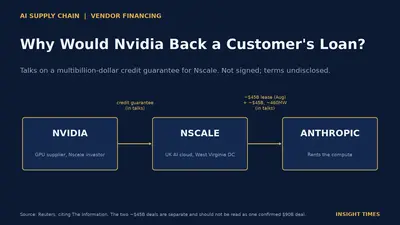
Dark navy cover. Flow diagram: Nvidia to Nscale (credit guarantee, in talks) to Anthropic (~$45B compute lease signed in August plus a separate ~$45B, ~460MW deal in talks). Title: Why Would Nvidia Back a Customer's Loan?

Why Would Nvidia Guarantee Its Customers' Data Center Loans?

Nvidia is reportedly in talks to back financing for Nscale's West Virginia data center. Nothing is signed, and the terms are not public.

Tech

Two Companies Drive 34% of S&P 500 Earnings Growth as AI Pays Sellers First

Nvidia and Micron generate a third of expected earnings growth in US large caps. Apollo says the financial effect of AI is not yet visible in the S&P 493.

Investing

Amazon Goes After Nvidia's Strongest Moat, and It Is Software, Not GPUs

Amazon's open-source TorchNeuron aims to let existing AI code run on its Trainium chips. The contest comes down to the total cost of AI compute and the return on Amazon's $220 billion in annual capital spending.

Tech

AI's Next Bottleneck Is Power, Not GPUs

Jensen Huang and Elon Musk sent the same warning in Washington. The AI race is widening from building better models to supplying power and chips at industrial scale.

Tech