Musk's Next Bet Is Not an AI Model. It Is the Industrial System That Produces AI
At the Barron's conference, Elon Musk laid out an industrial strategy that spans chips, space data centers, rockets, satellites and robots. Investors need to ask when each stage starts earning cash.
The 20-second read
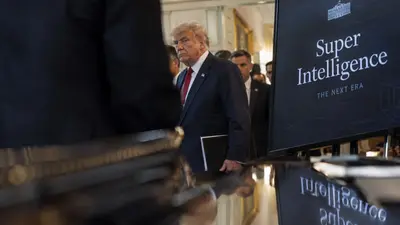
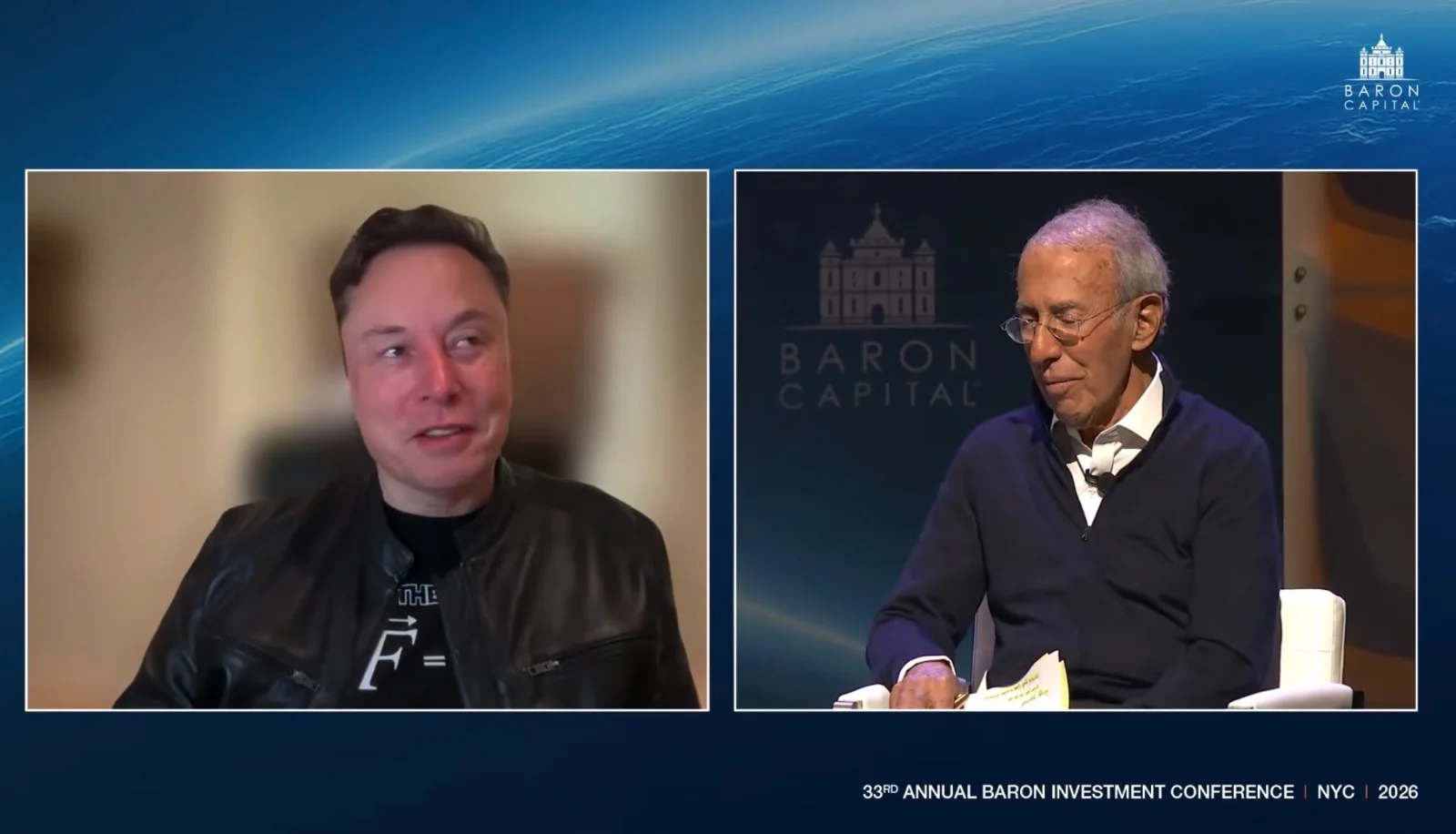
At the Barron's investment conference on Nov. 6, Elon Musk described a plan that runs from chip fabs to space data centers, reusable rockets, satellite communications and humanoid robots.
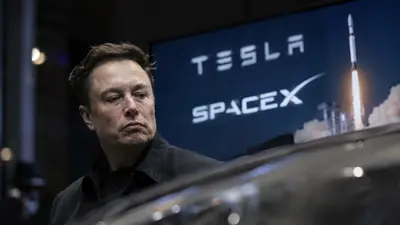
The businesses differ, but the direction is the same. Musk wants to build the supply chain that produces AI, delivers it and turns it into actual labor, rather than stopping at developing AI.
Tesla would convert AI into real-world productivity. SpaceX would secure the compute and communications infrastructure needed to scale it.
If the plan works, the basis of competition could change. The question would be not only who built the smartest model, but who can supply more AI, more reliably, at lower cost.
The $500 billion trap: watch the timeline, not the number
Musk said SpaceX's annualized revenue in December 2027 will likely exceed $500 billion. He also said this is his best estimate, not a promise.
That figure implies monthly revenue of about $41.7 billion, sustained for a full year.
The problem is the schedule of the businesses that would have to produce it.
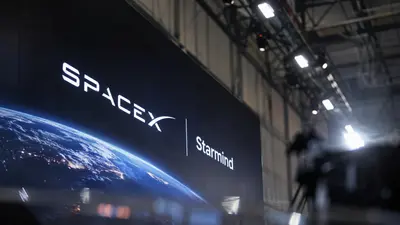
The target for volume chip production at Terafab is 2028. Starmind, the space AI computer, is slated to begin launches in the third quarter of 2027 and expand after 2028.
So for an aggressive revenue target at the end of 2027 to hold, growth in existing ground-based AI services and businesses would have to be proven first, ahead of space data centers that are not yet built.
A distant infrastructure vision should not be used to justify next year's earnings forecast.
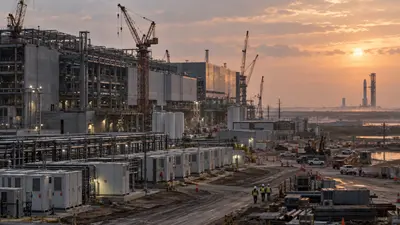
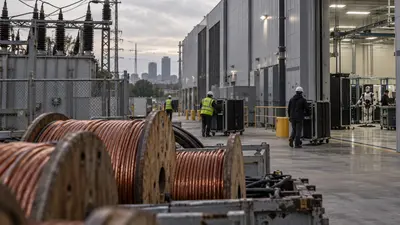
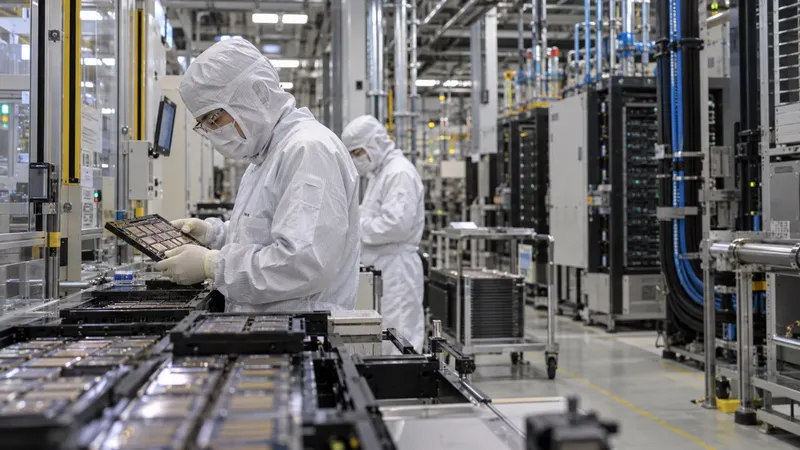
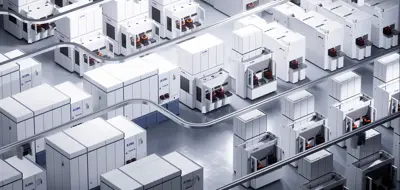
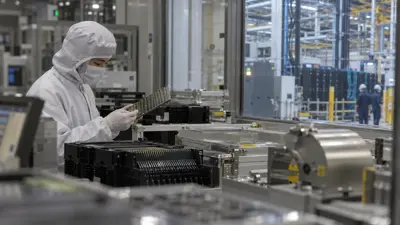
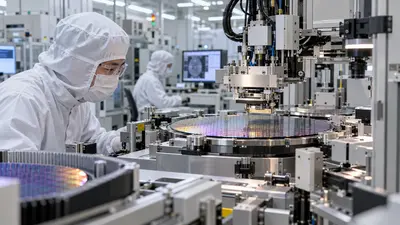
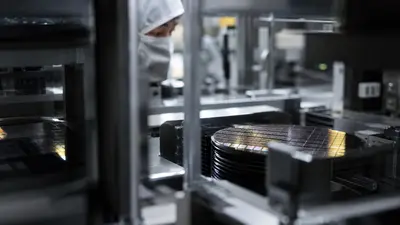
Terafab: is Musk trying to take over the chip market?
Musk's long-term goal for Terafab is AI chip production of 1 terawatt a year. Here TW refers to the power scale of the hardware produced, not the compute speed of a chip.
For investors, the key question is less whether Terafab beats TSMC head-on than whether the company can secure the AI chips it needs on time.
Tesla could get a stable supply of chips suited to self-driving and Optimus. SpaceX could optimize power efficiency and thermal behavior for its space compute systems starting at the hardware design stage.
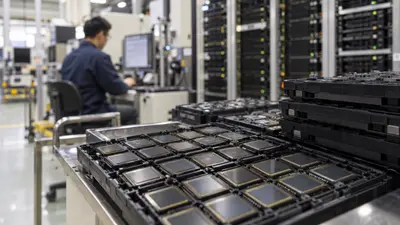
But a working test SRAM chip, the manufacture of a complex AI chip and high-yield volume production are separate steps. A successful test chip does not prove the economics of a semiconductor business.
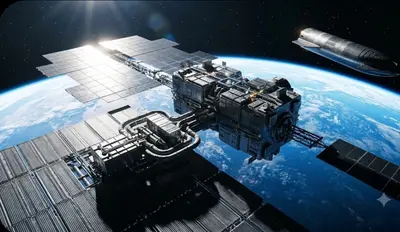
Space data centers: launch and cooling costs matter more than electricity
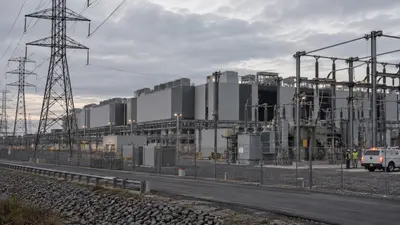
On the ground, grid connections, construction permits and local opposition can slow data center expansion. Musk sees that as the opening for space data centers.
But costs do not disappear in space.
In a vacuum, air cooling is impossible. Server heat has to be carried to radiators and emitted into space. Equipment mass, launch costs, radiation tolerance, lifespan and replacement costs are also burdens.
This is where SpaceX has an edge. If it designs Starship transport, Starlink communications and its own AI computer together, it may be able to cut the cost of the whole system rather than of individual parts.
Still, putting compute hardware in orbit and selling AI compute more cheaply than a ground data center are different achievements.
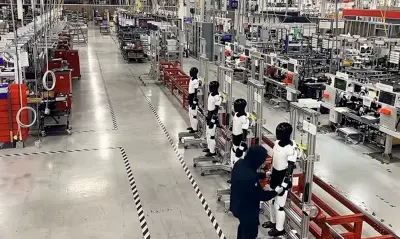
Optimus: hours worked matter more than units built
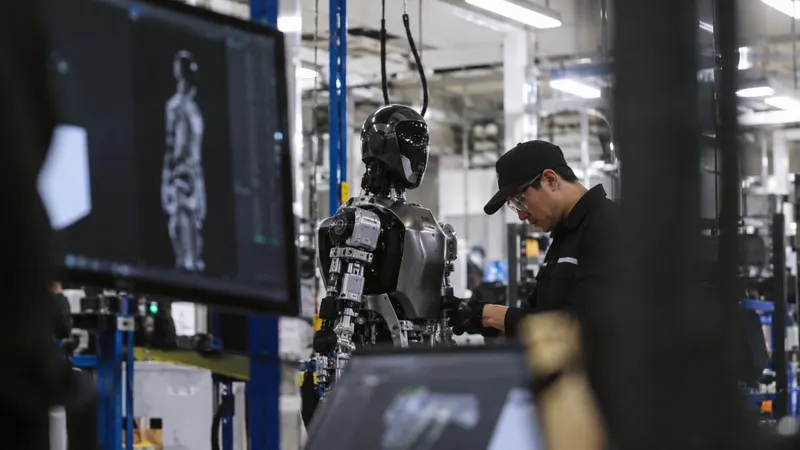
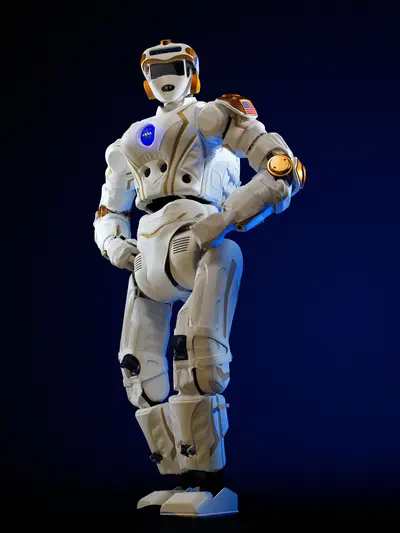
If Tesla's Optimus succeeds, the important change may show up in the business model rather than in unit sales.
Instead of one-time manufacturing revenue, Tesla would keep ownership of the robots, provide labor services to customers and collect usage fees.
Four factors would then determine real productivity.
A robot that can run 24 hours a day saves customers little if people must keep stepping in or if it breaks down often. A rental model can create recurring revenue, but Tesla would have to carry the upfront manufacturing cost.
Five things to check
(The source article lists five checkpoints in this section, but the list was not included in the text provided.)
The bottom line
Musk's biggest challenge goes beyond raising output of cars or rockets. It is to build supply capacity across an AI industrial system that runs from chips to compute, communications and real labor.
The possibility is interesting enough. But long-term investors need to separate admiring the size of the vision from deciding how much to pay for it.
Before the system is complete, the thing to check is the moment each stage of it starts producing real cash flow.
- At first, securing a stable supply of chips for internal use is likely to come first. Until large-scale external sales and competitive yields are proven, it is hard to say it would immediately replace the markets of existing suppliers.
- It is possible, but not a proven conclusion. You have to compare the advantage of solar power against the combined costs of launch, heat dissipation, replacement, and communications.
- It could be, if customer retention is high and the robots last a long time. On the other hand, if maintenance costs are high and the payback period is long, cash flow could get worse.
- Their end markets differ, but risks overlap, such as the AI investment cycle, heavy capital spending, and management's ability to execute. You need to review each company's business prospects and the valuation of the stake you hold separately.
What to watch
Insight Times Editorial Desk