Why AI Is Moving Back to the Laptop: Anduril and Qualcomm's BlueChip
Anduril and Qualcomm's new BlueChip laptops point to a bigger question: where should AI run? Production and sales are still unproven.
A defense company is building laptops, and AI is the reason
On Oct. 27, U.S. defense technology company Anduril and chipmaker Qualcomm announced a laptop line called BlueChip. The machines are designed and assembled in the United States. The first customers are government, defense, emergency response and public safety agencies.
The laptops use Qualcomm's Snapdragon X series processors. They handle general computing and graphics, and they also support on-device AI inference. Inference is the process of using an already trained AI model to answer a question or identify an object in video.
A working prototype exists, but Anduril plans to take orders only from 2027. Production scale and commercial results have not been verified. The significance of the announcement lies less in near-term laptop sales than in a question: where should AI run?
Why has AI lived in data centers so far?
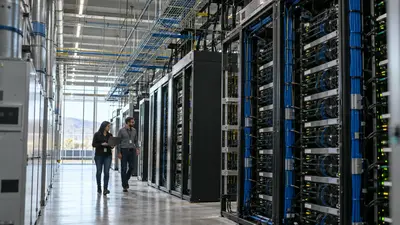
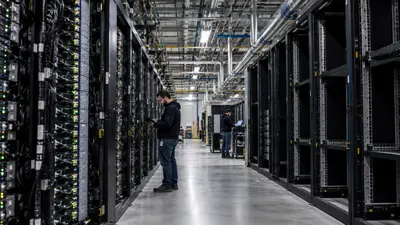
Large AI models demand heavy computation, high-performance chips and large amounts of memory. When many users share servers and models are updated centrally, the setup can be more efficient. That is why much of today's generative AI runs in cloud data centers.
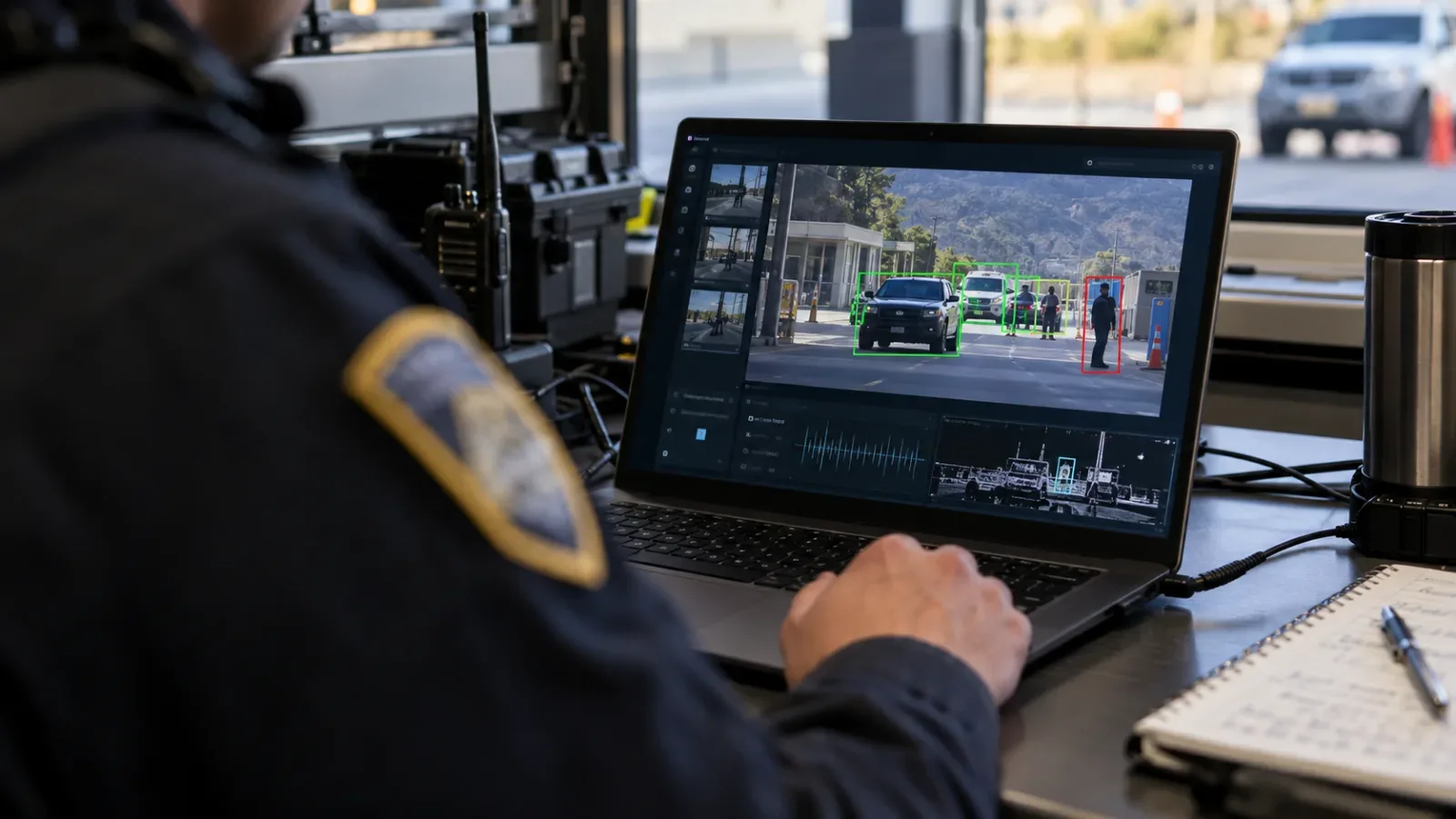
Work in the field carries different conditions. Analyzing video on site or summarizing a classified document may happen where networks drop, responses are needed instantly, or sending data outside is not allowed. In those cases, running AI on a chip inside a laptop or smartphone makes sense.
Cloud AI: data goes to a server. Suited to large, complex models. It relies on remote computing, central updates, an internet connection and server operating costs.
On-device AI: inference runs inside the device. Suited to smaller models and field work. It offers local processing and potentially faster response, but limited compute and battery constraints.
On-device AI offers four advantages. On security, it can reduce how much data leaves the device. On latency, it can cut network round-trip time. On cost, it may lower the expense of repeated server calls. On offline use, it can perform some functions without a connection.
Local processing does not guarantee safety by itself, though. Lost devices, malware and model vulnerabilities need separate defenses. Model size, performance and battery drain are also limits.
Replace the cloud, or split the work?
The more realistic path looks like division of labor rather than replacement. Voice commands, simple document sorting and first-pass analysis of camera video would run on the device. Complex reasoning and large-scale training would go to the cloud. The actual split will depend on model performance, cost and privacy policy.
| Task | Relatively better location | Reason |
|---|---|---|
| Long documents and complex analysis | Cloud | High-performance compute and memory |
| Simple search and summary of classified documents | On-device | External transmission can be minimized |
| First-pass identification of field camera video | On-device | Short response time and no connection needed |
| Small-model processing followed by complex analysis | Hybrid | Fast field processing combined with server power |
So growth in on-device AI does not mean data center investment will fall right away. As new AI features multiply, compute demand may rise on devices and servers together.
BlueChip's "90%" is not a share of U.S.-made parts
Supply chain is the other pillar of the announcement. According to Anduril, more than 90% by procurement value of the parts in the prototype come from U.S. and allied suppliers. That does not mean 90% of the parts by count are American-made, nor that 90% of manufacturing is domestic.
- 90%+: share of prototype parts, by procurement value, from U.S. and allied suppliers
- 2027: year orders are due to open. There are no actual sales yet.
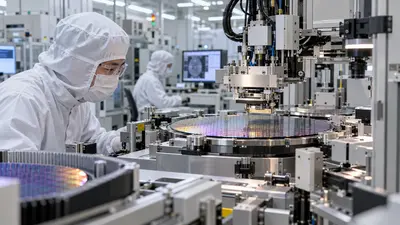
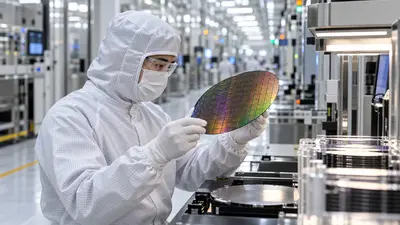
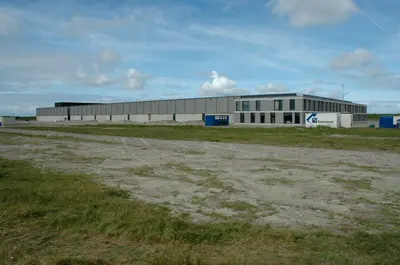
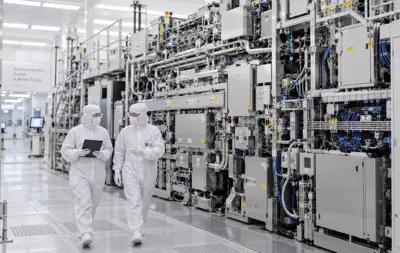
Circuit board assembly is planned at Anduril's Arsenal-1 facility in Ohio. Qualcomm's CEO told reporters that the Snapdragon X chips for the product will be made at TSMC's Arizona facility. Both are descriptions of future production plans, not completed output.
Anduril is also developing the case, battery-related parts and display glass to fit a U.S. supply chain. A fully U.S.-based supply chain is a long-term goal and has not been achieved. The approach is to start with U.S. design and assembly, then expand the production system in stages.
Insight Times Editorial Desk