Stocks Can Rise Even if the Iran War Doesn't End
Wall Street is waiting less for a declaration of peace than for Hormuz to normalize. What matters is whether energy-driven inflation and long-term yields stop getting worse.
Does the war have to end for stocks to rise? For investors holding US tech, AI and semiconductor shares, the more useful question is different: "Will the war make tomorrow's economy worse than today's expectations?"
That is close to what Wall Street is focused on now. There is no confidence in an early end to the fighting. Talks between the US and Iran have stalled. Reports say the US and Israel are preparing options for more strikes after the Nov. 3 midterm elections. But a prepared military plan is not the same as a decision to attack.
Meanwhile, a different change is already under way in energy markets. The war continues, yet crude exports are recovering. What the market is waiting for may be less a diplomat's signature than economic normalization around Hormuz.
Crude is back. The risk premium remains
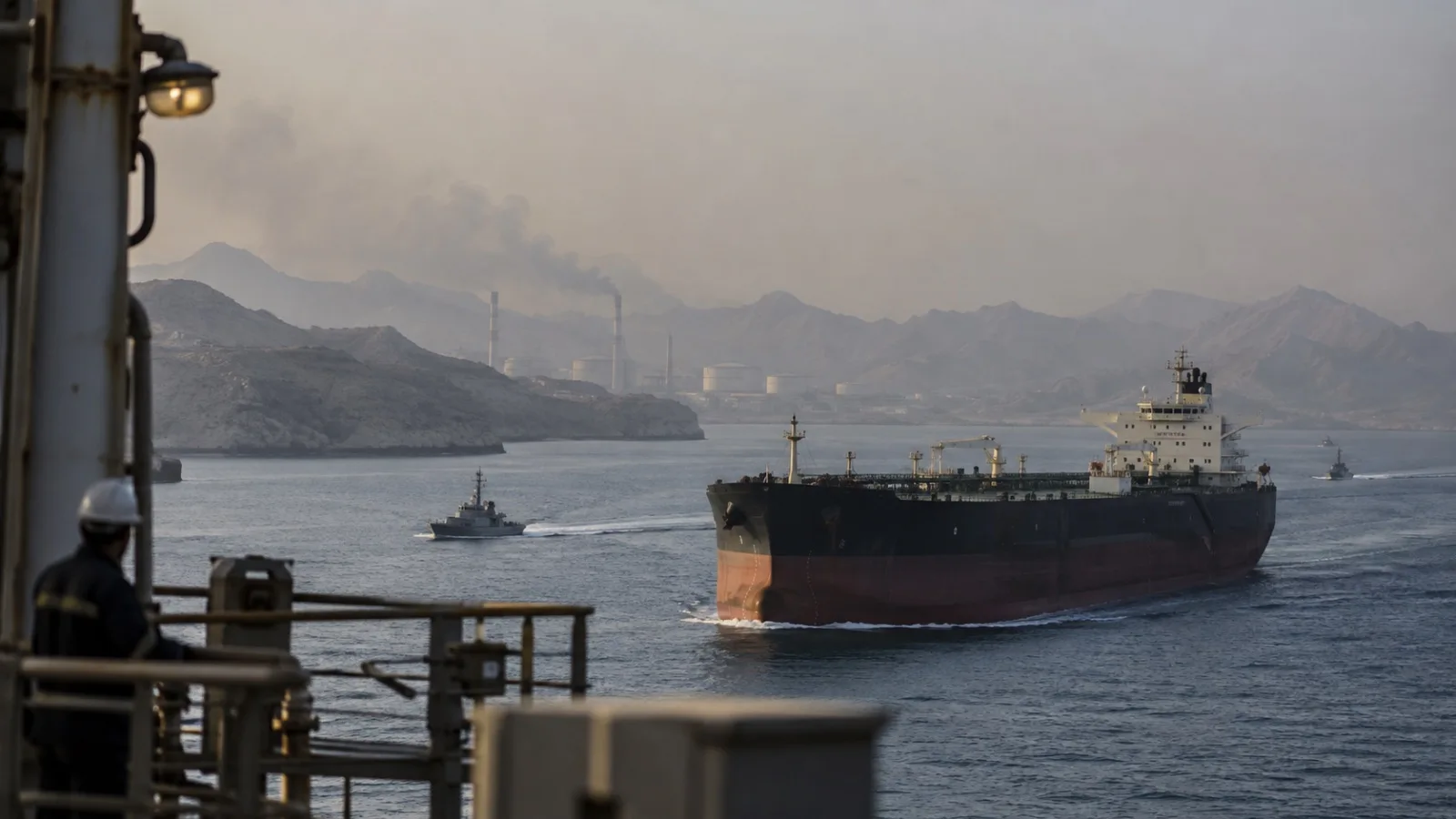
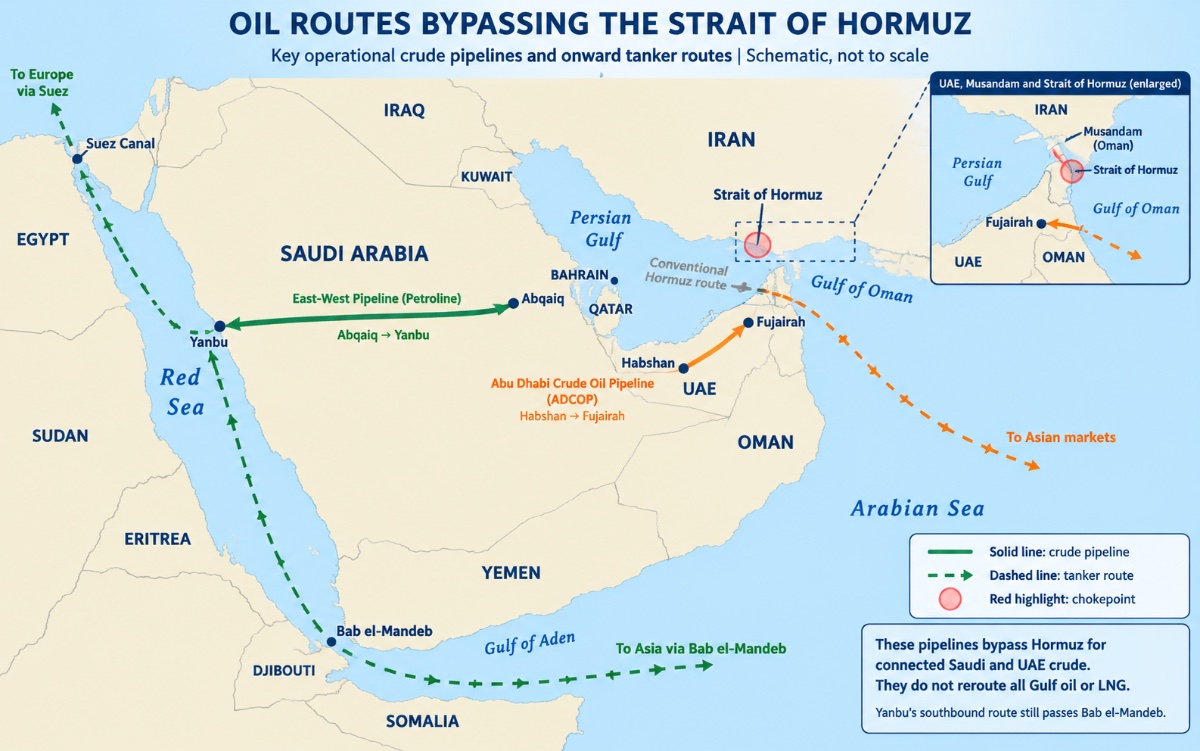
The number of ships passing through Hormuz and the volume of oil reaching world markets are not the same measure. If some vessels avoid attack risk and use bypass pipelines and other ports, exports can recover even when the strait is not fully normal.
- 98%: Middle East crude shipments at the end of September versus pre-war levels, by JPMorgan's estimate
- 58%: Shipments of refined products such as diesel and gasoline versus pre-war levels
- $116.72: Brent December futures settlement on Oct. 23, per barrel
A report citing Kpler data said combined shipments through Hormuz and bypass routes recently topped 24 million barrels a day, above the pre-war average of 23.3 million. On supply alone, this is far from a state in which almost no crude gets out.
Yet Brent sits at $116.72. It looks like a contradiction, but the market prices not today's barrels so much as whether those barrels can keep coming out safely tomorrow. Ship attacks, threats to Saudi energy facilities, costly insurance and freight, and a shortage of refined products all add a risk premium on top of crude.
Nov. 3 is a political fork, not an end date for the war
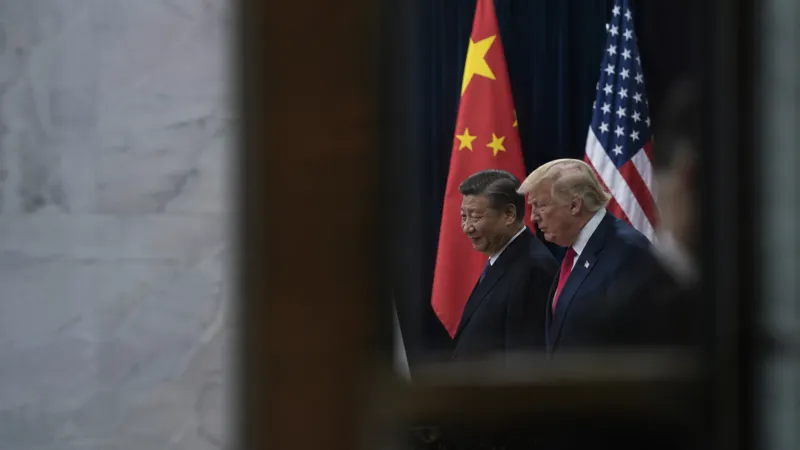
High oil prices are an electoral burden for President Trump. Reuters reported that the war and tariffs are lifting fuel and living costs and pressuring Republicans' midterm prospects. The White House has said it will not strike Iran again before the election.
But the more Washington hurries toward a deal, the less reason Iran has to move at the same pace. Citing Iranian officials, Reuters reported that Tehran is trying to delay talks and raise pressure on shipping to impose a political cost on Trump. US impatience is both a driver of negotiations and a source of leverage for the other side.
So the assumption that "the election is close, so the war will end soon" is a weak basis for investing. Reports have also said US and Israeli forces have drawn up plans to resume attacks after the election. That means plans and options exist. It does not mean an attack has been finally approved.
Even if the balance of power in Congress shifts after the midterms, the war does not end automatically. Whether a White House freed from election pressure becomes more flexible or more hawkish remains open.
Markets can adapt before the war ends
Markets are more sensitive to whether things get worse than expected than to the existence of bad news. If supply disruption stays within a range and companies can recalculate their cost structures, discount rates and earnings forecasts for stocks can stabilize even as the war goes on.
JPMorgan, in fact, sees supply resilience and demand destruction as limits on how far crude can run. Goldman Sachs, by contrast, says Brent futures carry a high risk premium of about $25 and that the market has priced in a large share of the chance of a longer or escalated conflict.
The two views do not contradict each other. One looks at physical supply adapting. The other looks at future risk still in the price. The current market holds both at once.
| Item | Status |
|---|---|
| Current supply | Crude exports near, or for some periods above, pre-war levels |
| Remaining bottlenecks | Refined products, freight costs, insurance, safety of alternative export routes such as Saudi Arabia |
| Market price | Brent still in the $110s, with a high premium for renewed escalation |
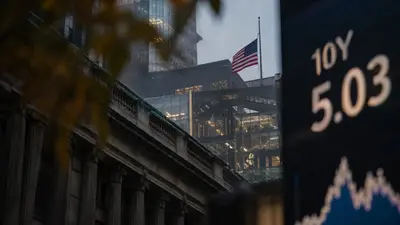
| Gate for equities | Whether energy-driven inflation and rising long-term yields stop |
Don't just watch oil falling. Why it falls matters more
High prices destroy demand on their own. Consumers use less, companies adjust production and transport, and suppliers add bypass routes. JPMorgan believes this demand loss can restrain oil prices even if supply constraints persist.
For stocks, though, there is a trap. If oil falls because supply recovers and shipping normalizes, it helps corporate margins and consumption at once. If oil falls because the economy is slowing, inflation pressure eases but sales and earnings can worsen.
A good drop in oil is supply-side normalization. A bad drop is demand collapse. Investors need to check the cause, not just the price.
Blaming the tech pullback on the war alone misreads what comes after a ceasefire
Tech stocks face another burden besides oil and rates: questions about the scale of AI data center spending, upfront costs, debt financing and payback periods. AP reported that high long-term yields, together with worries about AI company valuations and returns on investment, are adding to tech volatility.
This matters. If the war calms, the energy risk premium and some rate pressure could ease. But how fast AI companies turn hundreds of billions of dollars in capital spending into revenue and cash flow is a separate matter.
The market's internals, as Goldman Sachs described them on Oct. 20, tell a similar story. The S&P 500 was about 2% below its record high, yet the median stock was about 15% below its own peak. Index returns and what investors actually experience have split widely. A ceasefire would not solve every stock's valuation problem.
Insight Times Editorial Desk