Musk's Next Bet Is Not an AI Model. It Is the Industrial System That Produces AI

At the Barron's conference, Elon Musk laid out an industrial strategy that spans chips, space data centers, rockets, satellites and robots. Investors need to ask when each stage starts earning cash.
The 20-second read

1
Musk's forecast of $500 billion in revenue at the end of 2027 is not confirmed annual revenue. It is an annualized revenue projection as of December.
2
Terafab, Starship, Starmind, and Starlink could be linked into a single AI supply chain, but technical possibility and commercial viability are separate questions.
3
For Tesla shareholders, what matters most is not the size of Musk's whole ecosystem but which assets Tesla will own and what cash flow it will secure.

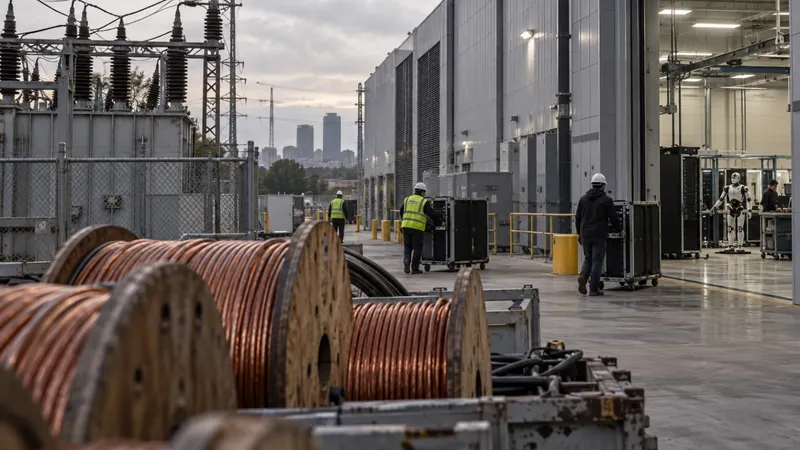
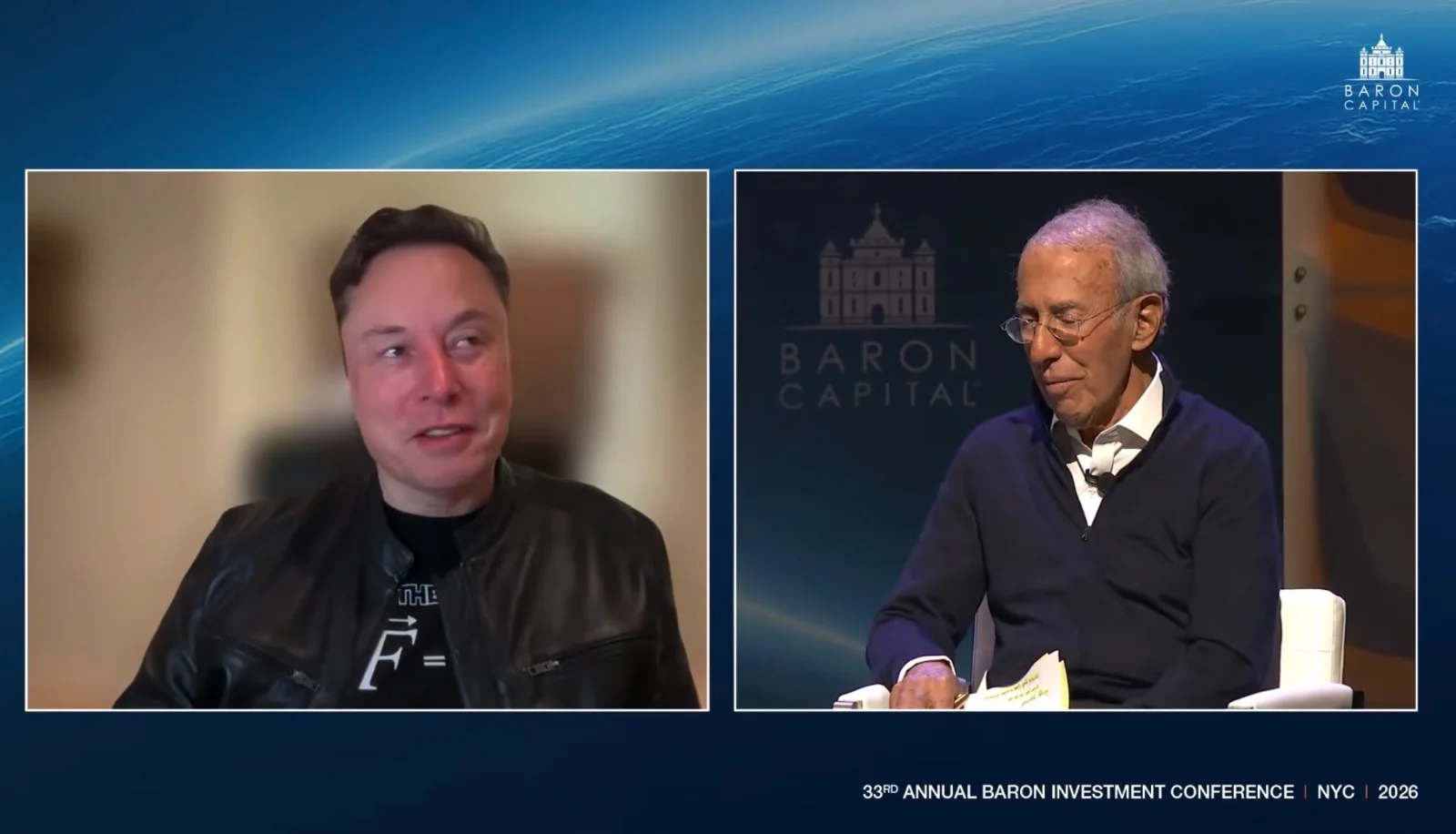
At the Barron's investment conference on Nov. 6, Elon Musk described a plan that runs from chip fabs to space data centers, reusable rockets, satellite communications and humanoid robots.

The businesses differ, but the direction is the same. Musk wants to build the supply chain that produces AI, delivers it and turns it into actual labor, rather than stopping at developing AI.

Tesla would convert AI into real-world productivity. SpaceX would secure the compute and communications infrastructure needed to scale it.

If the plan works, the basis of competition could change. The question would be not only who built the smartest model, but who can supply more AI, more reliably, at lower cost.

The $500 billion trap: watch the timeline, not the number

Musk said SpaceX's annualized revenue in December 2027 will likely exceed $500 billion. He also said this is his best estimate, not a promise.

That figure implies monthly revenue of about $41.7 billion, sustained for a full year.

The problem is the schedule of the businesses that would have to produce it.

The target for volume chip production at Terafab is 2028. Starmind, the space AI computer, is slated to begin launches in the third quarter of 2027 and expand after 2028.

So for an aggressive revenue target at the end of 2027 to hold, growth in existing ground-based AI services and businesses would have to be proven first, ahead of space data centers that are not yet built.

A distant infrastructure vision should not be used to justify next year's earnings forecast.

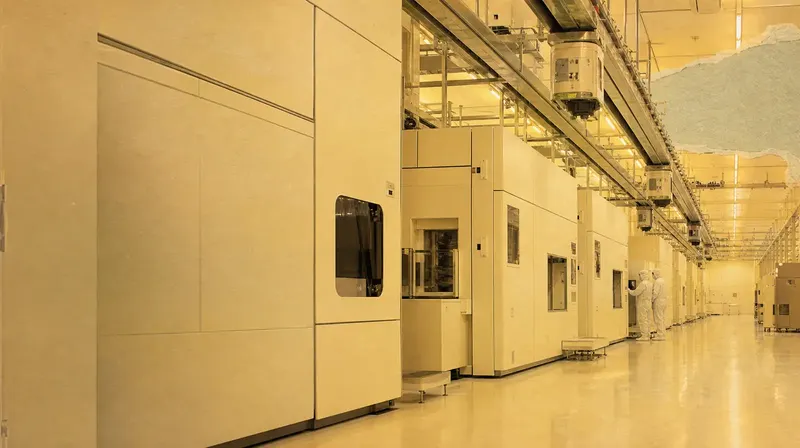
Terafab: is Musk trying to take over the chip market?

Musk's long-term goal for Terafab is AI chip production of 1 terawatt a year. Here TW refers to the power scale of the hardware produced, not the compute speed of a chip.

For investors, the key question is less whether Terafab beats TSMC head-on than whether the company can secure the AI chips it needs on time.

Tesla could get a stable supply of chips suited to self-driving and Optimus. SpaceX could optimize power efficiency and thermal behavior for its space compute systems starting at the hardware design stage.

But a working test SRAM chip, the manufacture of a complex AI chip and high-yield volume production are separate steps. A successful test chip does not prove the economics of a semiconductor business.

Space data centers: launch and cooling costs matter more than electricity

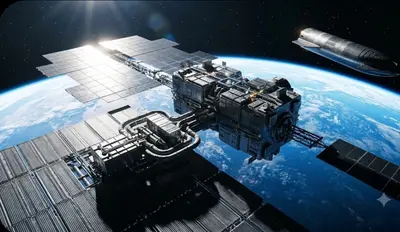
On the ground, grid connections, construction permits and local opposition can slow data center expansion. Musk sees that as the opening for space data centers.

But costs do not disappear in space.

In a vacuum, air cooling is impossible. Server heat has to be carried to radiators and emitted into space. Equipment mass, launch costs, radiation tolerance, lifespan and replacement costs are also burdens.

This is where SpaceX has an edge. If it designs Starship transport, Starlink communications and its own AI computer together, it may be able to cut the cost of the whole system rather than of individual parts.

Still, putting compute hardware in orbit and selling AI compute more cheaply than a ground data center are different achievements.

Optimus: hours worked matter more than units built

If Tesla's Optimus succeeds, the important change may show up in the business model rather than in unit sales.

Instead of one-time manufacturing revenue, Tesla would keep ownership of the robots, provide labor services to customers and collect usage fees.

Four factors would then determine real productivity.

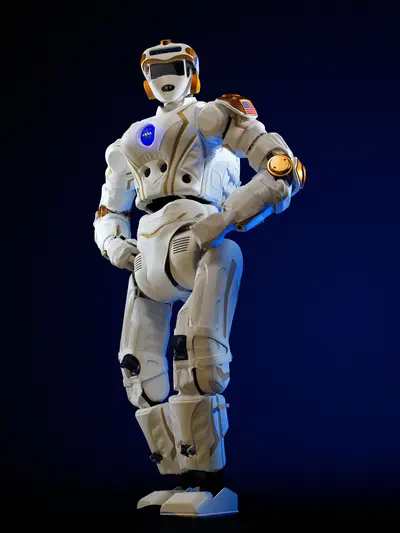
OPTIMUS ECONOMICS Effective workload Work speed × uptime × success rate × autonomy The key is profit after subtracting paid work hours from outside customers and maintenance costs.

A robot that can run 24 hours a day saves customers little if people must keep stepping in or if it breaks down often. A rental model can create recurring revenue, but Tesla would have to carry the upfront manufacturing cost.

Five things to check

(The source article lists five checkpoints in this section, but the list was not included in the text provided.)

The bottom line

Musk's biggest challenge goes beyond raising output of cars or rockets. It is to build supply capacity across an AI industrial system that runs from chips to compute, communications and real labor.

The possibility is interesting enough. But long-term investors need to separate admiring the size of the vision from deciding how much to pay for it.

Before the system is complete, the thing to check is the moment each stage of it starts producing real cash flow.

If Terafab succeeds, will Nvidia or TSMC be at a disadvantage?
  • At first, securing a stable supply of chips for internal use is likely to come first. Until large-scale external sales and competitive yields are proven, it is hard to say it would immediately replace the markets of existing suppliers.
Will data centers in space become cheaper than ground-based ones?
  • It is possible, but not a proven conclusion. You have to compare the advantage of solar power against the combined costs of launch, heat dissipation, replacement, and communications.
Is renting Optimus better than selling it?
  • It could be, if customer retention is high and the robots last a long time. On the other hand, if maintenance costs are high and the payback period is long, cash flow could get worse.
Does investing in both Tesla and SpaceX spread out risk?
  • Their end markets differ, but risks overlap, such as the AI investment cycle, heavy capital spending, and management's ability to execute. You need to review each company's business prospects and the valuation of the stake you hold separately.

What to watch

AI revenueLook for growth in revenue from outside customers and cash collection, rather than annualized projections.
TerafabAfter the 2027 test chip, watch for real yields and improvement in mass-production costs.
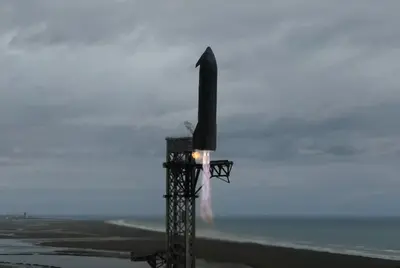
StarshipAfter a successful recovery, watch the reflight cadence and falling transport costs per unit.
StarmindNo explanation was given for this item in the original.
Orbital computingWatch the effective cost of computing in orbit and whether paying customers are secured.
OptimusWatch paid working hours, autonomous task completion rate, contract renewals, and maintenance costs.
Musk is competing on AI supply capacity rather than model quality, and the test for investors is when each stage begins to generate cash flow.

Insight Times Editorial Desk
More by topic

Starting with this story's topics, then what readers are following now

Investor psychology, decision-making and books on investing

TSLA

This story's topic50 storiesSee all →

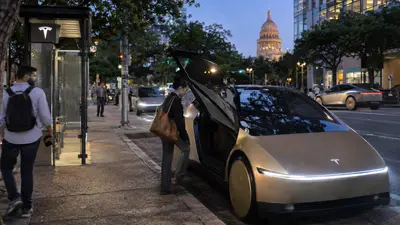
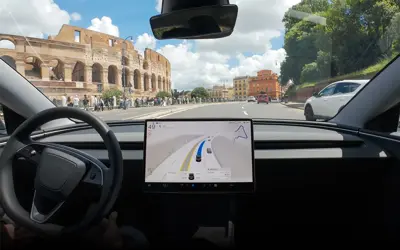
The Cybercab is not a $30,000 car. Tesla is selling hours, not vehicles

No steering wheel, no pedals. The economics of Tesla's robotaxi turn on how many paid hours a day it runs, not on what it costs to build.

Tech

Why Tesla Jumped: Barclays Sets a $450 Target on SpaceX Merger Hopes

Hopes for a SpaceX merger moved the stock. Whether the rally lasts likely depends on how robotaxis turn into profit and cash flow.

Investing

Musk Says He'd Cancel Government Contracts. Washington Still Holds Leverage

After Democrats won both chambers in the midterms, Musk floated cancelling SpaceX's federal contracts. The share of revenue matters less than bargaining power and the regulatory risk that remains.

Tech

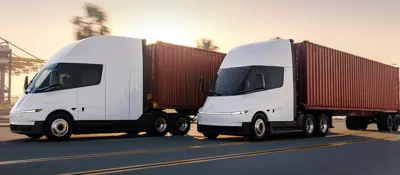
Tesla Semi's Real Bottleneck Is Starting to Clear

A new 30-megawatt heavy-truck charging buildout in California is too small to move Tesla's earnings on its own. But it marks real progress on one of the Semi business's hardest problems: charging infrastructure that has to exist before the trucks do.

Investing

Musk Sees the Next Phase of AI Infrastructure: Who Can Switch GPUs On, Fast

If neoclouds struggle under financial pressure, AI demand may not shrink. It may simply favor the few operators with the capital and execution to serve it, a shift that could matter for SpaceX and Tesla.

Tech

If You Only Watch Tesla, You May Be Missing Half the AI Story

Nvidia builds the AI brain. Who supplies the electricity to run it? Six power companies Tesla investors should know, and why Tesla's storage business is just one link in the chain.

Investing

When Will Tesla's Rally Finally Hold? The Case for 2027

The next leg up for Tesla will not come from another product reveal. It will come when self-driving, AI investment and Optimus stop being "future stories" and start showing up as real profit and cash flow. The first real test window is likely 2027.

Investing

Humanoid Robots

This story's topic6 storiesSee all →

A robot in human shape.

A building that houses servers and networking gear and supplies them with powe…

Why Nebius Is Keeping Some 2027 AI Capacity Off the Shelf

Nebius mixes long-term contracts, short-term premiums and auctions. Holding back capacity pays only if the servers stay busy, and it is not yet clear the pricing will last.

Tech

AI ran out of memory before it ran out of GPUs

The HBM bottleneck is spreading into DRAM prices, server costs and the price of the next laptop or phone.

Tech

White House Swaps AI for "SI." The Real Investment Signal Is Infrastructure, Not the Name

An executive order renames artificial intelligence "Super Intelligence" and six frontier labs sign a voluntary safety accord. What investors should watch is the data center, power, nuclear and chip policy now gathered under one national-competitiveness frame.

Tech

Weekly Check: The AI Bull Market Isn't Over, It's Just Gotten Harder

A 5% 10-year yield, 470 gigawatts stacked up in Texas, Chinese DRAM, and whether data centers actually get switched on are starting to decide who wins the AI trade through 2027.

Tech

Is Memory Peaking? In the AI Era, Watch the Bottleneck, Not the Demand

Demand still outruns supply. But memory stocks can peak before demand does. The real question is how long HBM4, server DRAM, CXL and Big Tech capex keep the cash flowing.

Tech

Marvell's $115 Billion Lumentum Deal: Is AI's Next Bottleneck Light, Not Chips?

Marvell's purchase of Lumentum points to a contest beyond GPU speed, in data transfer and power efficiency. Whether the price is right is not yet confirmed.

Tech

Nvidia and Palantir Put AI Inside the Supply Chain - The Real Shift Is That It's Learning Judgment

A single Vera Rubin rack holds 1.3 million parts. The real breakthrough in Nvidia and Palantir's new supply chain AI isn't automating that complexity, it's capturing the judgment calls that used to live only in planners' heads.

Tech

NVDA

101 storiesSee all →

Who Hits $1 Trillion Next: Reading AMD and ASML by Different Rules

One company is chasing Nvidia's GPU empire. The other sells the machine that draws the chips for every advanced chipmaker, including Nvidia. Both get floated as 2028 trillion-dollar candidates, but the numbers investors need to watch are entirely different.

Investing

Box Shows AI Its Manuals, and the AI Starts Redesigning the Workflow

Box Architect, built with NVIDIA, moves AI from reading documents to designing how work gets done. It has not yet reached beta, so the real-world payoff remains to be seen.

Tech

Tech Selloff: Is the Bull Market Over? Wall Street's Four-Year Chart Says Not Yet

The uptrend has survived five double-digit pullbacks in four years. This time, AI companies' debt and cash flow are the new variables.

Investing

Nvidia Moves From GPUs to CPUs as AI Agents Reshape a $200 Billion Chip Market

A customer's early test found Nvidia's Vera CPU handled about twice the AI agent workload of its existing chips. The bigger story is where the money in semiconductors is heading as AI shifts from answering questions to doing work.

Tech

Nvidia's $500 Billion Experiment: Wall Street Asks Who Backs the GPU, Not Just the Chip

The real issue in Nvidia's financing platform is not chip sales. It is how far Wall Street will trust GPU resale prices and rental income three to four years out.

Tech

China's AI Labs Went Open Source Because They Had to, Not Because They Wanted To

A GPU shortfall pushed Chinese AI labs toward efficiency and open weights, and that constraint is now reshaping the global competition over who controls AI's basic infrastructure.

Tech

What Jensen Huang sold at the G20 was not GPUs. It was national infrastructure

Nvidia's message is that AI should be laid down like electricity, roads and the internet. After the hyperscalers, the buyers are governments, telcos, regional clouds and industrial data centers.

Tech