A third of SpaceX's revenue may come from Anthropic. Look at that before the AI profit
SpaceX's AI business posted its first quarterly profit, but about two-thirds of that unit's revenue came from a single customer. Contract terms and the share price matter as much as the headline number.
SpaceX reported third-quarter revenue of $14.6 billion. Its Super Intelligence (SI) segment brought in $7.56 billion, or 51.9% of the total. A space company now earns substantial revenue from AI computing.
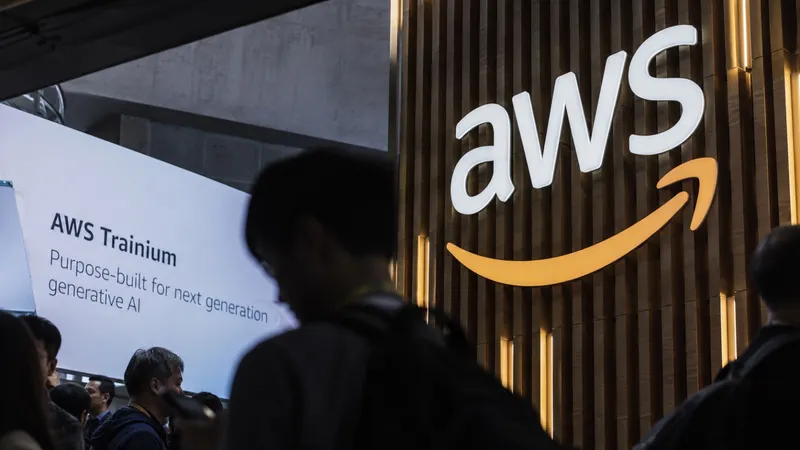
A different number matters more. About two-thirds of SI revenue came from a single customer, labeled "Customer B." Bloomberg, citing anonymous sources, reported that the customer is Anthropic. If that is right, one company accounts for about 34.5% of total revenue, or roughly $5 billion. Neither company has officially confirmed the customer's identity.
AI turns profitable, but the investment is not yet recovered
The SI segment posted third-quarter operating income of $431 million, its first profitable quarter. Year-to-date operating losses still total $3.3 billion. One profitable quarter does not prove the profitability of the whole business.
The spending is large. SI capital expenditure alone was $16.4 billion in the third quarter. Company-wide capex guidance for the fourth quarter is $35 billion to $40 billion. The CFO said the payback period on new computing investment is under one year at current prices. That is management's judgment, and it needs to be checked against actual cash flow over time.
The Anthropic contract: termination terms matter more than revenue
The Anthropic contract is worth up to $120.5 billion through 2029. Contracted revenue of about $3.1 billion a month is scheduled to begin in December. But the contract is not guaranteed in perpetuity. Anthropic can terminate with 90 days' notice, starting in January and March 2027.
The headline total should therefore not be treated as locked-in revenue. If Anthropic expands its own infrastructure or moves volume to other suppliers, SpaceX's growth rate and capacity utilization could both be affected. An unnamed Customer A accounts for another 16.6% of revenue. There is speculation that it is government-related, but that is not a confirmed fact.
Utilization matters more than speed of growth
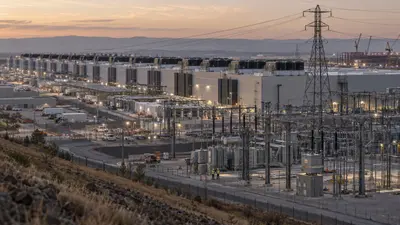
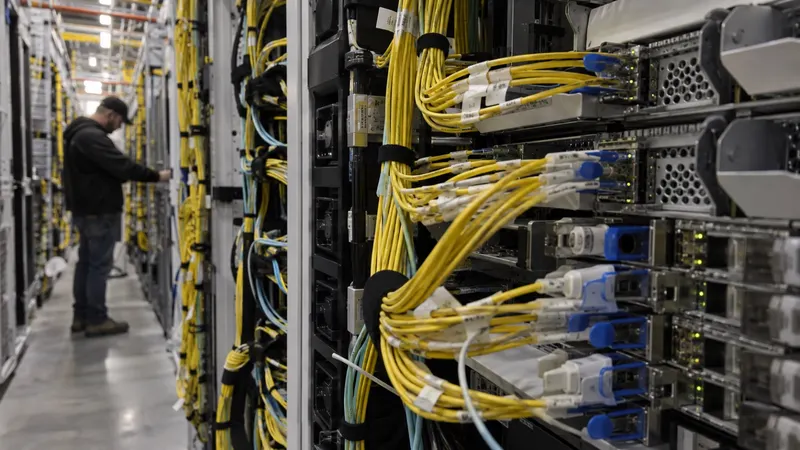
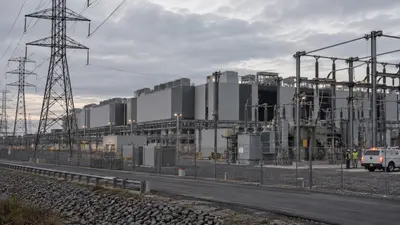
SpaceX's computing capacity is expected to rise from 1.7 GW at the end of the third quarter to 2.5 to 3 GW by year-end. Elon Musk said he would be surprised if capacity were below 13 GW by the end of 2027. That is closer to a target than to reported results.
If customers do not use the added capacity enough, depreciation and operating costs weigh more heavily. Musk argues that demand is currently several times supply. He also expects more than 200 neocloud companies to disappear or merge. Rising AI demand and supplier profitability are separate questions.
A 42x revenue multiple: expectations already priced in
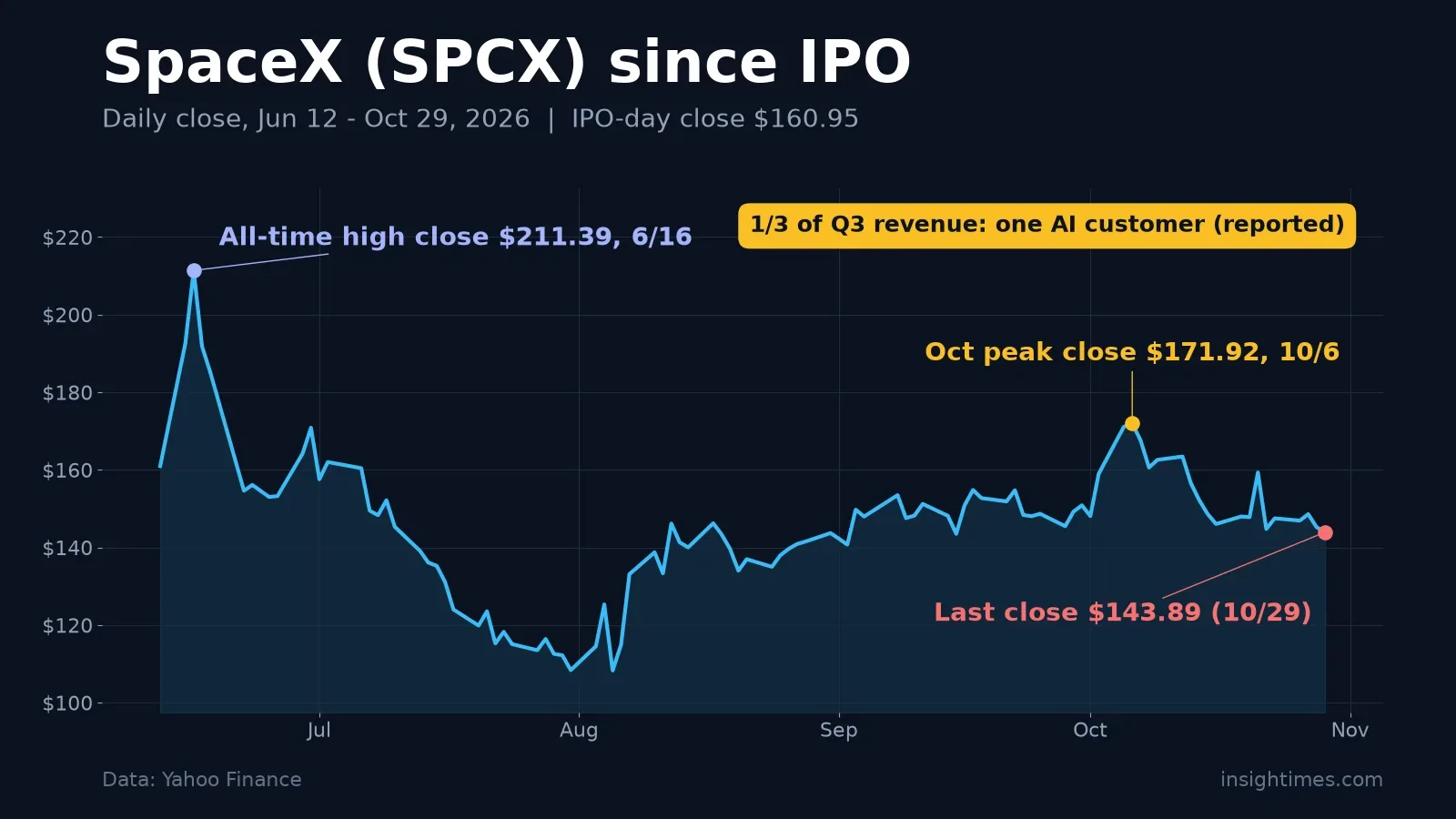
SpaceX (SPCX), which listed on Nasdaq on Friday, June 12, closed at $143.89 on Thursday, Oct. 29. That is about 32% below the post-listing closing high of $211.39 on Tuesday, June 16, about 16% below the Oct. 6 closing high of $171.92, and about 11% below the first-day close of $160.95. Even so, its market value of about $1.95 trillion is roughly 42 times expected 2026 revenue of $45.9 billion.
About 23% of third-quarter net income also came from one-time items. Valuing the stock today means looking at recurring earnings and cash flow without them.
First-quarter 2027 revenue guidance of $33 billion to $37 billion and a backlog of $63 billion support the growth case. A backlog, however, is not revenue already realized.
The space business has to hold up too
Beyond AI, SpaceX has Starlink as a base business, with 13.6 million consumer subscribers across 174 service markets. Starship Flight 14 reaching orbit and the deployment of 26 V3 satellites are important steps toward expanding the satellite network.
Starmind, the orbital data center concept, is a story for 2027 and later. It is hard to count it as confirmed revenue that justifies today's valuation.
INSIGHT TIMES VIEW: A proving period
Long-term investors have three things to watch. Does the Anthropic contract hold? Does the 2027 capacity expansion turn into actual revenue and cash flow? Can Starship repeat stable launches and satellite deployments?
There is no reason to dismiss SpaceX's growth potential. But high growth and good investment returns are not the same thing. At 42 times revenue, even a small disappointment could move the stock sharply.
This looks closer to a stretch in which expectations are tested against results. Even for those who believe in the long-term story, spreading purchases across price levels and time, rather than buying all at once, may be a reasonable approach. The better response to a single headline is neither excitement nor fear, but a calm check of the numbers that matter: contract retention and cash flow.
Insight Times Editorial Desk