Jensen Huang Is Nvidia's Edge. Could He Also Be Its Biggest Risk?
An independent board probe raises a question for long-term holders: does Nvidia's real strength sit with Huang himself, or with the organization and technology he built?
The 20-second read
1. Investigating the CEO while backing the CEO
Could Nvidia be what it is today without Jensen Huang? The question for investors in this case is not curiosity about one person. It is whether the company can sustain itself.
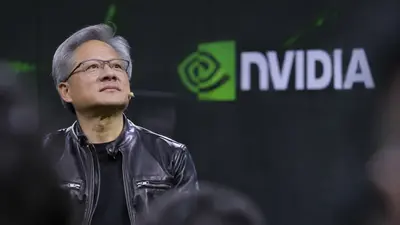
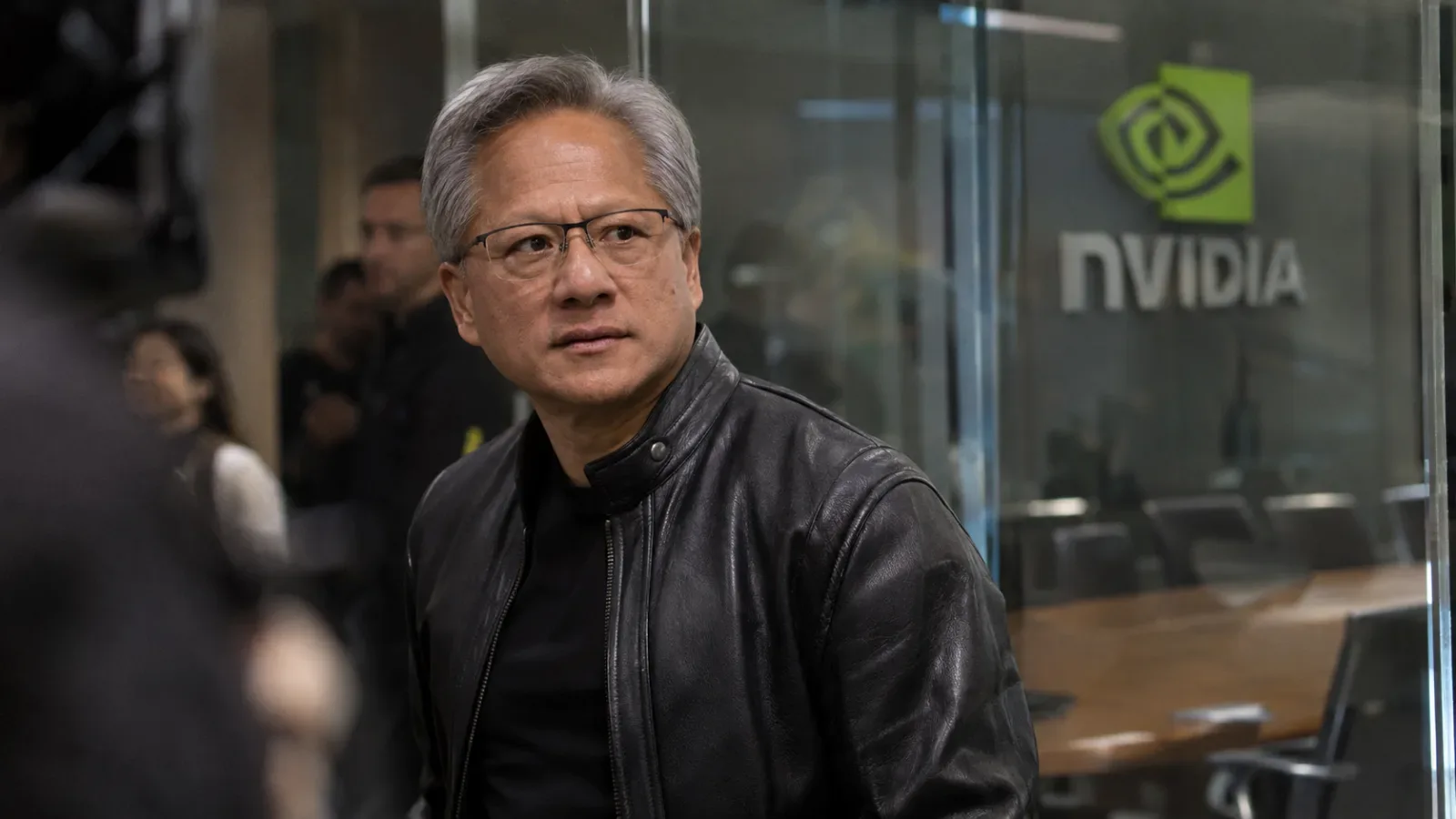
On Nov. 8, Nvidia's board said it would open an independent investigation into reports that Huang was targeted by foreign intelligence activity. A committee of independent directors and outside legal counsel will oversee the probe.
The board also said it had no reason to believe U.S. national security or company confidential information had been compromised, and it expressed confidence in Huang and management. Huang will cooperate with the investigation and keep running the company.
The point is not to rule on guilt or innocence in advance. It is whether the structure works that subjects even a trusted CEO to independent review.
2. Controversy is not the same as business impact
The issue raised in Reuters and Washington Post reports is Huang's relationship with a former Megaspeed executive. The reports say U.S. authorities are understood to have judged that person to be linked to Chinese intelligence. Megaspeed is a buyer of Nvidia's AI chips and has been under separate scrutiny over export controls on China.
But the board's statement contained no new export restrictions, no canceled customer contracts, no supply disruption and no revision to the earnings outlook. That does not mean every risk has gone away. It does mean the allegations in the reports should not be turned straight into lost revenue.
Two risks investors should separate
- Business outlook: What has actually changed? Look for concrete shifts in customer deals, product shipments, the supply chain and earnings guidance.
- Governance: Can the company control the risk? Look at the independent probe, security procedures, export-control compliance and how effective CEO oversight is.
The size of the news and the size of the earnings impact are not the same. The first thing to check is real change in the business.
3. Huang's ability and Nvidia's moat are not the same thing
Huang's leadership is a strength. But explaining Nvidia's competitiveness by one person's judgment alone misses the assets that matter most.
Those assets are the CUDA ecosystem that developers have built up, GPU design capability, the systems-integration skill to optimize chips and servers together, customer relationships, and the research organization that keeps advancing all of it. None of these is sustained by a CEO's reputation alone.
Founder-led management can speed up decisions. The flip side is that when key judgments and outside relationships concentrate too heavily in one person, a problem involving that person can spread into uncertainty for the whole company.
A company with a strong founder is different from a company that is weak without one. Long-term investors need to assess that difference.
4. The real test is the board and the organization
Announcing an independent probe is the start of oversight. But starting a process does not prove independence. Investors should watch whether the scope is wide enough, whether outside experts are substantively involved, and how the findings and any needed actions are explained.
Another yardstick is consistency. If export-control and security rules are strict for rank-and-file employees but carved out for the top executive, the control system is weak. It also matters whether customer support, R&D and product supply could continue if executives were absent or had to step back.
A good board does not simply defend the founder. It protects the company, founder included.
- Not necessarily. When it started the investigation, the board clearly expressed confidence in CEO Huang and management. Investors are better off judging the investigative process and how effective the follow-up results are than the statement of confidence.
- It's too early to say either way. The statement provided mentions no new restrictions, contract cancellations, supply disruptions, or changes to guidance. To judge the real impact, you need to see whether related transactions, shipments, or the company's outlook change.
- On one side, a rushed reading that ties the allegations straight to weaker earnings. On the other, ignoring oversight risk out of faith in the founder alone. It makes sense to track the two risks separately.
What to watch
Insight Times Editorial Desk