Oracle Sets a Date for AI Payback: $30 Billion in Free Cash Flow by Fiscal 2029
Oracle laid out when its AI data center spending should start returning cash: positive free cash flow in the second half of fiscal 2028 and more than $30 billion in fiscal 2029. The plan only works if contracts hold and customers can pay.
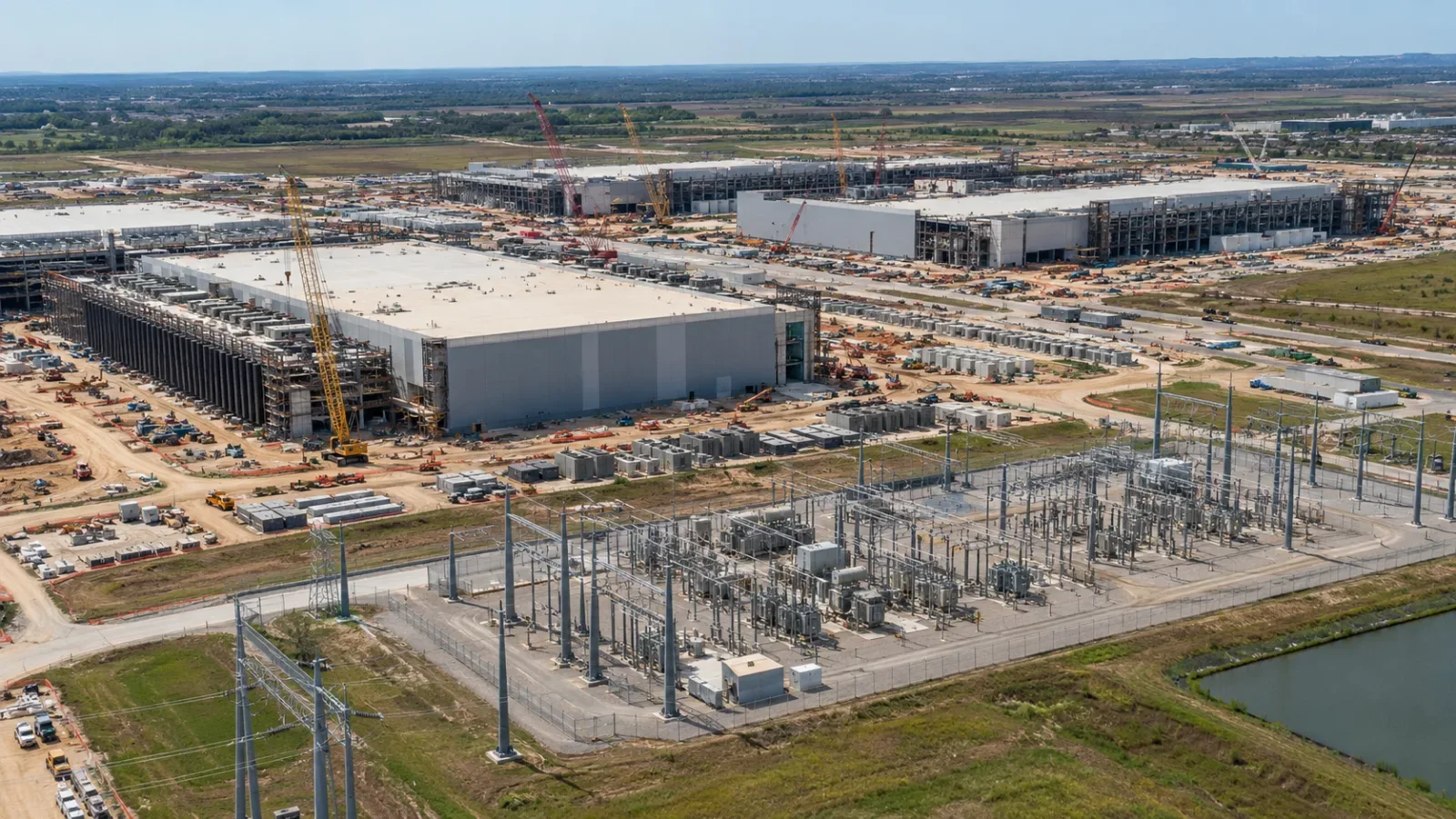
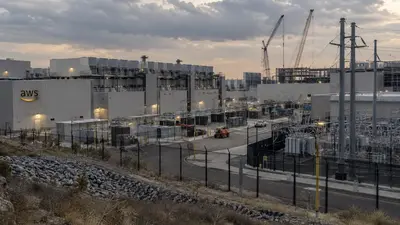
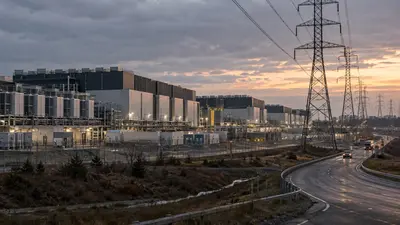
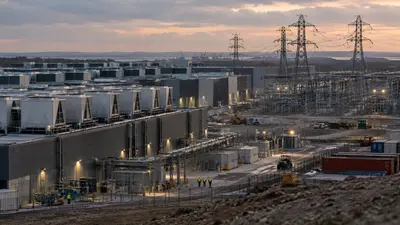
Oracle has given investors a concrete timetable for recovering the money it is pouring into AI data centers. The targets: positive free cash flow (FCF) in the second half of fiscal 2028, and more than $30 billion in fiscal 2029. The question for investors now is less how many data centers Oracle builds and more how much cash the operating business leaves behind.
1. AI data centers spend first and earn later
The cash flow profile of an AI data center business differs from that of ordinary software.
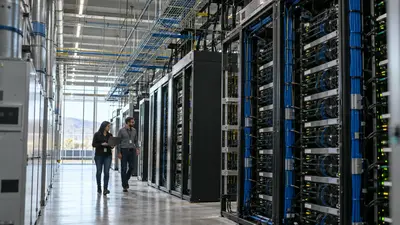
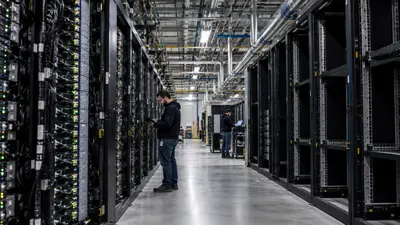
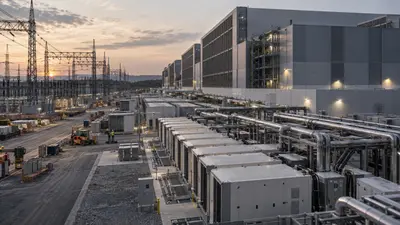
A company must put up large sums first for servers, GPUs, power and cooling. Cloud fees from customers, by contrast, arrive over the life of the contract. Revenue can grow quickly while the cash left in the company stays thin.
The key metric here is free cash flow.
FCF = operating cash flow - capital expenditures (CapEx)
Negative FCF alone does not mean an investment has failed. It can easily occur in a period when spending on future capacity is concentrated.
The issue is how long that state lasts, and when the business starts generating the cash it needs to fund its own growth.
2. The cash flow turning point Oracle laid out
At its Investor Day on October 28, Oracle published financial targets for the period after its AI infrastructure buildout.
| Item | Oracle's target |
|---|---|
| Fiscal 2027 revenue | More than $90 billion |
| Second half of fiscal 2028 | FCF turns positive |
| Fiscal 2029 | FCF of more than $30 billion |
| From fiscal 2029 | Growth investment funded internally |
| Fiscal 2030 revenue | More than $225 billion |
| Fiscal 2030 adjusted operating margin | 40% or more |
| Fiscal 2030 adjusted EPS | $21 or more |
All of these are future goals, not achieved results or confirmed cash receipts. The adjusted operating margin and EPS are also non-GAAP figures.
One point stands out. The company expects capital spending to peak in fiscal 2027 and 2028, then decline from fiscal 2029.
In that scenario, data centers already built generate revenue while the cash burden of new capacity eases. Both changes have to line up for FCF to improve.
Note that the second-half fiscal 2028 turn refers to cash flow in that period. It does not mean all of fiscal 2028 is positive.
3. What the $20 billion in additional financing means
Oracle also said it will cap additional capital markets financing through fiscal 2030 at $20 billion.
That breaks down into $10 billion of equity and $10 billion of debt.
Two exclusions matter.
First, refinancing of existing debt. Repaying maturing debt with new debt does not count against the cap.
Second, the $20 billion of equity already issued in the first quarter of fiscal 2027.
So the $20 billion cap should not be read as Oracle's total funding burden or a ceiling on its total borrowing.
Still, it is a meaningful commitment for long-term investors. If Oracle does fund growth investment from its own cash, there is room for less shareholder dilution from new equity and less new borrowing.
4. What if customers and suppliers share the cost?
Oracle described three ways to ease the cash outlay.
| Method | Effect on cash flow | Risk to check |
|---|---|---|
| Customer-provided hardware | Customers supply some equipment themselves, reducing Oracle's upfront purchases | Responsibility for operating the equipment and cost sharing if contracts change |
| Customer prepayments | Cash arrives before service is delivered and can fund early investment | Future service obligations and contract retention |
| Supplier financing | Equipment payments are deferred, easing early cash outflow | Future payment obligations, financing costs, maturity concentration |
These methods can reduce the initial cash burden, but they do not make the investment cost disappear.
When customers provide hardware, they take on part of the equipment purchase. Prepayments mean customers fund the project first. Supplier financing moves the timing of cash payments into the future.
So even if Oracle's quarterly FCF improves, it is worth separating whether the cause is stronger operating performance or improved working capital and payment timing.
5. Good long-term contracts do not guarantee cash recovery
Several conditions have to hold for the economics of AI data center investment to work.
First, long-term customer contracts have to stay in place. A large contract book does not deliver the expected cash flow if service delivery, revenue recognition and collection do not follow.
Customer solvency also matters. If the finances of customers using large-scale infrastructure weaken, a gap can open between the headline size of a contract and how much is actually collectible.
Finally, utilization. Servers and data centers have to be used heavily enough to cover power, depreciation and maintenance while still earning an adequate return.
High utilization does not automatically mean strong profitability, though. The price paid by customers and total operating costs matter as well.
This article is for investment education and information only and is not a recommendation to buy or sell any security.
Insight Times Editorial Desk