AWS Has Most of Its 2027 AI Compute Booked. That Is Not the Same as a Return
Customers are now contracting compute that has not been built yet. Sold-out capacity and a return on capital are different questions.
Compute that has not been built is already selling
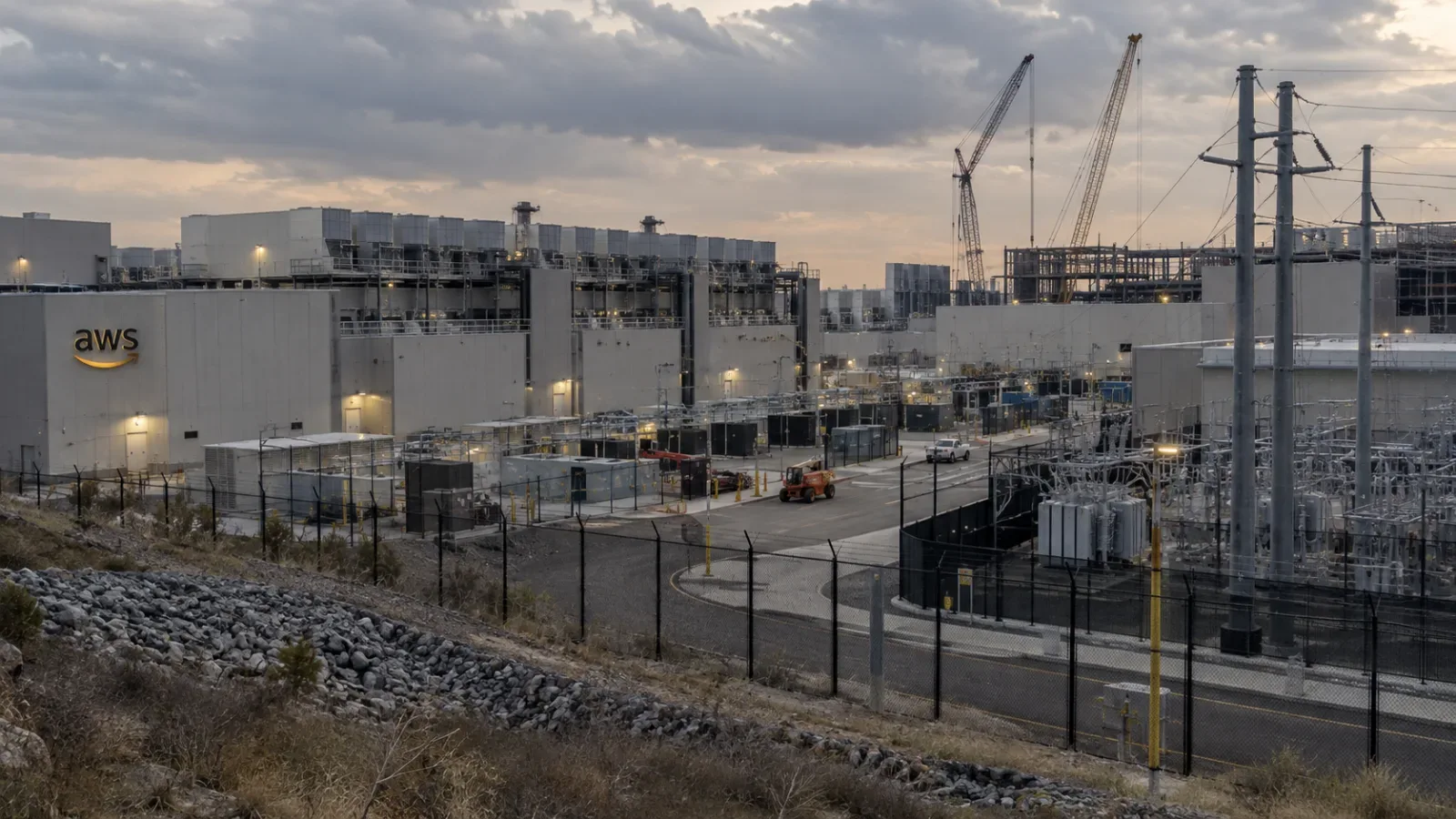
Andy Jassy said in a video podcast interview released Oct. 23 that AWS's large-scale compute capacity is effectively mostly reserved through 2027. A considerable share of 2028 supply has also been allocated to customer contracts, he said.
The key point: this does not mean every AWS server is sold out.
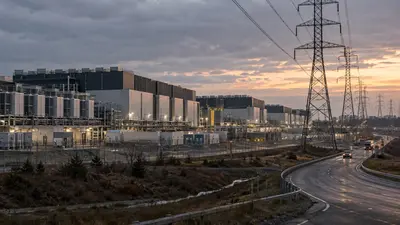
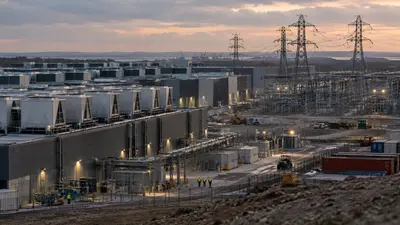
AWS keeps a certain amount of capacity for on-demand services such as EC2 and Bedrock. The bookings are concentrated in the compute infrastructure used for large-scale AI training and inference.
In traditional cloud, customers typically used as many servers as they needed and paid for that use. In large-scale AI infrastructure, customers are trying to lock in computing power years ahead.
That is a signal of tight supply. It is also a signal that the contract structure of the cloud business is changing.
Evidence on the other side of the AI overbuilding debate
One central argument about AI is whether massive capital spending is running ahead of real demand.
AWS's long-dated bookings are evidence that, for at least some large customers, demand is strong enough to justify securing future computing power in advance.
Three things need to be kept apart.
| Term | Meaning |
|---|---|
| Capacity reservation | A customer's contract or usage commitment for future compute resources |
| Revenue recognition | Accounting revenue that arises as services are actually delivered under the contract |
| Return on investment | The economic result after operating costs, cost of capital and other charges |
A high reservation rate can improve visibility into future revenue. But contract prices, minimum usage obligations and termination terms are not public, so reserved capacity cannot be valued as locked-in revenue.
A statement that most capacity is contracted is not enough to calculate contract value or future operating profit.
What does $220 billion in capex earn?
Amazon's total capital spending plan for 2026 is about $220 billion.
That figure is not AWS alone. It covers Amazon's entire business.
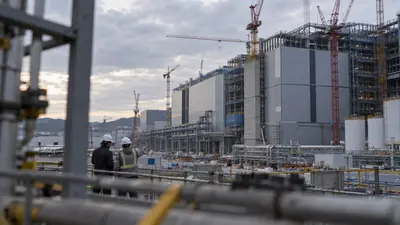
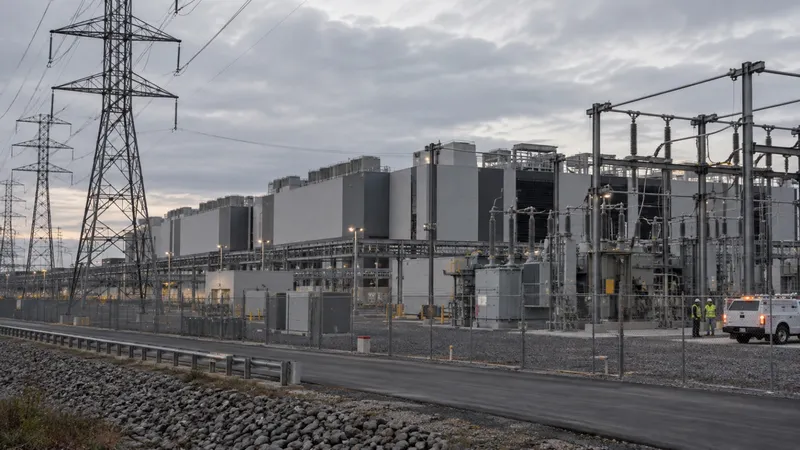
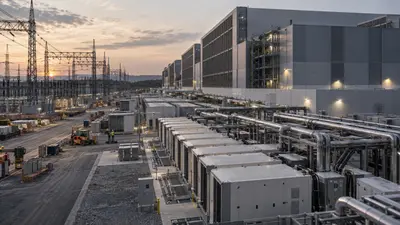
In AI data centers, buying GPUs and servers does not complete the project. Power supply, cooling, networking and construction schedules all have to line up before service can be delivered.
The harder question is economic life.
GPUs eventually compete with newer chips. Even if the equipment is still powerful enough, the rates customers are willing to pay can fall.
So a high booking rate today does not guarantee a high return on capital tomorrow.
If AWS's long-term contracts carry adequate pricing and usage obligations, they can reduce the risk of the large investment. If competition pushes rates lower or facilities come online late, profitability could fall short of expectations despite strong demand.
Who gains, and who carries the risk?
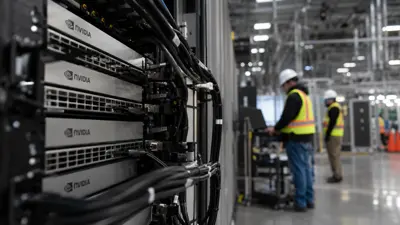
In the near term, strong demand for compute infrastructure favors Nvidia, Broadcom, and suppliers of memory and networking equipment.
But growth in AWS's in-house AI chip, Trainium, could change the competitive picture inside the supply chain.
Amazon has an incentive to deliver the performance customers need at lower cost. AWS growth and gains in Nvidia's market share should therefore not be read as the same event.
Amazon faces both opportunity and risk.
Long-term contracts improve demand forecasting, but data center construction and equipment purchases are paid for before the revenue arrives. Even if AWS revenue grows quickly, Amazon's free cash flow could be under pressure for some time.
The next phase of AI infrastructure competition is unlikely to be only about who secures the most GPUs. How long the secured compute can be sold, and at what utilization and profitability, will likely drive valuations.
Insight Times Editorial Desk