When Jensen Huang Left Nvidia, Some Companies Looked More Exposed Than Nvidia Itself
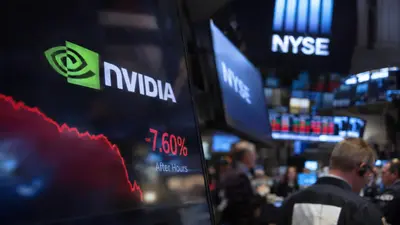
CoreWeave, Nebius and IREN fell in premarket trading after Huang's exit. The worry was probably not AI demand but the funding behind firms that borrow to build on Nvidia's support.
The 20-second read
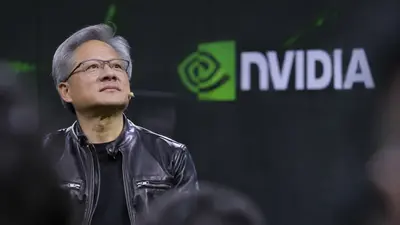
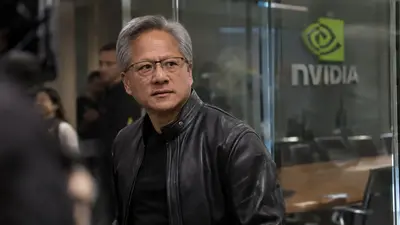
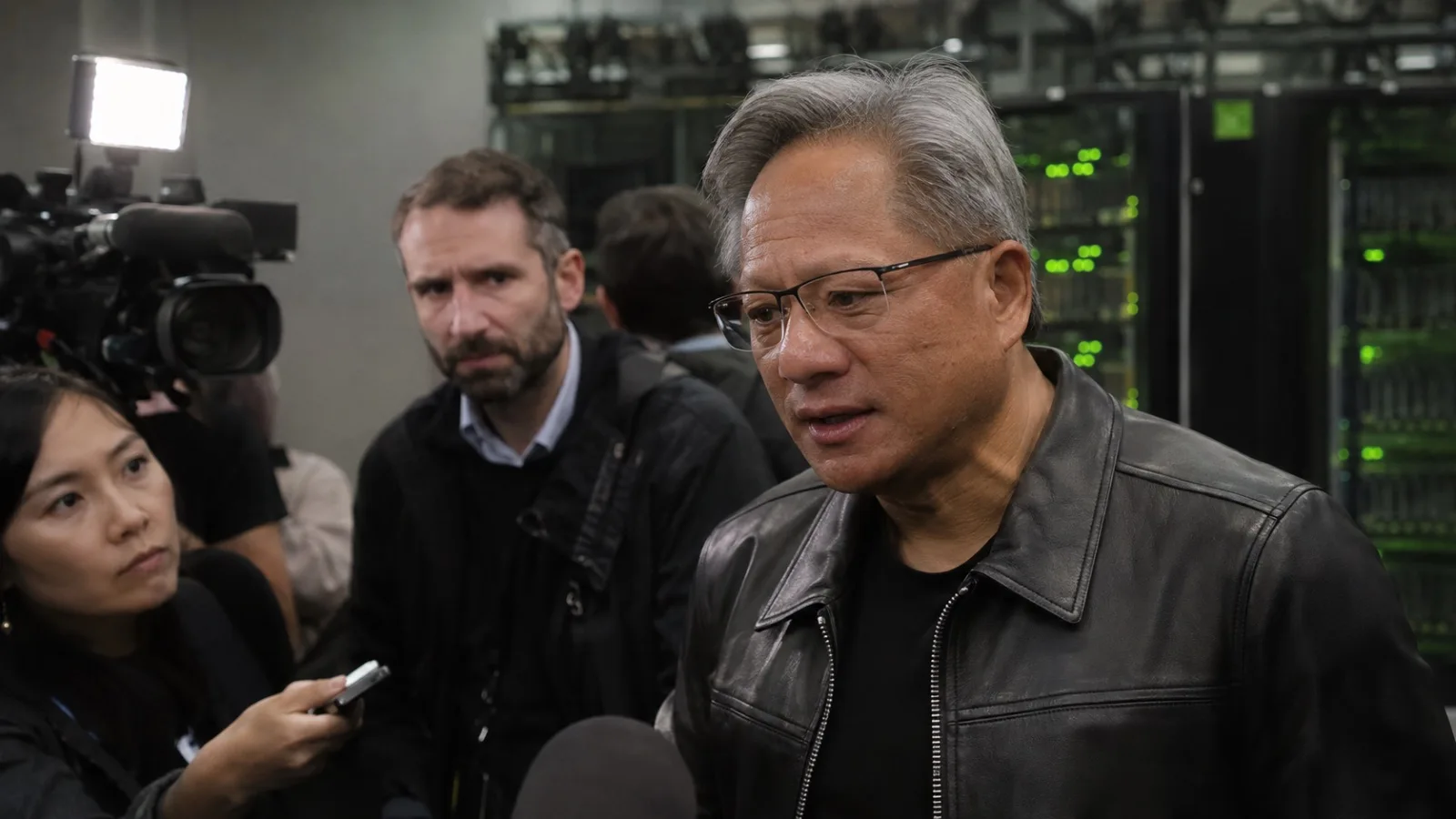
On Nov. 12, 2026, Nvidia announced that Jensen Huang, the face of the AI industry, was stepping down as CEO. He had led the company for 33 years, since founding it in 1993. The shock did not stop at Nvidia's share price.
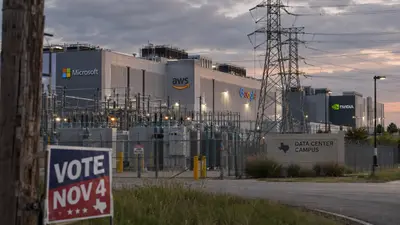
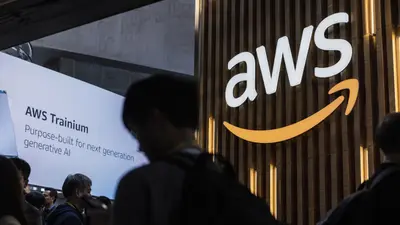
The reaction was most interesting among AI cloud companies that use Nvidia GPUs in bulk. The best-known is CoreWeave.
CoreWeave had jumped roughly 25% the day before on its latest results. Third-quarter 2026 revenue rose 168% from a year earlier. When news of Huang's resignation arrived the next day, the stock fell about 13.6% in premarket trading. Nebius dropped about 20% over the same period, and IREN also fell.
AI demand did not vanish overnight, and no GPUs suddenly broke in data centers. So what were investors afraid of?
01. Nvidia was never just a GPU seller
Nvidia's business looks simple at first. AI companies need GPUs for computing, and Nvidia supplies them. In recent years, though, Nvidia has done more than sell chips. It has helped drive investment and infrastructure expansion across the AI industry.
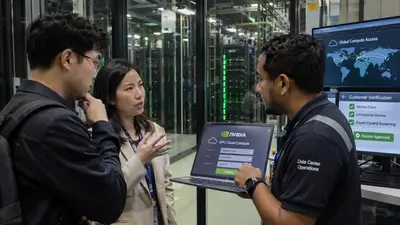
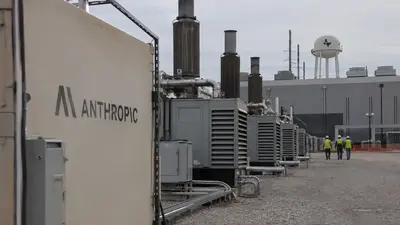
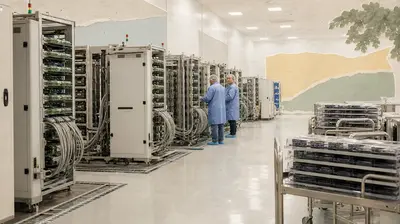
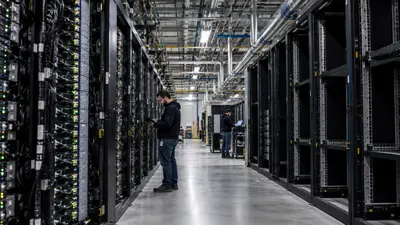
CoreWeave is a good example. It secures large numbers of Nvidia GPUs, builds data centers, and rents computing power to AI companies and large customers. Such companies are called neoclouds. They compete with traditional general-purpose clouds by offering infrastructure specialized for AI workloads.
The problem is money. Tens of thousands of GPUs, data center equipment and power infrastructure require enormous upfront capital. Customers pay fees over several years, but the company has to pay for the build now. The faster the business grows, the more it depends on borrowing and outside financing.
Nvidia enters the picture directly here. In January 2026, Nvidia expanded its partnership with CoreWeave with an additional $2 billion equity investment. But one contract drew more attention than any stock purchase.
02. A promise to buy the GPU capacity that goes unused
In September 2025, Nvidia and CoreWeave signed a cloud capacity purchase agreement with an initial value of $6.3 billion. Under it, Nvidia buys, on certain terms, computing capacity that CoreWeave's customers have not used. The contract is designed to run through April 2032.
Think of a hotel. If you borrow heavily to build one and the rooms sit empty, repaying the loan gets hard. Now suppose a financially strong corporation promises to use some of the empty rooms that meet certain conditions. The operator can forecast revenue more easily, and lenders can factor the contract into their assessment of demand risk.
The CoreWeave-Nvidia relationship works similarly. It is not an unconditional guarantee of all GPU revenue. There are limits on what can be purchased, whether the service can be delivered, and termination terms. Still, it is clearly a contractual device that lowers some of the risk of unsold capacity.
How the neocloud growth structure works
| What Nvidia provides | GPU supply, equity investment, conditional capacity purchase commitments |
| What CoreWeave does | Buys GPUs, builds data centers, sells compute to AI customers |
| Strength of the structure | Long-term contracts give demand visibility and help fund expansion |
| Risk of the structure | Dependence on a business partner, high upfront costs, borrowing and refinancing burden |
When CoreWeave grows, chip sales and infrastructure demand rise together.
Nvidia benefits too. The more data centers CoreWeave builds and the more GPUs it adopts, the more product Nvidia can sell.
When things go well, this structure is a powerful growth engine. But as a supplier invests in its customer and also buys that customer's leftover capacity, investors start to ask: Is this demand created independently by end customers, or accelerated by funding from inside the ecosystem?
That is where the recent debate over "circular financing" in AI begins. Such contracts do not make all revenue fictitious. The point is that the flow of funds has to be separated from what end customers actually spend.
03. What the market feared after Huang left
Huang was central to Nvidia's ecosystem, not only as a technologist but as the person linking customers, cloud providers, data center operators and AI labs. His leadership symbolized the industry's aggressive expansion.
The question the market asked after his exit is simple: "Will new management back customers just as actively?"
Concerns centered on the possibility that Nvidia would not expand new equity investments or capacity purchase commitments as aggressively as before, or that its capital allocation priorities would change. Nvidia named Colette Kress, its CFO, as interim CEO.
One distinction matters. The CEO change is confirmed. It has not been confirmed that existing CoreWeave contracts were scrapped, or that Nvidia decided to stop supporting investments. Agreements already signed stay in force under their own legal terms. A change in management does not void them automatically.
Prices do not reflect only confirmed facts. The mere possibility of a policy shift can raise the risk premium. Companies that must keep raising funds are especially sensitive to it.
04. Why is explosive revenue growth still risky?
CoreWeave's latest results show that fast growth and a heavy financing burden can appear together in the AI industry.
- Third-quarter 2026 revenue: $3.661 billion, up about 168% from a year earlier
- Net loss, same quarter: $709 million (GAAP)
- Net interest expense, same quarter: $846 million, larger than operating income of $207 million
Source: CoreWeave third-quarter 2026 earnings release. Figures in U.S. dollars.
Revenue grew strikingly fast. But net interest expense of about $846 million far exceeded operating income of about $207 million that quarter. Those numbers alone do not mean a cash shortage or an imminent default. They do show how heavy the financial burden of a capital-intensive business can be.
The company's 2026 capital expenditure forecast is $37 billion to $39 billion. The business requires spending vast sums up front to grow.
The economic life of GPUs is another variable. When newer chips arrive, the price and rental appeal of older GPUs can weaken. If lenders value the future residual and collateral value of GPUs conservatively, refinancing could get harder. This risk varies with contract length, GPU generation and collateral structure.
05. Same AI industry, different shock
TSMC and Micron are also important AI companies. Neither is free of Nvidia's business plans or the AI investment cycle. But their customer mix and the way they earn money differ from neoclouds.
Companies that make and supply GPUs and chips depend on product sales and manufacturing capability. Neoclouds build large assets first and must recover the cost from customer fees over a long period. Borrowing costs, new investment funding, utilization and minimum purchase commitments in contracts therefore weigh heavily on returns.
| Group | Main business | Risks investors watch most |
|---|---|---|
| Nvidia | AI accelerators and related platforms | Durability of demand, competition, supply chain, ecosystem investment policy |
| TSMC, Micron | Foundry and memory production | Capex cycle, pricing, customer concentration |
| Neoclouds such as CoreWeave | Building and renting AI compute infrastructure | Borrowing and interest, utilization, customer contracts, refinancing |
Companies grouped as neoclouds also differ from one another. CoreWeave, Nebius and IREN have different customer mixes, debt, funding and Nvidia-related contracts. Nebius's drop was also affected by the company saying 2026 revenue would land at the low end of its earlier forecast range.
It is therefore not accurate to blame every sharp decline on Huang's resignation. The moves look more like a common shock overlaid with each company's financial structure and own results.
06. Three things AI investors should watch now
- Nvidia's new capital allocation policy. Separate the fulfillment of existing commitments from any new investments or cloud capacity purchase deals. The size and terms of new contracts could show how strongly the ecosystem is being backed.
- Neoclouds' real cash generation. Look beyond revenue growth to operating cash flow, capex, interest expense, net debt, maturity profile, customer prepayments and the quality of long-term contracts.
- Who ultimately keeps the gains from AI growth. GPU makers, memory suppliers, data center operators and application companies do not earn the same growth or shareholder returns. Some companies must put in more capital first as the AI industry grows.
The episode does not have to be read as the end of the AI industry. A CEO change does not erase the computing power of GPUs, and companies' AI adoption plans are not all canceled overnight.
But believing in a technology's growth potential is different from trusting a company's balance sheet. Some companies earn cash as AI grows. Others must keep borrowing heavily just to take part in that growth.
A company in a good industry is not necessarily a good stock.
The real question the market asked after Huang left is this: "Even without Nvidia pushing from behind, can this company survive and grow on its own?"
The analysis and scenarios in this article are interpretations based on public information and are not a recommendation to buy or sell any security. Market prices and outlooks may change after publication.
- It fell about 13.6% in premarket trading.
- Nebius dropped about 20%, and IREN also moved lower.
- In September 2025, they signed a capacity purchase commitment with an initial size of $6.3 billion.
- Under it, Nvidia buys, under certain conditions, computing capacity that CoreWeave's customers do not use.
- The agreement is designed to run through April 2032.
- Nothing confirms that it does.
- Commitments already made stay in place under their legal terms, and a change in management does not cancel them automatically.
- However, it has not been confirmed whether Nvidia will increase new investment as much as before.
- In the same quarter, net interest expense was $846 million, larger than operating income of $207 million.
- The net loss was $709 million.
- These numbers alone do not mean a funding crunch. They do show, though, that the financing burden is heavy.
- That is hard to say.
- Nebius was also affected by its statement that 2026 revenue would come in at the low end of its earlier forecast.
- The reaction is most likely each company's financial structure and results layered on top of a shared shock.
What to watch
Insight Times Editorial Desk