Companies Pledge More AI Spending, and Wall Street Sells: Marvell Falls 12.72%
Oil dropped and manufacturing improved, but questions about how AI infrastructure gets funded, and when it pays off, weighed on tech. Who foots the bill is starting to separate winners from losers.
The 20-second read
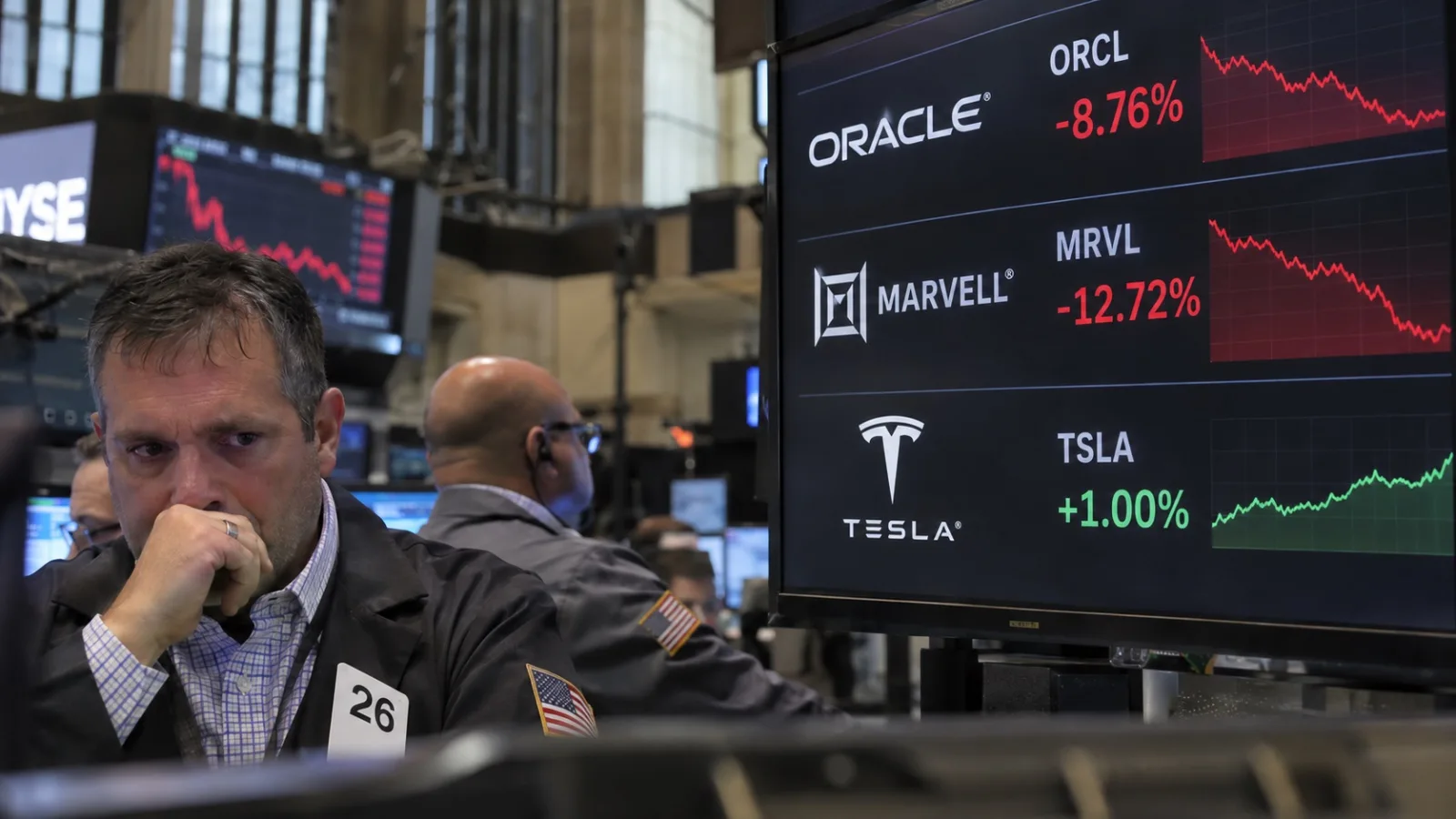
U.S. stocks, Monday, Nov. 2: Marvell -12.72%, Oracle sharply lower, Nasdaq -1.07%.
1. Oil plunged. Why did the Nasdaq fall anyway?
U.S. stocks could not hold an early bounce on Nov. 2. The S&P 500 was up more than 1% at one point but closed down 0.51%. The Nasdaq fell 1.07%. The Dow rose 0.41%.
| Major index | Close | Change |
|---|---|---|
| S&P 500 | 7,541.40 | -0.51% |
| Nasdaq | 25,164.32 | -1.07% |
| Dow | 51,983.98 | +0.41% |
| Russell 2000 | 2,805.88 | -0.21% |
| SOXX | $453.65 | -3.79% |
A sharp drop in Brent crude helped energy-sensitive sectors such as airlines and travel. The October ISM manufacturing PMI also improved to 55.5 from 54.5 in September.
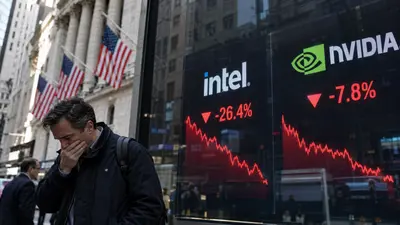
Tech still failed to rebound. The bigger worry was not recession. It was when, and how much, the huge sums poured into AI businesses will come back as profit.
2. Oracle and Marvell expose a new burden of AI investment
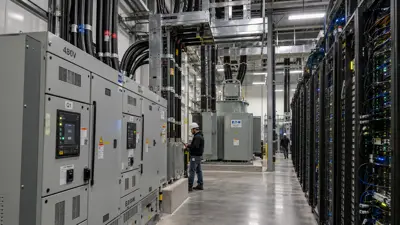
$20 billion in funding. Oracle laid out a plan to raise $10 billion in bonds and $10 billion in equity. The money would go toward expanding AI cloud infrastructure. It also raises interest costs on the debt and dilution for existing shareholders.
A $115 billion acquisition. Marvell agreed to buy optical networking company Lumentum in an all-stock deal. Existing Marvell shareholders would own about 67% of the combined company. The deal has strategic value in securing AI connectivity technology, but the market worried about the high price and integration risk.
The two cases share a thread. Both companies are investing in AI market growth, and the cost that existing shareholders must bear to secure that growth has risen.
Marvell's announcement is not evidence that demand for optical networking is weak. The key questions are how much future growth is already built into the purchase price, and whether profitability can actually improve after the deal.
3. The selloff hit the AI supply chain unevenly
- Marvell: -12.72%
- Intel: -8.80%
- CoreWeave: -8.60%
- AMD: -7.52%
- Micron: -5.78%
- SOXX: -3.79%
- Nvidia: -1.26%
- Broadcom: -1.18%
Bars in the original chart show the absolute value of each closing move on one scale.
Nvidia (-1.26%) and Broadcom (-1.18%) held up relatively well. Memory, storage and server names fell harder. Micron dropped 5.78%, Sandisk 6.59%, Dell 7.43% and Super Micro Computer 7.62%.
The whole AI supply chain did not break equally. Selling was heaviest in companies where borrowing burdens, company-specific earnings worries and high price expectations overlapped.
4. What set Tesla's gain apart?
Tesla rose 1.00% to $403.82. It touched $414.23 intraday.
News that it will expand its robotaxi service in Fort Worth supported growth hopes for its autonomous driving business. In effect, a different driver was at work than the one that judges AI infrastructure companies on their capital-raising burden.
Still, Tesla also carries a lot of future growth in its price. The number of service areas is not the only thing that matters. Investors will likely watch how the number of vehicles in operation, paid ride volume, revenue per vehicle and operating costs change.
If expanding robotaxi cities is the first step in showing the business can scale, long-term value depends on how profitable that expansion turns out to be.
- It is a cushion in that the decline did not spread across all sectors.
- But tech stocks carry a large weight in the major indexes, so whether the Nasdaq stabilizes also matters.
- Industry growth and an individual company's return on investment are separate matters.
- First consider how high acquisition prices, debt and share issuance change the value per share.
- A manufacturing PMI above 50 signals expansion.
- However, the input price index is high at 75.2, so inflation pressure remains.
- The key point of this session is not that expectations for AI have disappeared. It is that the cost of realizing those expectations has begun to be built into corporate valuations.
What to watch
Insight Times Editorial Desk