Intel Plunges 28.58%, SOXX Breaks 200-Day Line: What Really Drove the AI Chip Selloff
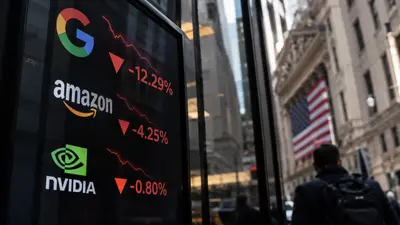
The Nasdaq fell 2.86% and the Philadelphia Semiconductor Index dropped 7.20%. AI demand has not vanished. The market is recalculating how much money the buildout takes and how long it takes to earn it back.
A Day When Chips Took the Worst of It
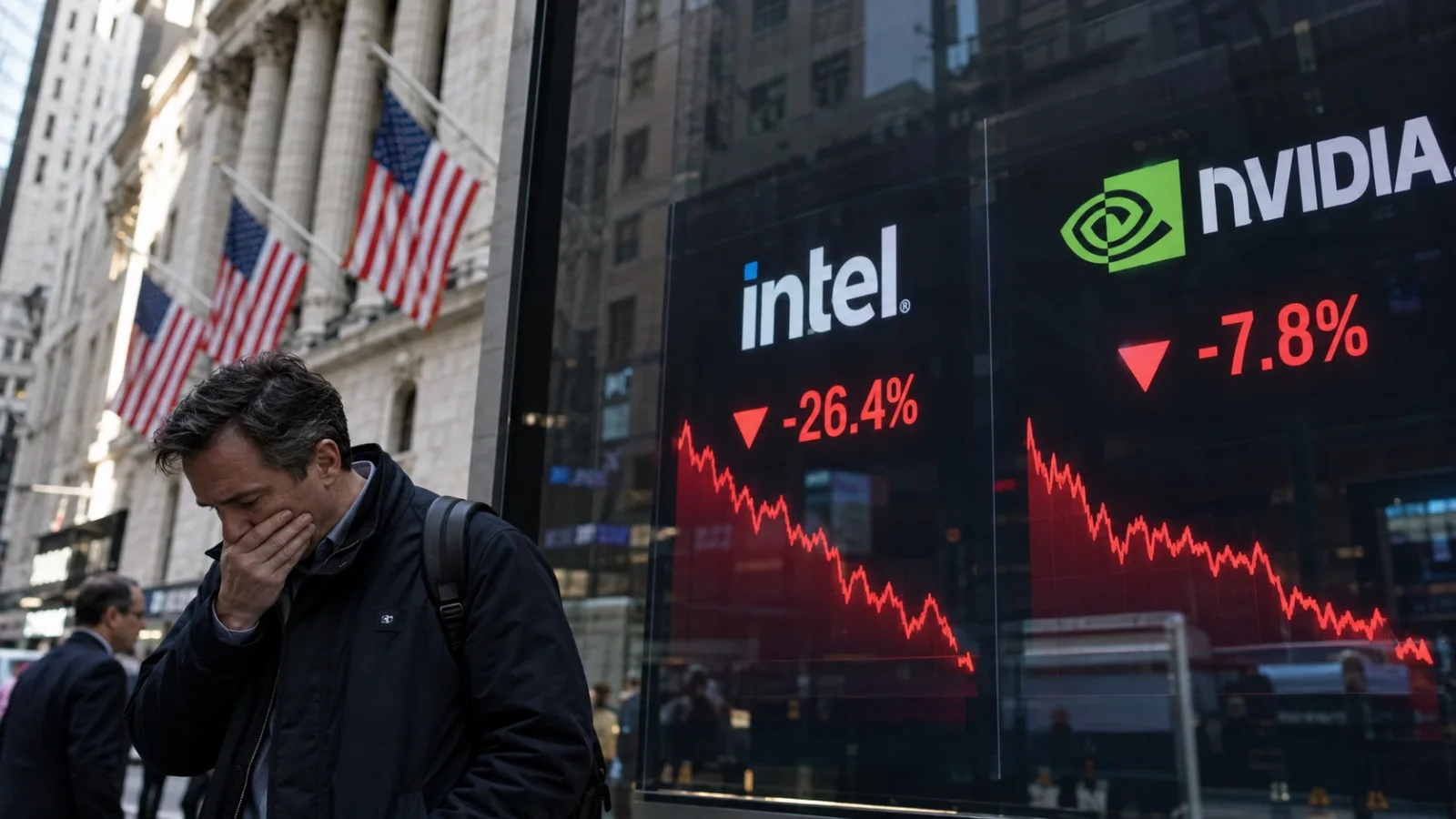
On Friday, Oct. 30, the Dow closed at 51,770.31 (-1.09%), the S&P 500 at 7,580.07 (-1.82%) and the Nasdaq Composite at 25,437.00 (-2.86%). The Philadelphia Semiconductor Index fell 7.20%. The chip ETF SOXX dropped much more than the broad market, closing at $471.51 (-8.24%).
Energy, consumer staples and utilities rose. The session looked less like the market pricing in a broad recession and more like a stricter re-run of valuations for companies tied to AI spending.
If AI Is Growing, Why Sell Chips?
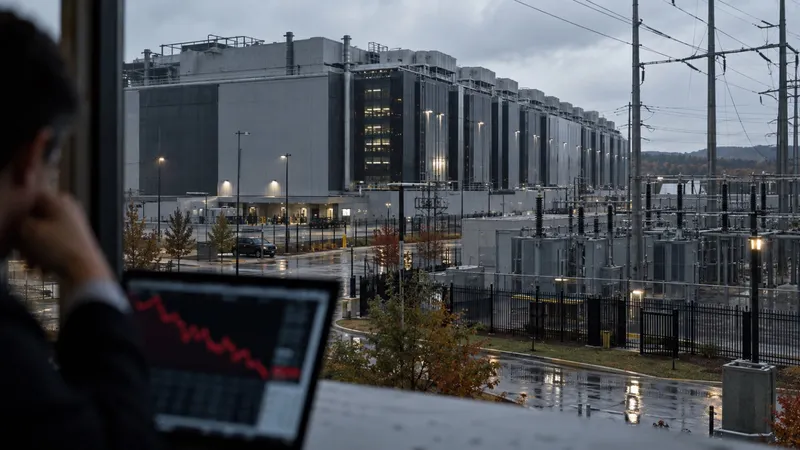
Amazon's third-quarter AWS revenue was about $46 billion, up 39% from a year earlier. Yet its trailing 12-month free cash flow was -$42.4 billion. Alphabet's third-quarter capital spending of $51.4 billion exceeded its operating cash flow of $42.3 billion. Both companies are showing growth and cash burn at the same time.
Keep spending rising and the strain falls on customers' cash flow and cost of capital. Cut spending and expectations for future revenue at Nvidia and the equipment makers could fall. That dilemma is what unsettled the market. Still, higher spending does not by itself signal a financial crisis. Customer demand and long-term cash generation have to be weighed together.
Intel's Shock Is Not the Same as an AI Demand Collapse
Intel closed at $65.76, down 28.58%. Third-quarter revenue was $16.51 billion, but its fourth-quarter revenue guidance of $15 billion to $16 billion fell short of the $17.07 billion the market expected. Its non-GAAP earnings per share outlook of $0.25 is below the $0.52 of the third quarter.
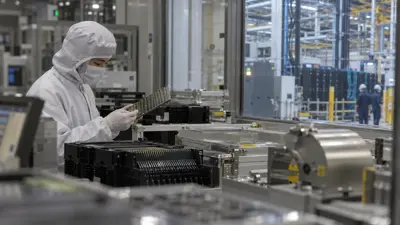
The core explanation is that rising memory prices and tight supply are weighing on PC makers' costs and orders. It is a paradox: AI demand lifts memory and squeezes the traditional PC market. It would be a stretch to read this as evidence that demand has slowed for all AI chips, including high-bandwidth memory (HBM).
SOXX Loses Its 200-Day Line; Tesla Holds Up Better
SOXX closed at $471.51, below its 200-day moving average of $476.37. Nvidia closed at $204.64 (-4.22%), close to its 200-day line at $204.38. A moving average is an average of past prices, not a verdict on future earnings. But it is a zone where trading tends to cluster, which is reason enough to prepare for more volatility.
Tesla held up relatively well, closing at $399.81 (-0.87%). Its growth story is split across autonomous driving, energy storage and robotics, which makes it different in character from the AI data center spending debate. That relative strength does not guarantee future profitability or a higher share price.
Insight Times Editorial Desk