Colossus 2 Bets on Power Before Chips to Win the AI Infrastructure Race
SpaceXAI has a top-tier compute site, a large customer contract and a profitable AI segment. Its edge is how fast it can supply compute, and the proof is still to come in earnings and contracts.
The 20-second read
The deciding factor in AI infrastructure is shifting
GPUs are not the only scarce resource in the AI data center race. A company can buy hundreds of thousands of chips, but without power it books no revenue. That gap is why SpaceXAI's Colossus 2 is drawing attention. The company is building a model that pairs its own power generation with energy storage, then brings large compute sites online quickly and supplies them to customers.
What a top-tier compute site shows
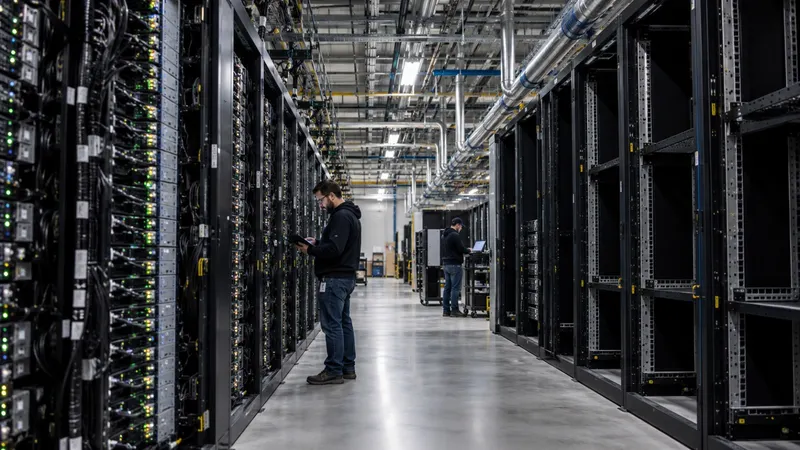
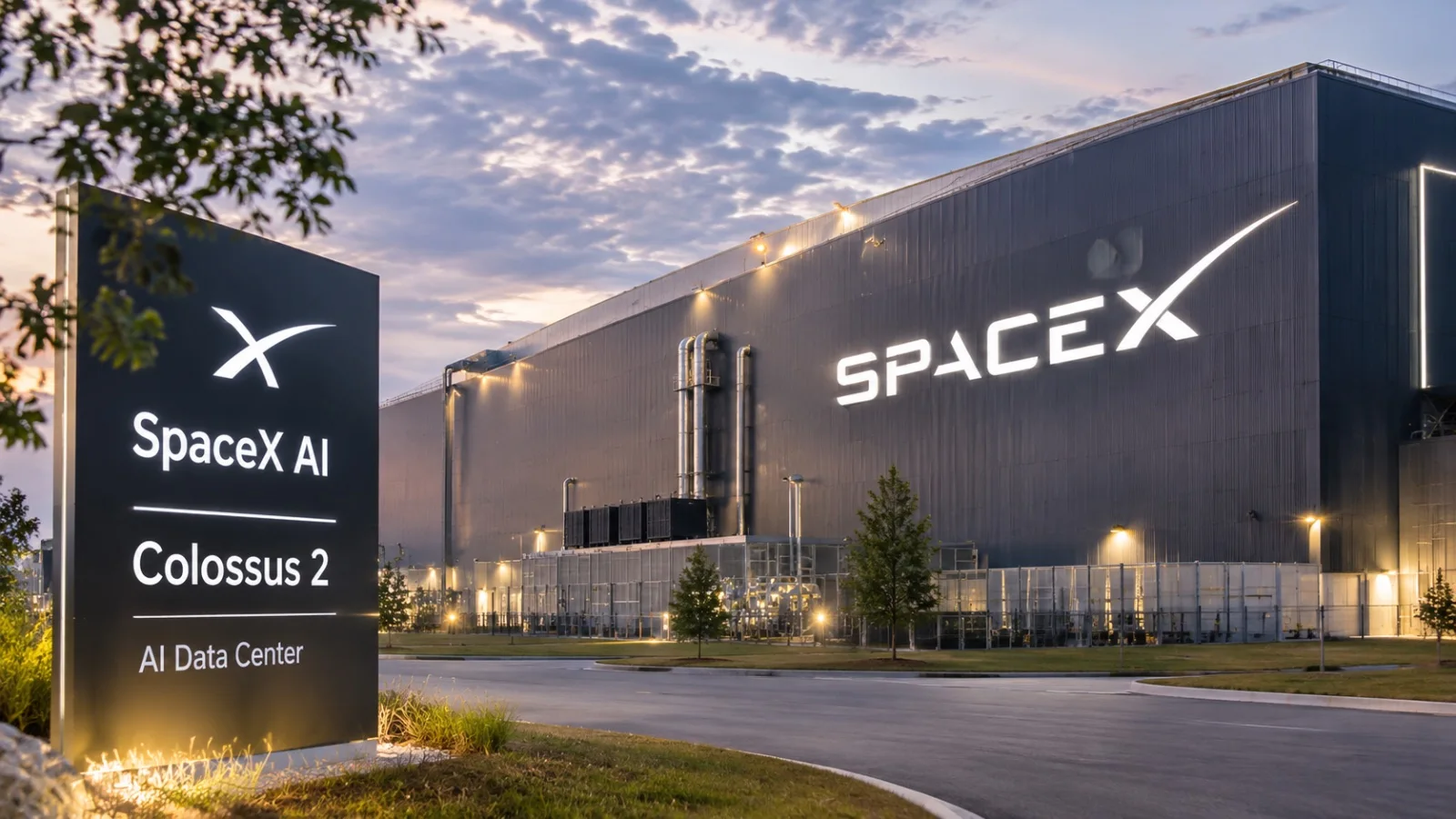
Epoch AI estimates Colossus 2's IT power at about 946MW, with compute equal to roughly 1.11 million H100s. The H100-equivalent figure is not a count of installed GPUs. It is a yardstick for comparing performance across chip generations. Building a single site at this scale suggests SpaceXAI is growing beyond an AI research group into an operator of large compute infrastructure.
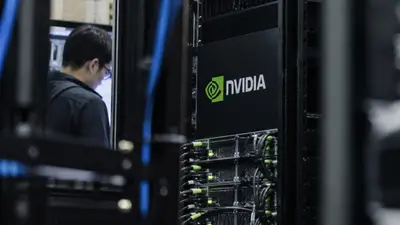
The company is expanding around Blackwell-generation B200 and B300 chips and separating training from inference workloads. That split matters. Customers do not want to own GPUs. They want compute available when they need it, and fast supply can become a contract advantage.
A model that does not wait for the grid
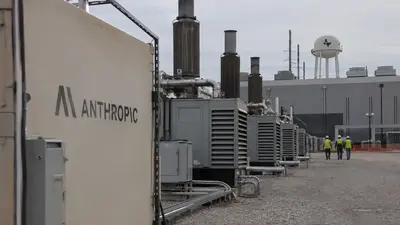
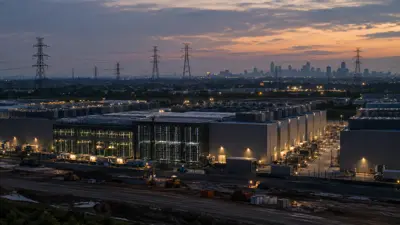
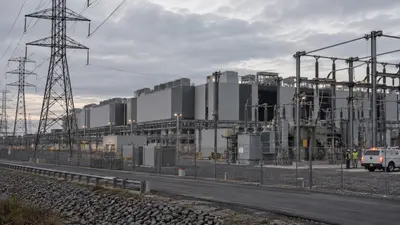
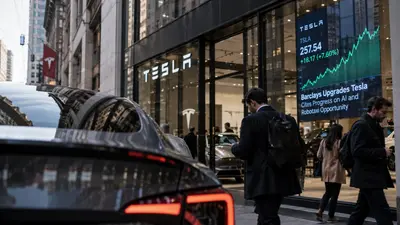
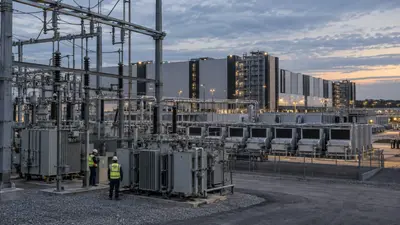
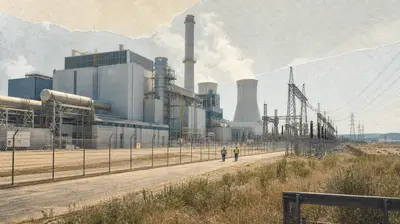
What sets Colossus 2 apart is how it secured power. Rather than wait for a grid connection, it used gas-turbine generation on site and storage such as Tesla Megapacks to bring the site online sooner. Batteries do not replace a generation source, but they help with load swings and peak demand.
The point is not construction speed in itself. It is that SpaceXAI can supply compute and sign customers while rivals wait for power connections. When demand for AI compute is high, that time gap could widen into differences in pricing leverage and facility utilization. Environmental permitting and disputes over gas turbine operations remain problems to solve. Even so, turning the power bottleneck into a business opportunity is strategically significant.
AI becomes the center of revenue
In the third-quarter 2026 figures provided, Super Intelligence segment revenue was $7.56 billion, nearly triple the roughly $2.561 billion of the prior quarter. Operating income swung to a profit of about $431 million. The segment also topped Connectivity revenue of $5.248 billion in the same quarter, a sign of a changing business mix.
That revenue includes acquired software and AI services as well as compute rental, so it cannot be read as all data center leasing. Still, it matters that spending on large compute sites has begun to show up in business results. The company has moved from future plans to being tested on revenue and operating profit.
The Anthropic contract and growth visibility
In the contract materials provided, Anthropic's compute commitment tied to SpaceXAI is put at up to $120.5 billion through 2029. Spending of about $3.1 billion a month at full operation is also mentioned. The maximum commitment is not revenue already recognized. Actual income depends on capacity being delivered in stages.
Even so, long-term contracts of this size weigh heavily in capital spending decisions. A supplier can plan expansion on expected demand, and a customer can lock in the compute it needs over years. Reliance on a small number of customers has to be managed. But a major AI lab choosing SpaceXAI as a core infrastructure partner supports the competitiveness of the model.
Vertical integration, from Tesla to Terafab
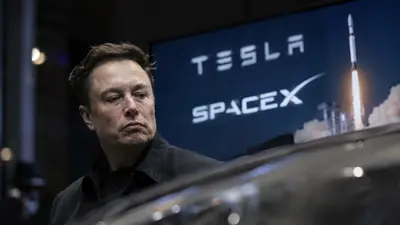
SpaceXAI's potential lies less in the size of one data center than in the links between businesses. Tesla Megapacks support power operations, SpaceXAI supplies compute, and software such as Grok and Cursor creates compute demand and customer touchpoints. Terafab, a longer-term effort, is an attempt to bring chip supply in-house as well.
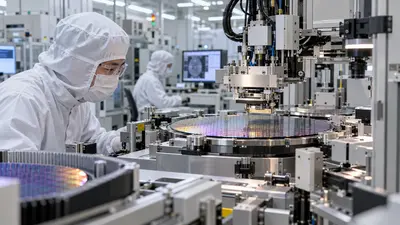
Terafab's 2028 mass-production target is still an execution task. Advanced-chip yields and equipment procurement need to be proven. But the direction is consistent: manage cost and supply schedules for power, data centers, chips and AI services together. For Tesla investors, expanded Megapack supply is a direct opportunity. The benefit of SpaceXAI's growth should be judged separately, with attention to the deal structure between the companies and capital allocation.
- The key is not the GPUs themselves but the ability to secure power and facilities and deliver real computing capacity quickly.
- No. It also includes software and AI service revenue. Still, it is a positive sign that AI infrastructure investment is being tied to actual results.
- It improves visibility into long-term demand and supports the large-scale expansion. Actual revenue recognition depends on capacity delivery and contract terms.
- Expanded Megapack supply is a direct business opportunity. However, SpaceXAI's cloud profits do not automatically flow to Tesla.
What to watch
Insight Times Editorial Desk