Oil at $116 Weighs on Wall Street as Chips Bounce and AI's Real Test Begins
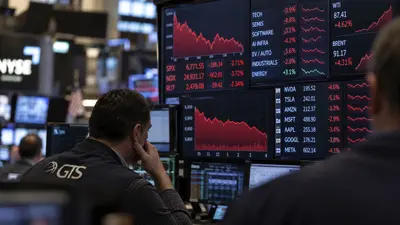
US stocks fell Friday as Brent crude jumped, but semiconductors rebounded modestly after a sharp selloff. Markets are weighing a Middle East inflation shock and doubts over the returns on AI capital spending.
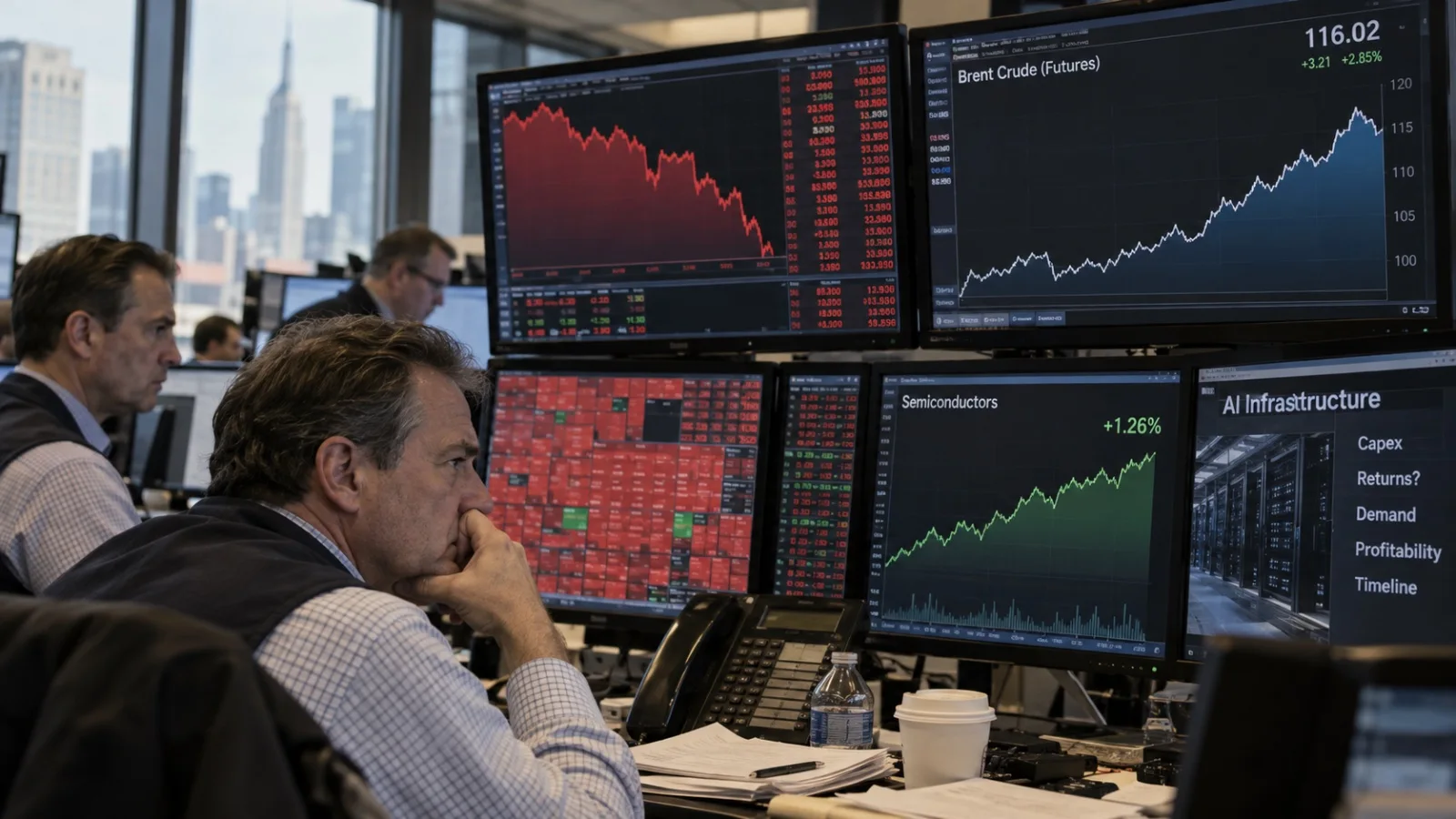
US stocks stumbled on Oct. 23 as crude oil surged. The Dow Jones Industrial Average fell 1.23%, but semiconductors, which dropped sharply the day before, bounced modestly. Markets are digesting a Middle East inflation shock and worries about the profitability of AI capital spending at the same time.
1. Same selloff, different mood
| Index | Change | Close |
|---|---|---|
| Dow | -1.23% | 52,215.16 |
| S&P 500 | -0.52% | 7,623.68 |
| Nasdaq | -0.21% | 25,955.34 |
| Russell 2000 | -0.29% | 2,775.90 |
| Philadelphia Semiconductor Index | +0.44% | 10,779.46 |
| SOXX | +0.53% | $478.20 |
The Dow's decline was 1.02 percentage points larger than the Nasdaq's. That is a different pattern from the day before, when tech stocks dragged down the broader market.
Energy shares benefited from higher oil. Companies exposed to rising transport and production costs came under pressure. Some dip buying showed up in chips.
Still, Friday's bounce is hard to read as a trend reversal. For the week, the S&P 500 fell about 0.5% and the Nasdaq about 0.7%. A one-day rebound should be separated from a week of weakness.
2. Higher oil is a cost shock, not a growth signal
| Crude | Price | Change |
|---|---|---|
| Brent | $116.72 | +3.14% |
| WTI | $103.27 | +3.82% |
Attacks on Middle East energy facilities and fears of supply disruption added a geopolitical risk premium to crude. This rise looks more like supply anxiety than a demand boom.
The problem is that oil costs pass through to companies and consumers. When gasoline and logistics costs rise, spending power shrinks, and companies must choose between raising prices and accepting lower margins.
The 10-year Treasury yield also rose, to about 4.99%. Prolonged high rates hurt growth stocks, whose distant earnings are discounted to the present. Companies borrowing to build data centers also carry higher financing costs.
Even so, it is not certain that higher oil will translate into lasting inflation. What matters is less how high oil goes than how long it stays there.
3. Chip industry growth is not the same as returns on AI investment
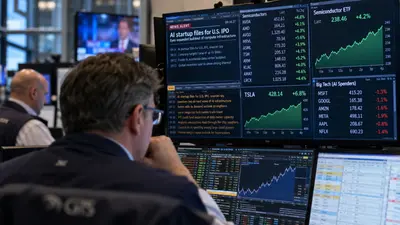
On Friday the semiconductor index rose, but Nvidia fell 0.59% and Broadcom fell 0.48%. Micron, AMD and TSMC, by contrast, drew buyers. Chips did not all move in the same direction.
The structure of AI investment explains why.
How money moves through AI investment
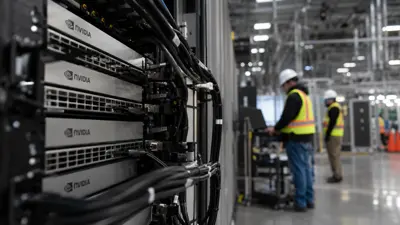
- Hyperscalers and AI infrastructure companies put capital into data centers and GPUs.
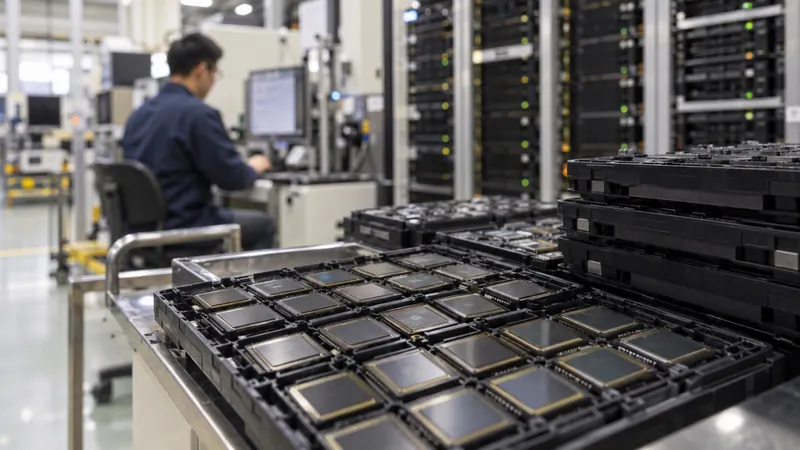
- Capital spending flows to suppliers as revenue: chipmakers, memory and server suppliers see higher shipments, sales and capacity.
- Commercial services and cloud revenue are meant to produce payback on the investment, which is tested by customer demand, utilization, margins and free cash flow.
Rising revenue at chip suppliers is evidence that customers spent the money. It does not guarantee those customers a return on it.
With rates near 5%, the financial gap could widen between big tech companies that invest from abundant internal cash flow and AI infrastructure companies that rely heavily on borrowing.
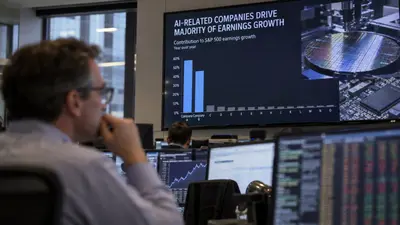
The claim that AI demand is growing is not the same as the claim that every company investing in AI will earn high returns. The market has started to question the second one.
4. The same question applies to Tesla
Tesla closed at $372.22 on Oct. 23, down 0.63%.
Third-quarter 2026 revenue was $28.05 billion, and adjusted earnings per share were about $0.48. But net income attributable to common shareholders under GAAP was $787 million, down from a year earlier. That is why adjusted results and GAAP profitability need to be read together.
The growth potential of future businesses such as robotaxis and Optimus remains an important part of the investment case. But investors need to check more than technical feasibility. The key is whether the commercialization timeline, the scale of capital outlays, unit economics and actual cash flow are improving together.
This standard is not unique to Tesla. The judgment that AI's future is bright and the judgment that today's share price is fair need to be made separately.
Market fear shows up in numbers, but opportunity tends to be found in how those numbers are interpreted. Next week, the question is less how much is being spent on AI than how efficiently that money is coming back.
Insight Times Editorial Desk