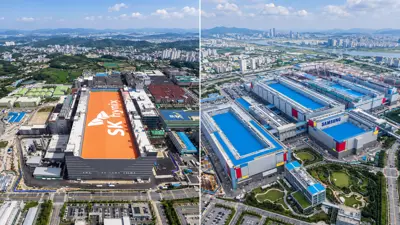
Nasdaq +1.05%, SOXX +2.07%: AI Server Demand Climbs the Wall of a 5.15% Yield
Tech led a rebound on Wednesday as Super Micro's raised outlook turned AI hopes into revenue numbers. Mixed after-hours reactions to Tesla, Meta and Lam Research now test whether it lasts.
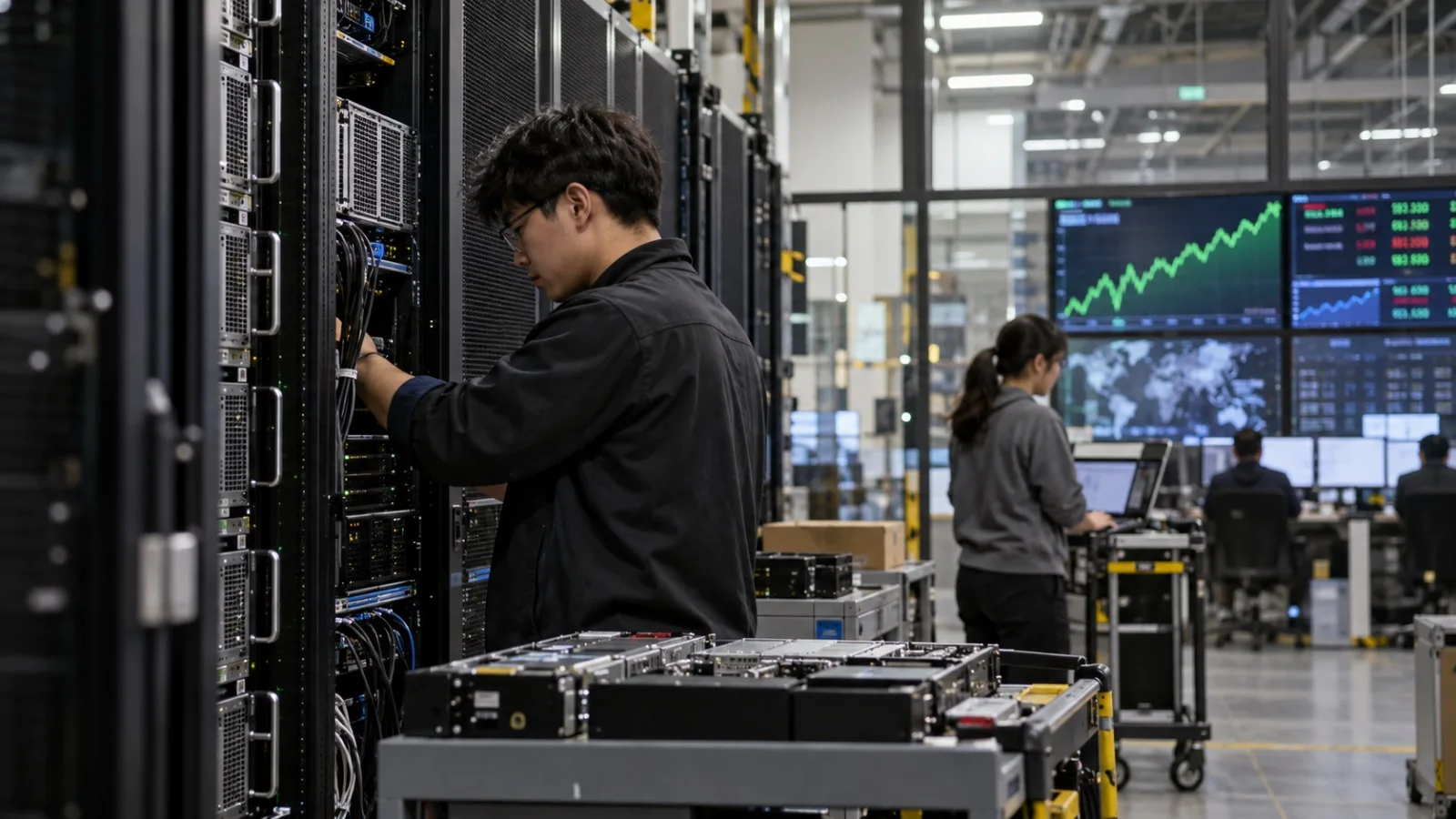
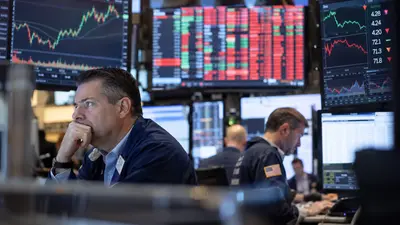
U.S. stocks extended a tech-led rebound on Wednesday, Oct. 21, as hopes for AI turned into concrete corporate revenue forecasts. After the close, reactions to earnings from Tesla, Meta and Lam Research diverged, so the next session will test how durable the bounce is.
Who rose matters more than how much
| Major index | Oct. 21 close | Change |
|---|---|---|
| S&P 500 | 7,757.17 | +0.58% |
| Nasdaq | 26,702.86 | +1.05% |
| Dow | 52,856.09 | +0.69% |
| Russell 2000 | 2,781.02 | +0.27% |
| SOXX | $510.36 | +2.07% |
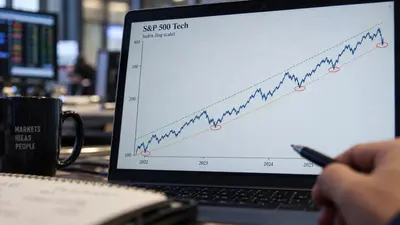
The Nasdaq beat the Russell 2000 by 0.78 percentage point, and SOXX beat the Nasdaq by 1.02 points. The lead came from AI infrastructure, not from cyclical stocks broadly.
Nvidia rose 2.54%, AMD 3.36%, TSMC 1.60%, Micron 1.96%, ASML 2.81% and Dell 5.27%. GPUs, memory, foundry and servers all moved together.
Not every AI name rose. Oracle fell 1.53%, CoreWeave 0.50% and Alphabet 1.62%. Investors appear to have picked companies that can turn rising demand into revenue, rather than betting on AI across the board.
Super Micro answers doubts about AI demand with numbers
- Revenue outlook midpoint: $15B to $19B (+26.7%)
- Gross margin outlook midpoint: 10.6% to 12.25% (+1.65 points)
The day's main catalyst was Super Micro's raised outlook. The revenue midpoint rose 26.7%, from $15 billion to $19 billion. The gross margin midpoint rose 1.65 points, from 10.6% to 12.25%.
Higher revenue and better profitability at once matter. They ease some concern that server makers are cutting prices aggressively to grow sales.
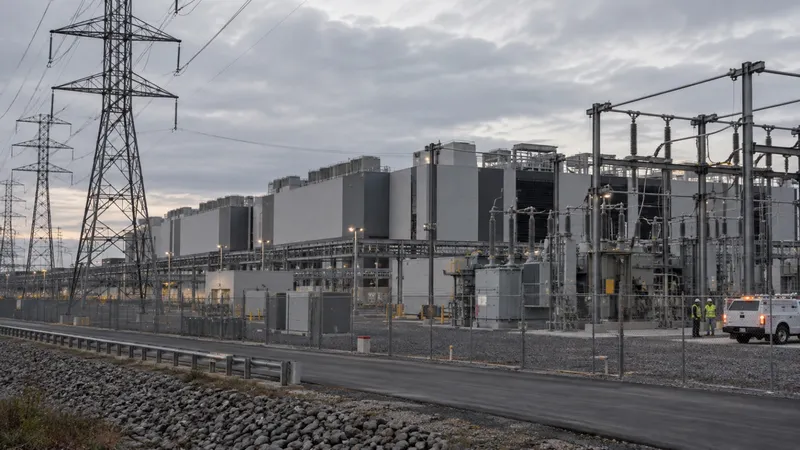
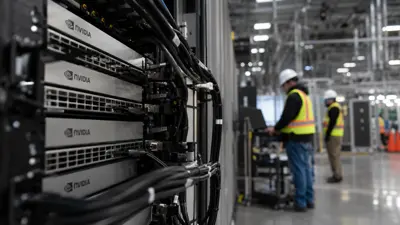
An AI server holds more than GPUs. It also needs HBM, DRAM, networking gear and cooling systems, so server demand can pass through the whole supply chain.
Still, Super Micro's guidance does not confirm added revenue for Nvidia or Micron. Benefits depend on customer mix, component sourcing and actual delivery schedules. The figures are unaudited preliminary estimates, and final results are due Nov. 3.
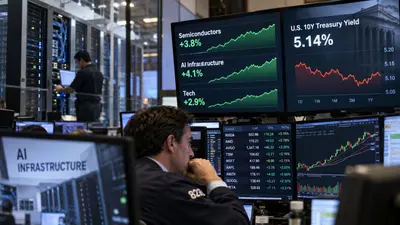
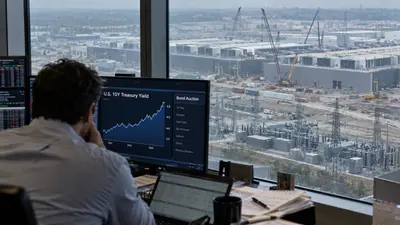
Tech rose despite a 5.15% yield and $110 oil
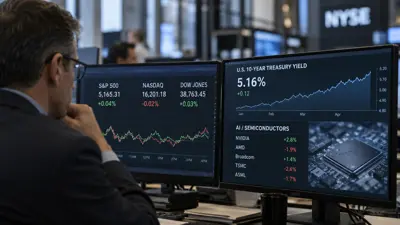
The 10-year Treasury yield was about 5.15% and Brent crude near $110 a barrel. Neither is friendly to growth stocks.
Higher yields cut the present value of future earnings, and expensive oil raises business costs and inflation worries. The Nasdaq still gained more than 1%.
The move is better read as AI server demand expectations temporarily outweighing the macro burden than as an improvement in rates or oil.
The VIX fell to 16.68, and the Fear & Greed Index improved from 27 to 31. Less fear, though, is not the same as fewer risks.
Tesla: EV margins recover, AI spending squeezes profit
Tesla rose 3.41% to $386.47 in the regular session. Talk of a possible merger with SpaceX, along with hopes for future businesses, supported sentiment. SpaceX gained 7.79%. A merger review is not a merger agreement, and the terms and the economic effect on existing shareholders remain uncertain.
Third-quarter 2026 results, released after the close, pointed in different directions.
| Tesla key metrics | Q3 2026 |
|---|---|
| Revenue | About $28B, similar to a year earlier |
| Adjusted EPS | $0.48 |
| Total gross margin | 19.6% |
| Auto gross margin ex-regulatory credits | 18.1% |
| Free cash flow | +$1.5B |
| GAAP operating income | About $0.7B |
| Capital expenditure | About $4.7B |
| Active FSD users | 1.74 million |
Auto gross margin excluding regulatory credits improved to 18.1% from 15.4%. The core car business became more profitable while its reliance on credits fell.
Free cash flow also beat expectations, but it was down about 62% from a year earlier. A short-term beat and a recovery in long-term cash generation should not be read as the same thing.
Several factors weighed on profit: flat auto sales, higher AI research spending and rising capital expenditure. Blaming AI investment alone for the drop in operating income is hard.
The most interesting numbers were on FSD: 1.74 million active users, an FSD take rate above 75% on new North American vehicles, and 13.7 GWh of energy storage deployed. They suggest revenue sources beyond vehicle sales are possible.
Growth in FSD use does not establish that unsupervised driving is commercially profitable. Robotaxi paid-ride volume, operating costs, accident rates and the scope of regulatory approval need separate checking.
Meta and Lam Research: two faces of earnings season
Meta rose 0.47% in the regular session and gained after hours. Third-quarter revenue rose 26% from a year earlier to $64.6 billion, showing the payoff from AI-driven ad efficiency.
Capital expenditure of about $34.9 billion and free cash flow of negative $2.1 billion belong in the picture too. AI spending is showing up in revenue, but the burden is growing.
Lam Research drew a different response. It reported quarterly revenue of $8.22 billion and non-GAAP EPS of $2.20. But its next-quarter revenue guidance midpoint of $8.6 billion was not far from market expectations, and the shares fell after hours.
That looks less like evidence of a chip downturn and more like a failure to clear already high expectations.
Insight Times Editorial Desk