Nasdaq Faces Fifth Week Test: CPI and AI Cash Flow Decide the Rebound
Two questions face Wall Street this week. Can inflation ease fears of another rate hike? And can AI companies turn massive investment into actual cash?
The 20-second read
Weekly US market outlook, Nov. 9-13
Friday's bounce: how much did the market recover?
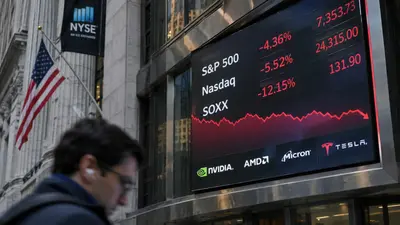
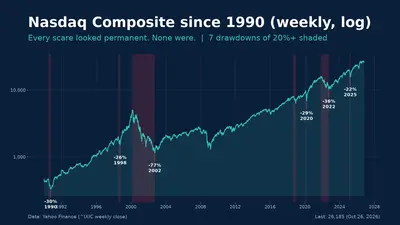
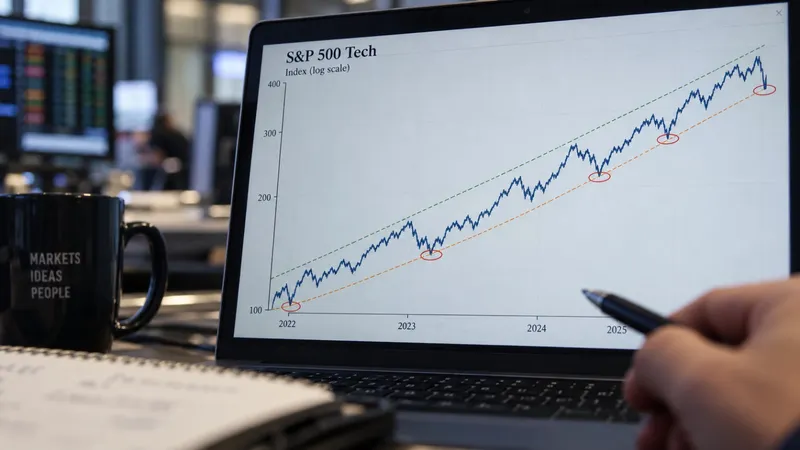
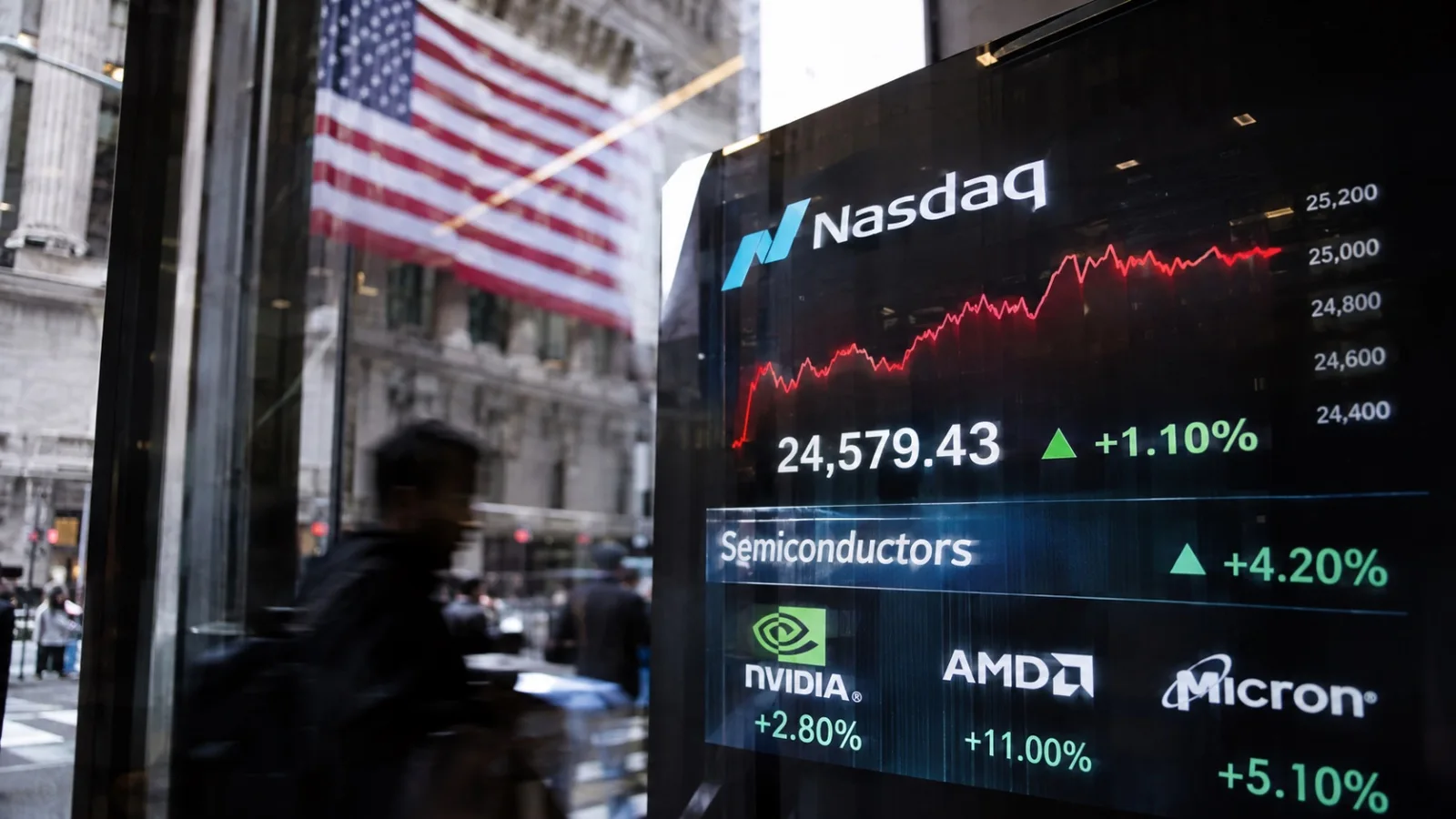
On Nov. 6, the S&P 500 rose 0.32% to 7,376.86. The Nasdaq gained 1.1% to 24,579.43. The Dow fell 0.46%. For the full week, the S&P 500 lost 2.7% and the Nasdaq lost 3.4%.
- S&P 500, week: -2.7%
- Nasdaq, week: -3.4%
- Semiconductors, Friday: +4.2%
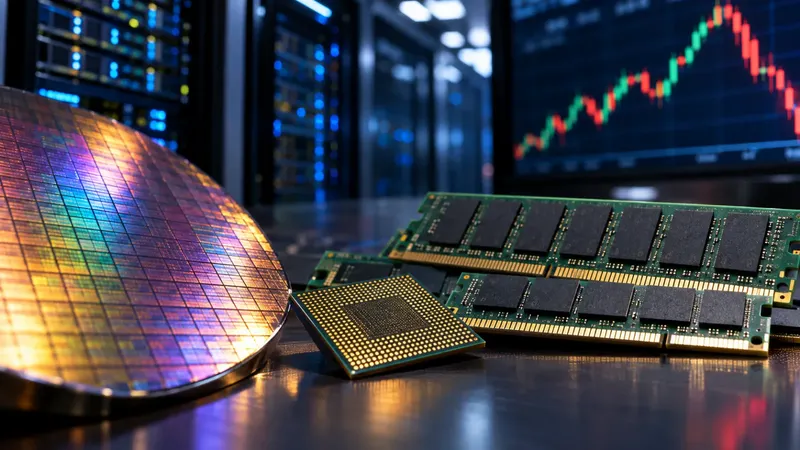
Among chip stocks, AMD rose about 11%, Micron 5.1% and Nvidia 2.8%. But the Nasdaq, which was up about 2% at one point, gave back much of that gain late in the session.
That suggests investors buying the dip and investors selling into the bounce were active at the same time.
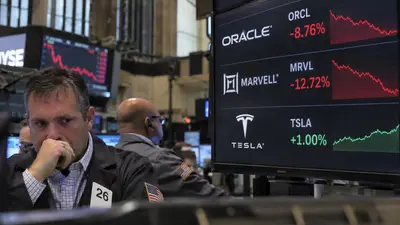
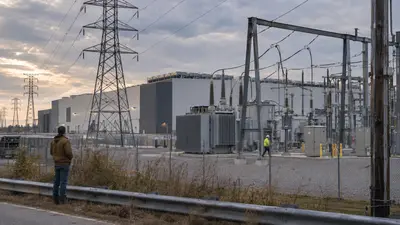
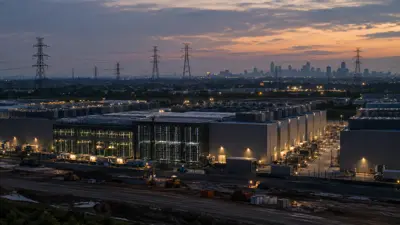
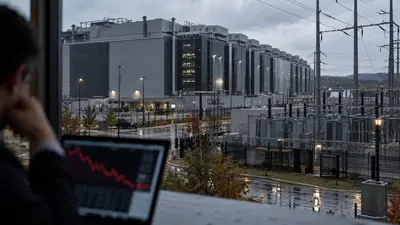
After the midterm elections, the possibility of tighter data center regulation has raised concern that AI facilities could be completed and switched on later than planned.
An election result does not mean data center construction stops. What the market fears is that the payback on an already large AI capex build could slip further out.
The deeper worry is less that AI demand disappears than that AI investment may take longer than expected to earn money.
First variable: CPI and rates
October US jobs data, released last Friday, came in stronger than expected. Nonfarm payrolls rose 165,000, well above the 65,000 forecast, and the unemployment rate fell to 4.1%.
As a result, the market-implied probability of a 25 basis point Fed rate hike in December rose to about 78%. That is a market-priced expectation, not a decision to hike.
That is why Tuesday's October CPI matters. September CPI rose 0.6% from the prior month, and core CPI rose 0.3%.
If inflation cools, rate pressure eases and growth stocks have room to rebound. If core inflation comes in above expectations, the odds of further Fed tightening and pressure on growth-stock multiples could rise together.
Rates reach the AI industry through two channels. For companies such as Nvidia and Tesla, where expectations of future earnings are heavily priced in, higher rates raise the discount applied to those earnings. For companies such as CoreWeave that rely on outside financing, higher rates mean higher actual interest costs.
So after the CPI release, the Nasdaq's first reaction is only part of the picture. The 2-year Treasury yield and the odds of a December hike also need watching.
Second variable: are AI companies recovering their investment?
This week's earnings show different stages of the AI investment cycle.
Customer contract, then power and facilities, then equipment installation and operation, then revenue recognition, then cash recovered after capex and interest. A growing backlog of contracts is not the same as generating cash.
- 01 Customer contracts
- 02 Power and facilities
- 03 Equipment and operation
- 04 Cash recovery
At CoreWeave and Nebius, the items to check are data center start-up schedules and the possibility of more borrowing or equity issuance. Applied Materials should show whether chip customers are actually spending on equipment. Cisco should show whether AI networking demand is turning into revenue.
Even when they benefit from the same AI growth, big tech companies that invest from their own cash flow face different risks than neoclouds that need outside funding.
If backlog grows while start-ups slip and financing costs swell, the economic value reaching shareholders could shrink even with a strong revenue outlook.
That is why a beat on revenue estimates alone is a poor way to judge this week's results.
Chips and Tesla: what to separate
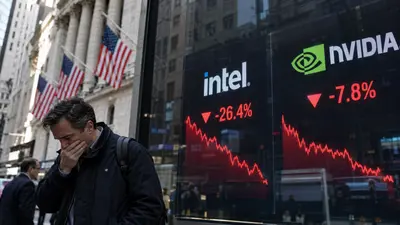
For Nvidia, the key indicator this week is less its own results than customer and supply-chain investment plans. The question is whether delayed data center start-ups at customers turn into postponed GPU orders.
Tesla carries heavy long-term expectations tied to autonomous driving, robotaxis and Optimus. With so much of its value in future cash flow, the effect of higher rates on its valuation is hard to ignore.
Still, higher rates do not by themselves mean the business is worth less. Whether its competitiveness and long-term cash generation have changed needs a separate judgment.
Power infrastructure also cannot be judged uniformly. Companies with facilities already running and companies with many new permits and construction projects still ahead are affected differently by regulatory change.
Key dates this week (Eastern time, approximate)
- Monday, Nov. 9, evening: Constellation Energy earnings. Profitability of power contracts and investment plans.
- Tuesday, Nov. 10, 8:30 a.m.: October CPI. Core inflation and the 2-year yield reaction.
- Tuesday, Nov. 10, evening: CoreWeave earnings call. Start-up schedules and financing.
- Wednesday, Nov. 11 to Thursday, Nov. 12: Nebius earnings. AI cloud expansion plans.
- Thursday, Nov. 12, evening: Applied Materials and Cisco earnings calls. Chip capex and networking revenue.
- Friday, Nov. 13, 8:30 a.m.: October PPI. Price pressure at the producer level.
- A one-day gain is not enough to confirm it. It would take stable yields, steady earnings outlooks and follow-through buying together.
- No. The impact depends on how reliant a company is on new projects, its customer mix, and the power and utilization it has already secured.
- No. A rate decline driven by cooling inflation and one driven by a worsening economy affect corporate earnings differently.
- No. You also need to check borrowing costs, capital spending and when cash is actually collected.
What to watch
Insight Times Editorial Desk