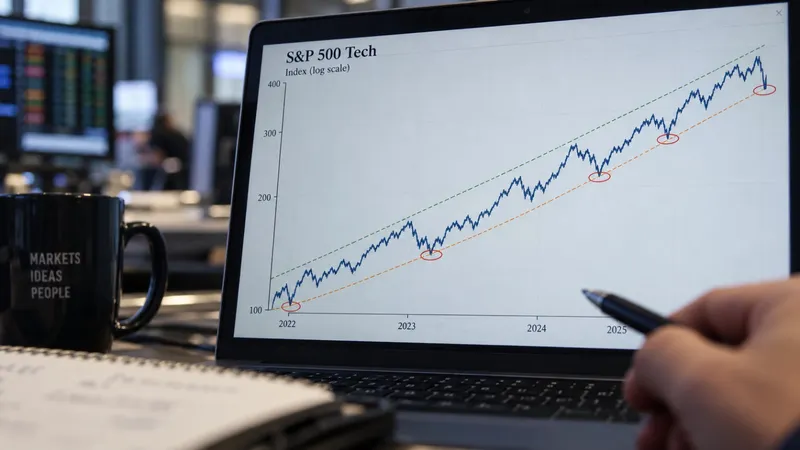
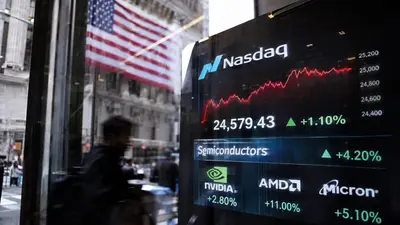
Nasdaq Falls 10%: Why Tom Lee Says to Buy the Dip, and How Far His Case Holds
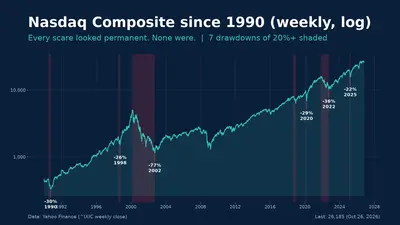
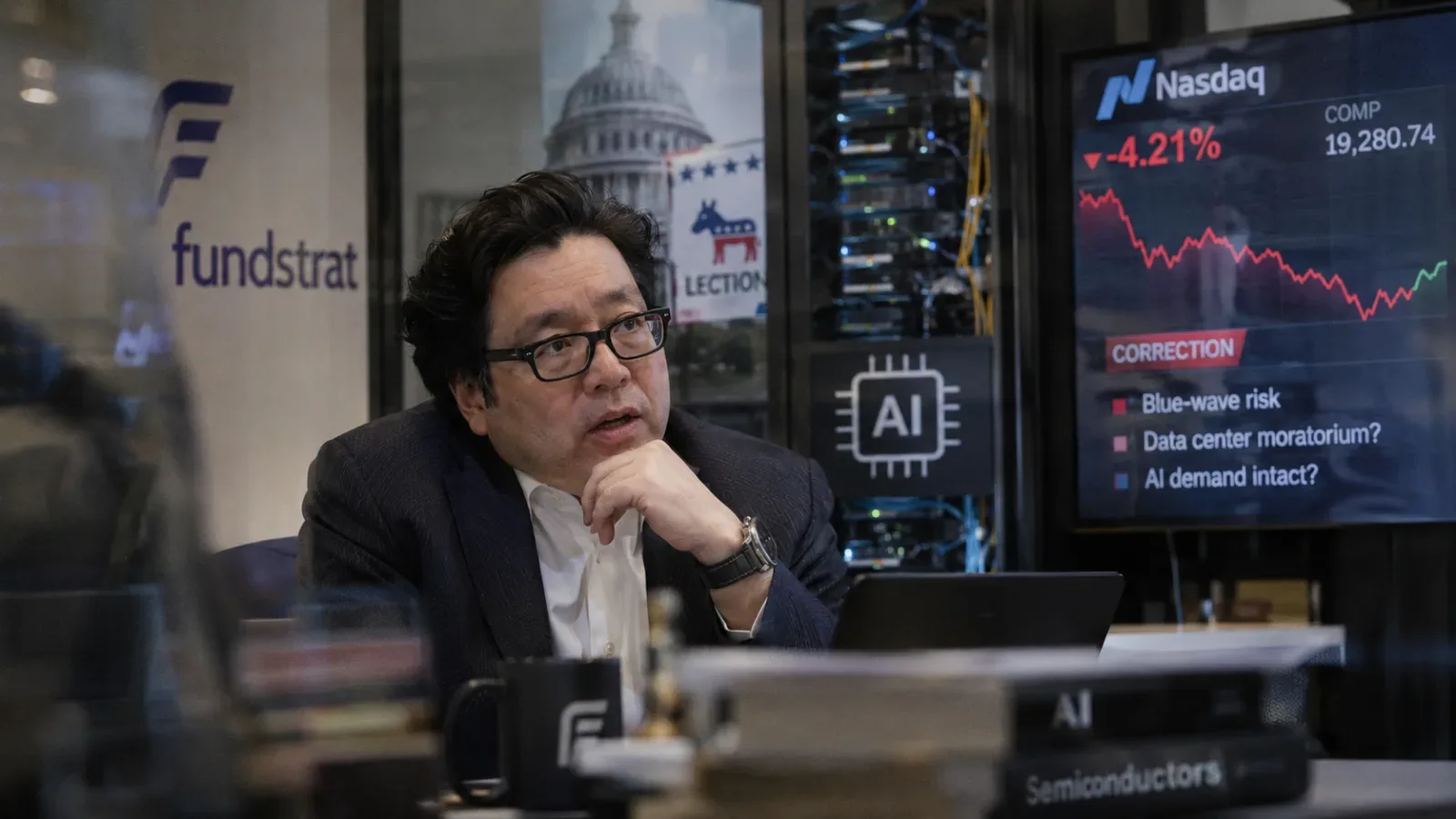
The Nasdaq is 10% off its high as investors fret over data-center construction. Fundstrat's Tom Lee urges them to separate AI demand from build speed. We test how far that argument goes.
The 20-second read
The 20-second brief
- The Nasdaq is in a 10% correction from its high. Tom Lee reads the selloff in AI-linked stocks as an overreaction driven by fear.
- The key distinction is between a collapse in AI demand and a slowdown in data-center construction. He calls the latter a "speed bump."
- Past sharp selloffs that bottomed quickly are worth noting. For investors who buy on a schedule, the task is to hold to a buying rule and watch whether demand holds, not to predict the bottom.
1. Stocks fell. Why call it an opportunity?
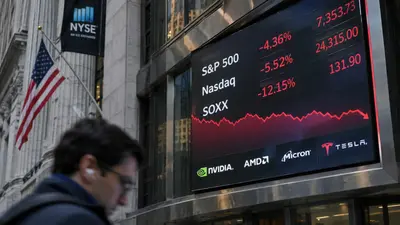
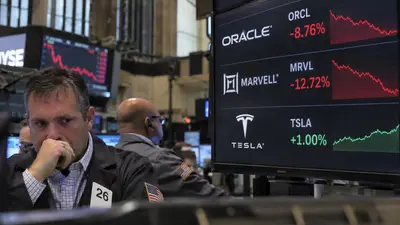
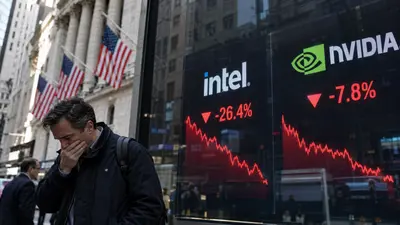
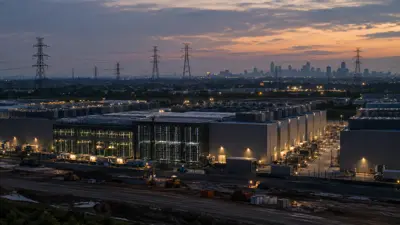
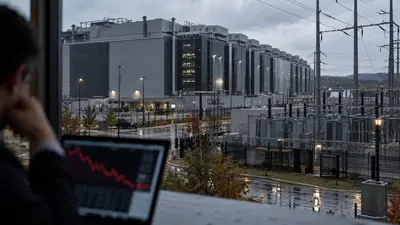
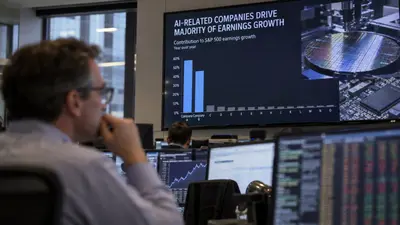
The Nasdaq has fallen 10% from its high and entered a correction. According to Fundstrat Direct on Sunday, Nov. 8, the index lost 3.4% over the week. What the market feared was that a Democratic sweep of the House and Senate, the so-called "blue tsunami," could put the brakes on AI data-center construction.
Tom Lee, head of research at Fundstrat, read it differently. He saw the selloff not as the end of AI growth but as a buying opportunity created by excess fear.
The core question is simple. Is building data centers more slowly the same as AI no longer being needed?
2. Lee separates demand from speed
Lee's answer is closer to no. Worries about a data-center moratorium concern when, and how fast, facilities can be built. They are not evidence that demand from companies and the economy for AI has vanished, he argues.
In his Macro Minute on Thursday, Nov. 5, he stressed that AI demand continues to be supported by advanced technology innovation and productivity gains. If the reasons companies adopt AI are intact, a brief slowdown in building capacity may not change the direction of long-term growth.
His phrase was "speed bump." A car that slows down still has a destination. How high the bump is, and whether there is a detour, are separate questions.
What investors need to sort out is whether the shock lowers the need for AI or delays the schedule for supplying it.
3. What do three past selloffs tell us?
Lee pointed to the DeepSeek shock in 2025, the "Liberation Day" tariff shock, and the "Situational Awareness" shock of June 2026. After violent selling like that, he said, the market found a bottom within days, and each turned out to be a buying opportunity.
The comparison is persuasive because it captures a tendency: when markets first meet an uncertain event, they try to price in the worst outcome all at once. In his Nov. 5 FlashInsights, he said this selloff, too, has "the smell of forced liquidation." The diagnosis is that fear and selling pressure may have spread faster than any real change in business.
But these cases are not a formula for the bottom date. The Fundstrat email gave no drawdown, recovery rate or comparison period for each event. So the three episodes show that rebounds can follow sharp drops. They are not a statistical guarantee that this one ends in a few days.
History says fear can be exaggerated. It does not fix the end point of this correction.
4. The strongest support for the bull case, and its weak link
What Lee trusts most is corporate adaptability. He noted that US companies have passed many tests: Covid, supply-chain disruption, the 2022 inflation and sharp rate hikes, tariffs, and this year's energy shock from the Iran war.
The hope is that companies can absorb this shock too, by reordering investment or adjusting how they respond. The logic is useful because it cuts the market's simple link between regulatory worry and an AI demand collapse.
The weak link is the length of the "speed adjustment." A brief construction delay differs from a prolonged constraint. If the scope and duration of an actual moratorium grow, the burden on suppliers could grow too. A claim that demand is strong cannot by itself show that every AI-related stock will recover at once.
Lee's optimism rests on two conditions: AI demand holds, and companies adapt to the constraints.
5. What should long-term, buy-on-a-schedule investors do?
Lee describes a crisis as having two faces, risk and opportunity. Investors tend to see only risk during a decline, he says, and discover the opportunity only after prices recover. So he reads this selloff as a buying opportunity more than the start of a large AI decline.
For long-term investors who buy at regular intervals, this need not mean putting in everything at once to catch the bottom. It is closer to not abandoning a set buying rule out of fear. Even when using a drop as an opportunity, leaving room between purchases and keeping some capital in reserve lets the plan continue if the correction runs longer than Lee expects.
Three questions to watch:
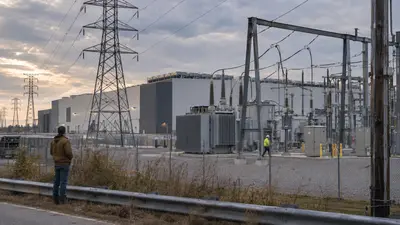
- Do concerns about data-center limits turn into actual construction delays?
- Do the demand drivers of AI innovation and productivity gains persist?
- Do companies adjust the pace and execution of investment in response to constraints?
Rather than whether prices rebound first, watch which of Lee's two variables, demand or speed, actually changes.
6. INSIGHT TIMES VIEW
The most useful question Lee raises is not "when does it bounce?" It is: is the market afraid of the future of AI itself, or of the schedule for reaching it?
Confuse the two, and it is easy to treat every AI stock as the same risk on the way down, then the same opportunity on the way up.
Take Lee's reading into account, but do not make the fast rebounds of past selloffs the premise of an investment plan. What matters more to a long-term investor is a buying rule that can survive a correction longer than expected. The point is not to ignore fear but to classify precisely what the fear is pointing at. Only then does the other face of a crisis, the opportunity, come into view.
FAQ
Has a data-center moratorium already been confirmed nationwide?
The email describes investor worry about regulation. It says nothing about a nationwide moratorium being confirmed.
Did Tom Lee say the market would definitely rebound within days?
He pointed to how quickly past selloffs found a bottom, but he did not give an exact bottom date for this correction.
If AI demand is strong, will chip stocks rise right away?
Lasting demand and the short-term direction of a stock price are different things. If supply schedules slip, the effect can differ from company to company.
- The market feared that data center construction could be put on hold.
- Concern about regulation after the so-called "blue tsunami," in which Democrats take control of both the House and Senate, is cited as the backdrop.
- According to Fundstrat Direct, the drop over one week was 3.4%.
- He believes this selloff came from excessive fear, not from a collapse in AI demand.
- His reading is that building data centers more slowly is not the same as AI becoming unnecessary.
- However, this is just one person's interpretation. He could be wrong.
- It refers to a temporary slowdown in the pace of data center construction.
- The analogy is that when a car slows down, the destination does not disappear, so the direction of AI growth may stay the same.
- However, if regulation drags on, that bump could get higher.
- Tom Lee explained that the bottom formed within a few days after the DeepSeek shock, the tariff shock, and the June 2026 shock.
- However, the size of the drop and the rate of recovery for each event are not given in his email.
- There is still no confirmation that the same will happen this time.
- It can be argued that sticking to a set buying rule matters more than trying to pick the bottom.
- Since the pullback could last longer than expected, another approach is to keep some capital in reserve.
- Investment decisions vary with each person's situation.
What to watch
Insight Times Editorial Desk