Nvidia's First Report Without Its CEO Meets a 5% Treasury Wall
Markets this week are likely to watch growth without a founder, and whether AI companies have the cash to withstand a 10-year yield above 5%.
The 20-second read
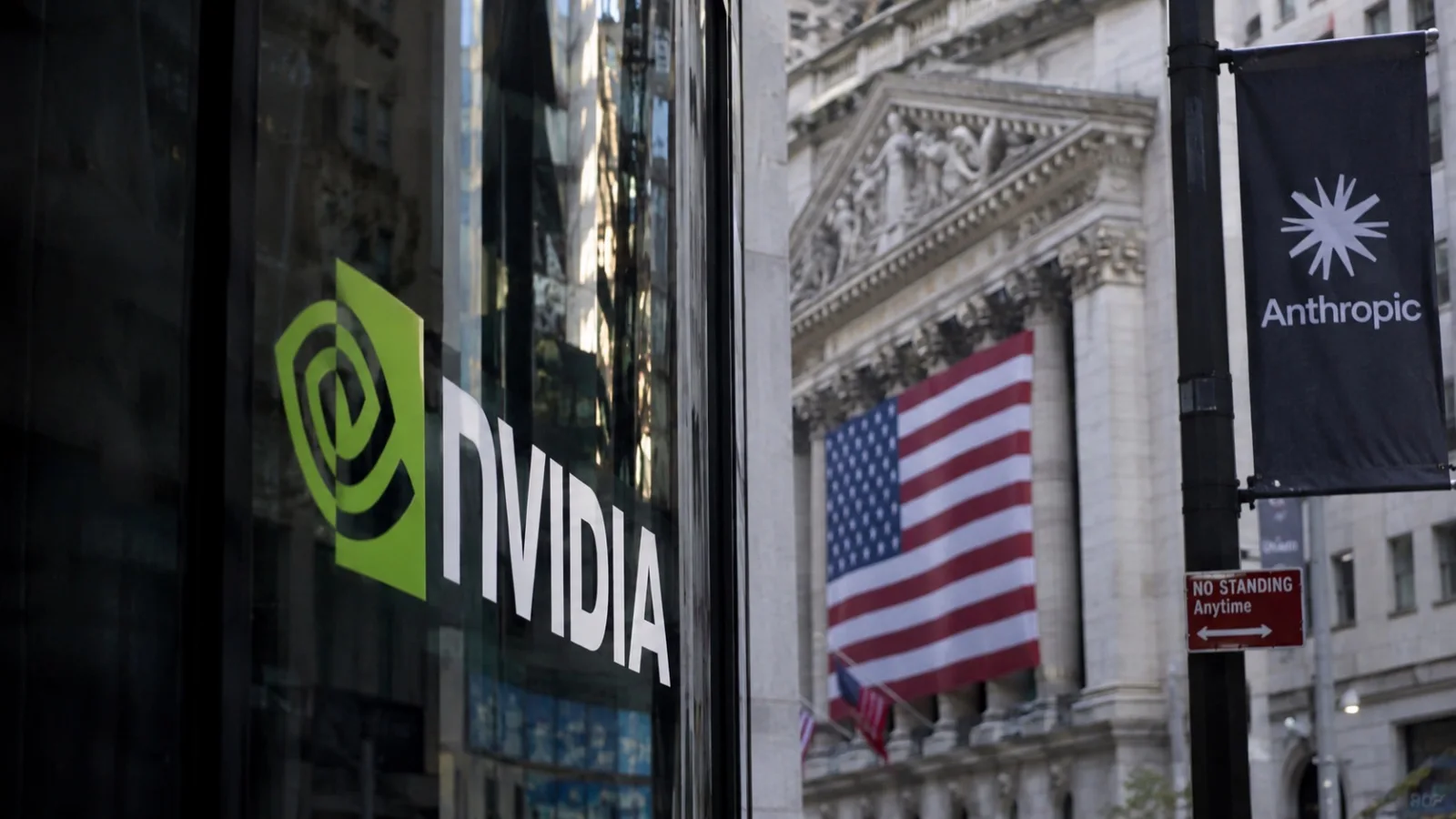
Nvidia formally announced Jensen Huang's resignation as CEO on Nov. 12. The board accepted the resignation on the 11th, and CFO Colette Kress is serving as interim CEO. For the first time in 33 years, the company is under new leadership after being run by its founder.
The market is likely to focus this week less on Nvidia's revenue than on growth without its founder, and on how well AI companies can fund themselves with yields above 5%.
1. Nvidia: what matters more than earnings is the post-Huang company
Nvidia reports on Nov. 17. Its guidance for fiscal 2027 third-quarter revenue is $108 billion, plus or minus 2%. Gross margin is guided at 74%, plus or minus 0.5 percentage point. Revenue in the prior quarter was $96.2 billion.
Strong numbers will not settle every question, though. Investors want to check three things:
- Whether orders from AI customers and the schedule for the next-generation Rubin products hold.
- Whether Nvidia can keep margins high despite rising memory and supply-chain costs.
- Whether the Kress team can carry on the technology roadmap and customer relationships without disruption.
Nvidia's CUDA software ecosystem and its product strength do not disappear with one CEO's departure. But the work Huang did, setting technical direction and managing relationships with major customers and policymakers, may be hard to replace in the short term.
2. A 5% 10-year yield: the gap between a good company and a good stock
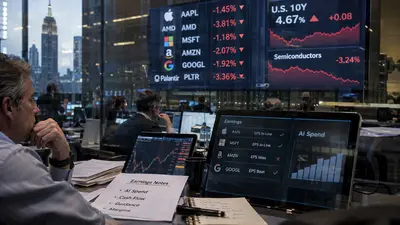
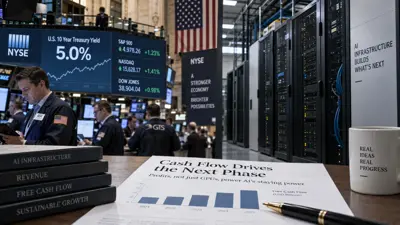
Last week the US 10-year yield rose about 29 basis points to 5.15%. October CPI rose 0.4% from the prior month, and core CPI rose 0.3%. With price pressure proving hard to shake, markets are pricing in the chance of another Fed rate hike.
That opens a gap between AI companies.
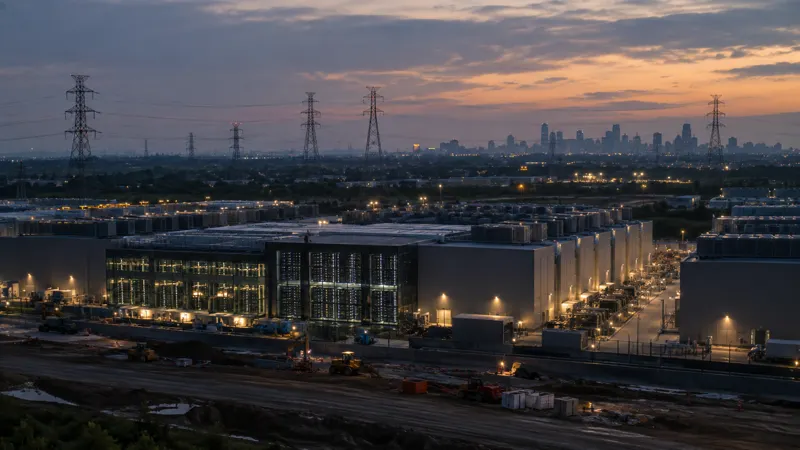
Cash-rich firms such as Microsoft, Alphabet and Meta can fund large AI investments from their own money. Companies that lean heavily on outside capital to build data centers face pressure on both financing costs and project returns when rates rise.
So AI revenue growth alone is no longer enough to go on. Whether that growth turns into operating cash flow, and whether a company still generates free cash flow after heavy capital spending, could drive valuations.
Tuesday's retail sales, Wednesday's FOMC minutes and the 20-year Treasury auction are clues to whether this rate burden will grow.
3. Anthropic's IPO rewrites the price tag on AI
Anthropic is pursuing a listing that would offer 825 million shares at $70 to $78 each. At the top of the range, the full offering is worth about $64.3 billion, and part of it is a sale of existing shareholders' shares. The ticker in the filing is ANT.
The offering size is not the key point. The question is how much of a premium the market will pay for the future earnings of an AI model developer.
If Nvidia tests the results of AI infrastructure suppliers, Anthropic tests the value of a company that sells AI services.
The final offer price and the post-listing trading price will be important gauges of investors' appetite for risk across the AI industry. Still, first-day swings are heavily shaped by supply and demand, so there is little reason to treat them as a final verdict on the long-term value of AI.
4. Tesla: the exchange ratio matters more than merger hopes
Tesla rose about 8.9% last week, from $358 to $390. Investor attention centered on merger talks with SpaceX rather than on electric vehicle sales.
Bloomberg reported that merger negotiations between the two companies are advancing and that an announcement could come as early as December. Elon Musk confirmed that an independent committee has been formed to review a merger, but final terms have not been set.
For investors, the announcement itself matters less than the exchange ratio, existing Tesla shareholders' ownership stake, governance and regulatory review.
Combining two companies does not automatically raise existing shareholders' economic returns. The business synergies from a merger have to be weighed together with the dilution shareholders would bear.
- It's possible, but not guaranteed. Even if Nvidia's revenue and guidance confirm demand for AI investment, interest rates and the earnings pressures on individual companies remain.
- High interest rates are generally a burden on growth stock valuations. However, companies with strong cash flow and high returns on investment may hold up relatively well.
- No. The first-day price is also affected by IPO allocation, the available float, and short-term buying demand. You need to look at revenue growth and profitability improvement after the listing as well.
- The key to this week is not guessing the date a rebound begins. It is to check whether AI companies can handle two conditions at once: high growth expectations and a high cost of capital.
What to watch
Insight Times Editorial Desk