OpenAI Keeps Building Data Centers, but the Cost Rules Are Changing
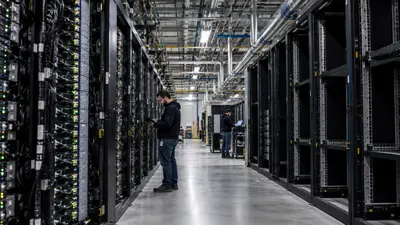
Enterprise business doubled in a quarter, OpenAI's CFO says. But without funding and power, a data center does not run.
The 20-second read
Demand is strong. Capacity to invest is a separate question
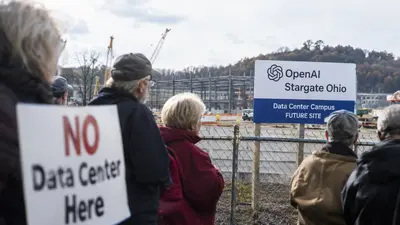
OpenAI Chief Financial Officer Sarah Friar said on CNBC on Nov. 6 that the company will keep expanding even as opposition to data center construction has grown since the midterm elections. She said the company's business grew 70% in the third quarter of 2026 from the prior quarter, and that its enterprise business doubled.
- +70%: quarter-over-quarter growth in total business in Q3 (CFO's remarks)
- About 2x: quarter-over-quarter size of the enterprise business in Q3 (CFO's remarks)
Friar also said consumers and enterprises each make up 50% of the business. That signals enterprise customers have become more important. But the interview does not establish the exact range of revenue, the cost structure, or audited profit and cash flow. Friar said the company does not disclose its margins.
She also described a new funding round as under way. That does not mean the money has been raised. Customer demand, actual earnings and capital raising are linked, but they are separate steps.
Building a data center now means pricing in community costs
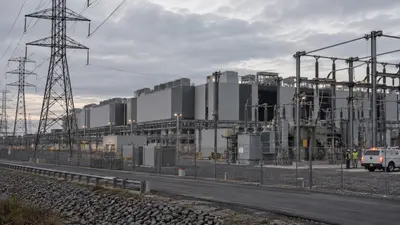
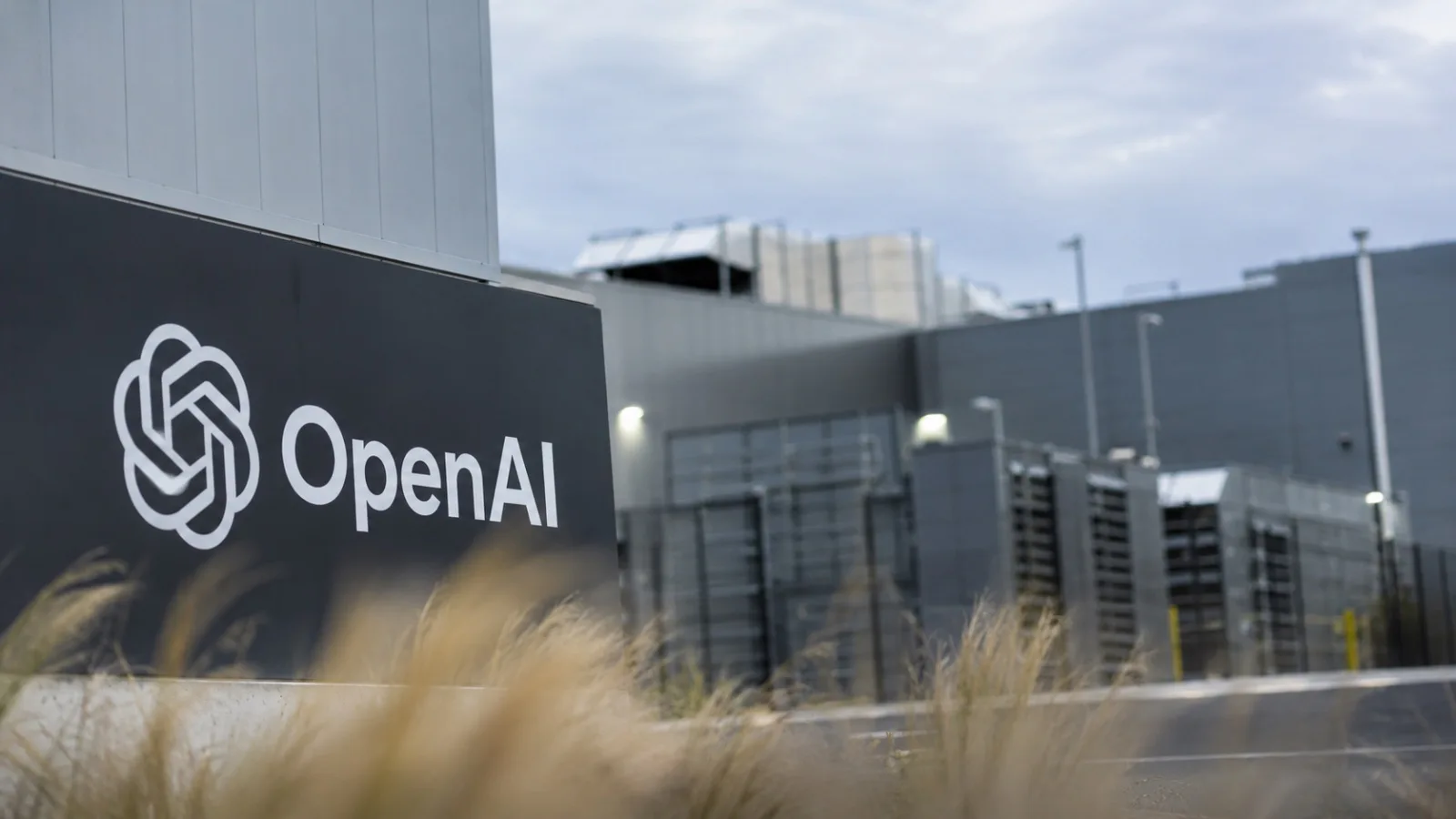
On Nov. 5, a day earlier, OpenAI said it will put a community agreement in place for each compute campus it owns and operates in the future. Under the plan, the company pays in full for the power it uses and the infrastructure needed to supply it. It also provides financial guarantees before major spending, so other power customers are not harmed if a project is delayed, scaled back or canceled.
OpenAI also said it will disclose water and power use, construction plans and independent noise studies. Nondisclosure agreements with public officials will be narrowed to limited grounds such as security and trade secrets. The pledge cannot be applied in the same way to every externally leased data center OpenAI uses. A voluntary principle also does not become a legally enforceable obligation everywhere.
Three steps to check in AI infrastructure investment
Customer demand rises → Funding and power secured → Approval, construction and actual operation
Even if the first step is strong, a block at the second or third can delay chip orders and revenue.
The change reads as pushing developers to take on more of the cost and risk of generation, transmission and local compensation. It could reduce resident opposition, but it may raise the upfront funding burden early in development.
Good for Nvidia, a burden for utilities?
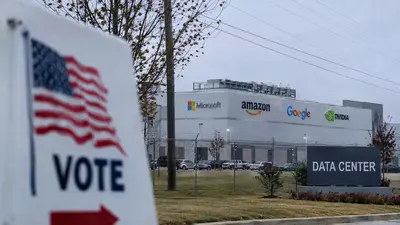
For Nvidia and the chip supply chain, OpenAI's commitment to keep investing supports demand expectations. It is not yet a confirmed GPU order or delivered revenue. The real benefit depends on financing, customer contracts and when facilities come online.
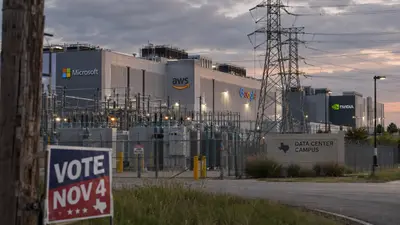
For cloud providers and data center developers, the ability to resolve power connections and permits may become more valuable. But higher per-project guarantees and infrastructure costs put pressure on returns. Utilities could lower the risk of passing costs to existing customers if large customers pay for added facilities. Contract terms, and whether money can be recovered if a project is canceled, still need checking.
Four things to watch
- Whether funding closes, and on what terms. The amount matters, but so do valuation, seniority and debt burden.
- Revenue conversion and margins in enterprise. The question is whether growth claims turn into real profit and operating cash flow.
- Power and timelines. Check whether power supply contracts, grid connections and local permits match planned schedules.
- How community agreements enter contracts. The size of financial guarantees and the scope of infrastructure costs borne in actual project contracts are the key.
- Fryer's remarks about enterprise growth are confirmed. But detailed metric definitions and audited financial statements have not been released, so it is hard to say this equals enterprise revenue under any specific accounting standard.
- It can ease concerns that electricity costs will be passed on to residents. But opposition over water use, noise, land use and transmission grid construction remains, as do permitting variables.
- No. The announcement is a signal of intent to invest. Changing earnings forecasts would require further confirmation of actual orders, delivery schedules and customers' ability to pay.
- Even if enterprise AI usage grows, the payback timeline gets pushed back if price competition lowers margins, or if financing costs and power connection delays grow.
What to watch
Insight Times Editorial Desk