The Real Signal in Optimus Gen 3 Isn't the 5,000 Units
Tesla is building a data fleet before it sells a robot. The point of ramping Gen 3 production is not near-term revenue, it is the behavioral data and reinforcement-learning loop that thousands of working robots can generate.
Why a 5,000-unit order matters
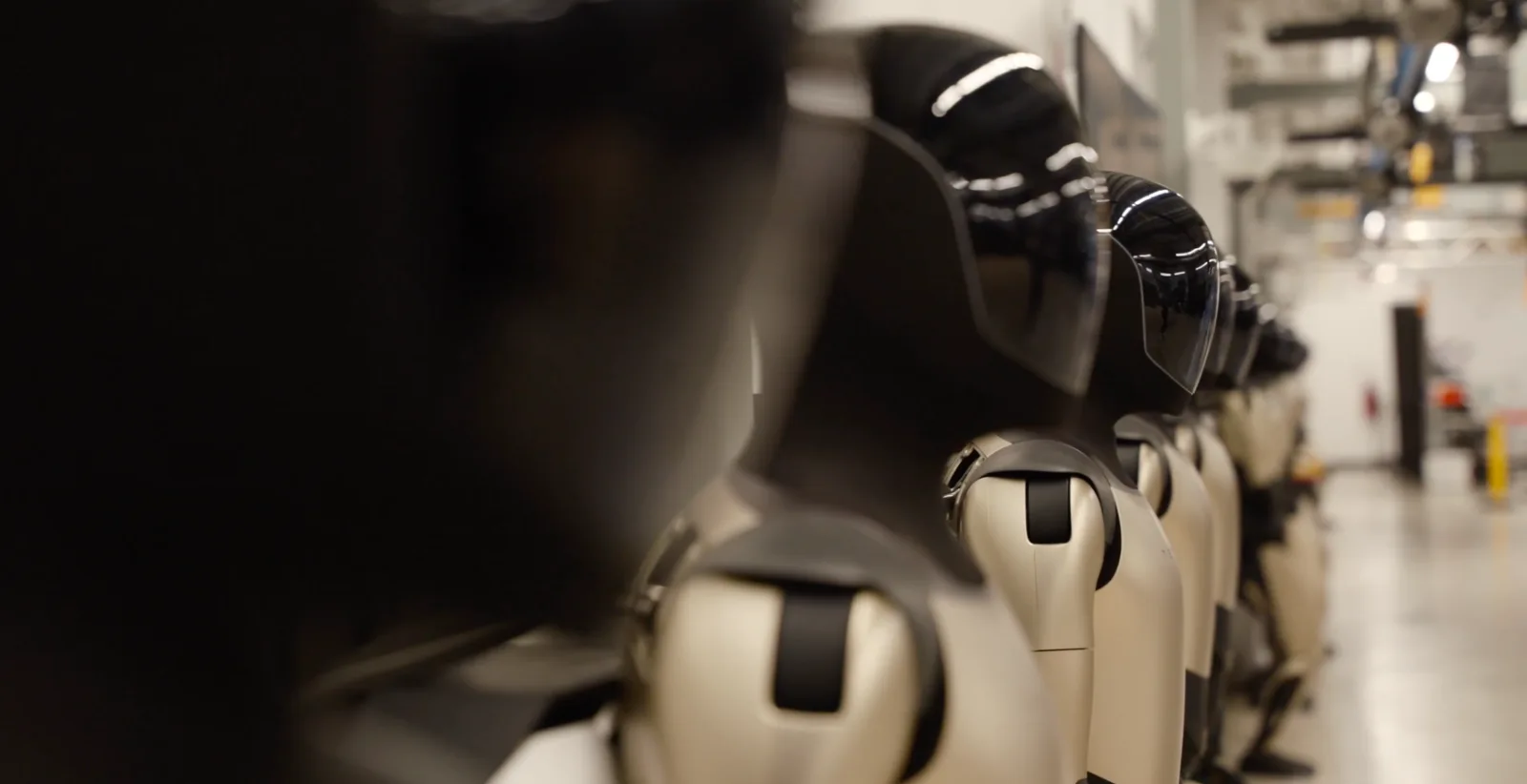
A September 7 report from China's Ijiwei outlet said Tesla placed parts orders for roughly 5,000 Optimus units with key suppliers. If accurate, that marks a jump from pilot-scale sourcing in the hundreds to batch-scale sourcing in the thousands. That is a meaningful production signal on its own.
But it needs a caveat. A parts order for 5,000 units does not mean 5,000 finished robots or 5,000 customer deliveries. Tesla has not confirmed the figure officially. A separate number that circulated in English-language coverage, "15,000 units in 2026," looks like a blend of different supply-chain targets rather than a single confirmed plan. The most conservative fact available right now is that a supply-chain signal points to parts orders in the thousands.
5,000 units does not equal 5,000 units sold
For investors, the distinction matters: parts orders, finished-unit production, in-house deployment, and outside customer deliveries are four different stages. Tesla has not yet broken Optimus numbers out by stage.
The factory is already moving to "the next thing after cars"
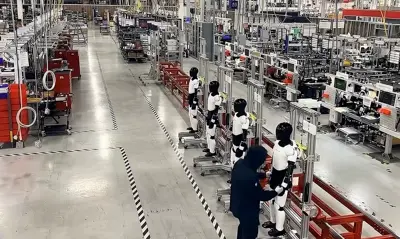
This supply-chain signal is not just a rumor because it lines up with what Tesla has said officially. In its 2025 annual filing, Tesla described Gen 3 as its first design built for mass production, and said it is targeting production starting before the end of 2026 with a long-term goal of 1 million units of annual capacity. Its first-quarter filing also said installation of the first Optimus production line was underway.
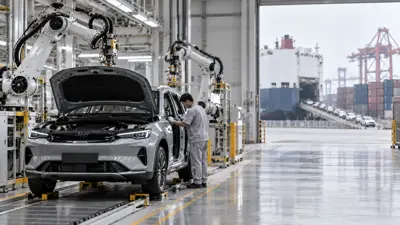
On the second-quarter earnings call, Elon Musk was more specific. Tesla is building the Optimus line in Fremont by replacing existing Model S and Model X production space, and he warned the initial ramp would be "flat, then steep." The reason was straightforward: cars can draw on an existing supply chain for tires, glass and mirrors, but Optimus needs most of its actuators, hands, sensors and specialized parts built from scratch.
That makes the current production ramp less a matter of copying a finished product and more a case of learning the product and the manufacturing process at the same time. It resembles Tesla's Model 3 "production hell," but the degree of difficulty could be higher.
What Tesla actually wants is data, not robots
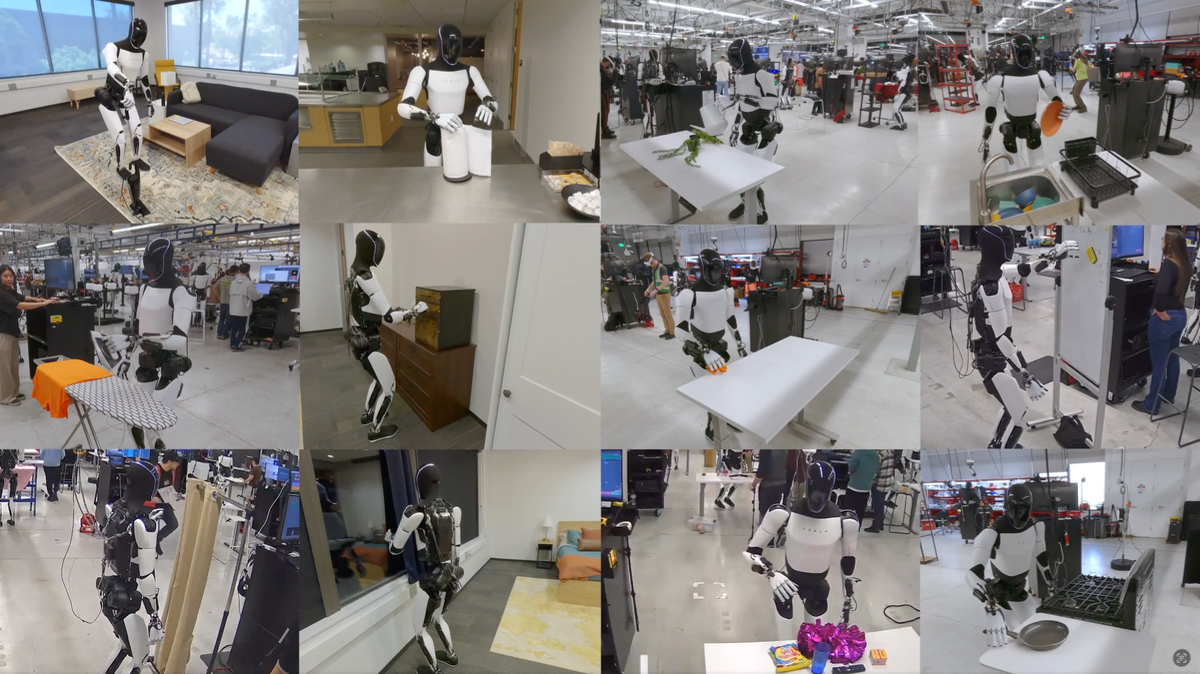
The most interesting part of the Optimus investment thesis is not the unit count itself. On the second-quarter call, Tesla's head of AI, Ashok Elluswamy, said the humanoid form factor in Gen 3 exists specifically to let the robot learn directly from human work. Beyond factory workers' motions, high-quality demonstrations from a dedicated data-collection team, and human-behavior data already on the internet, he pointed to a second learning flywheel: "Optimus Academy," where a large fleet of robots repeats tasks directly.
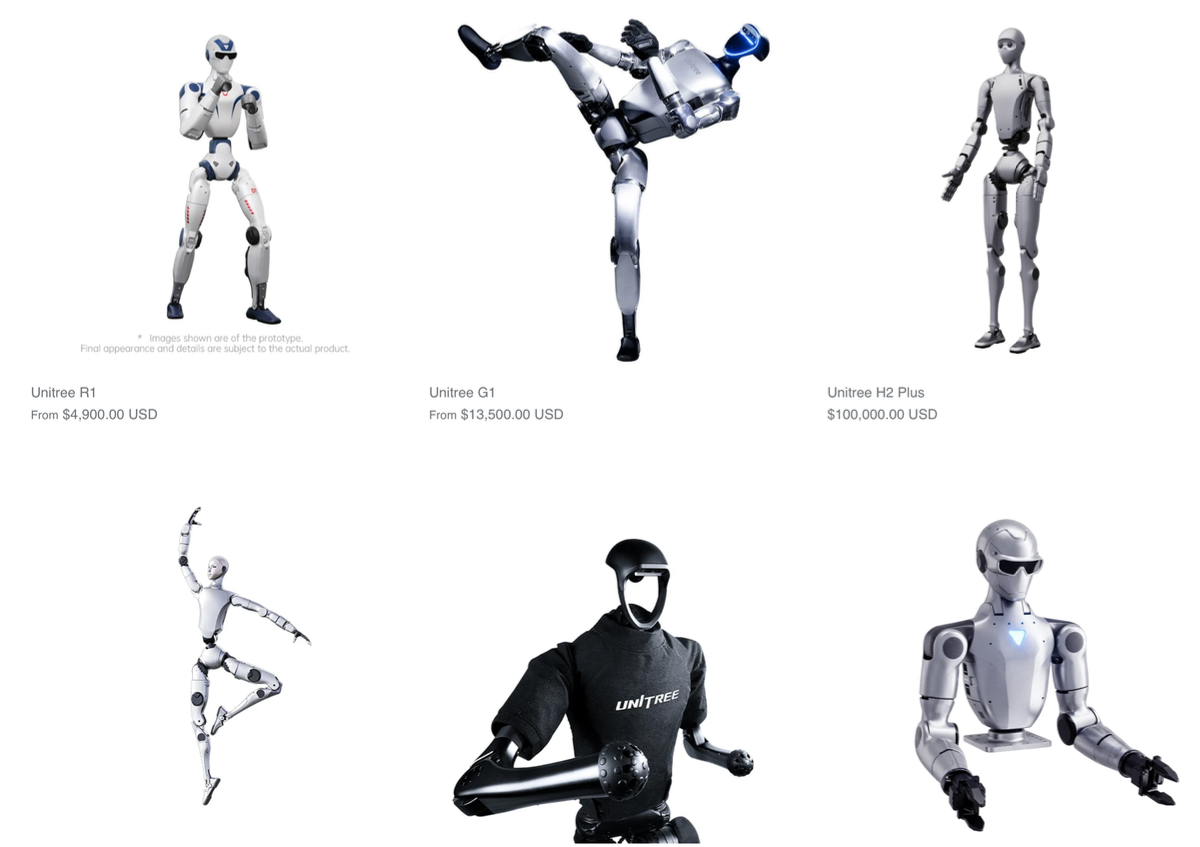
The Optimus data flywheel
- Humans perform the task — behavioral data captured from factory workers and a dedicated demonstration team
- Imitation learning — an early policy learns to predict motion from camera input
- Robots repeat the task — successes and failures accumulate on real hardware at Optimus Academy
- The whole fleet improves — reinforcement learning and retraining redeploy an updated policy across the fleet
In a separate interview, Musk acknowledged Tesla cannot immediately get the millions of data-collecting vehicles it has for cars. Instead, he described a plan to put roughly 10,000 Optimus units, rising to 20,000-30,000, into repeated real-world training, combined with millions of simulated robots to close the "sim to real" gap.
That structure is effectively Tesla's core bet: the idea is not that the hardware is finished so Tesla is building a lot of it, it is that building a lot of it is how the intelligence gets finished. Which means the early economic value of Optimus is probably better measured by data output than by sales revenue.
Similar to FSD, but not the same
Tesla says it applies the same end-to-end, "pixels in, controls out" approach to Optimus that it uses for FSD. A neural network interprets what the camera sees, and the output is not steering wheel angle but the movement of fingers, arms and legs.
But a humanoid's action space is far larger than a car's. A car's key outputs are limited to steering, acceleration and braking. A robot has to handle grasping objects, modulating force, finger coordination, balance, locomotion and interacting with people, all at once. Roads are complex but reasonably standardized by rules; homes and factories present an effectively unlimited variety of tasks.
So the fact that the data flywheel worked for FSD is not grounds to assume Optimus will generalize at the same pace. That is the biggest technical risk right now.
"Five generations ahead of China's brains" is not an investment thesis
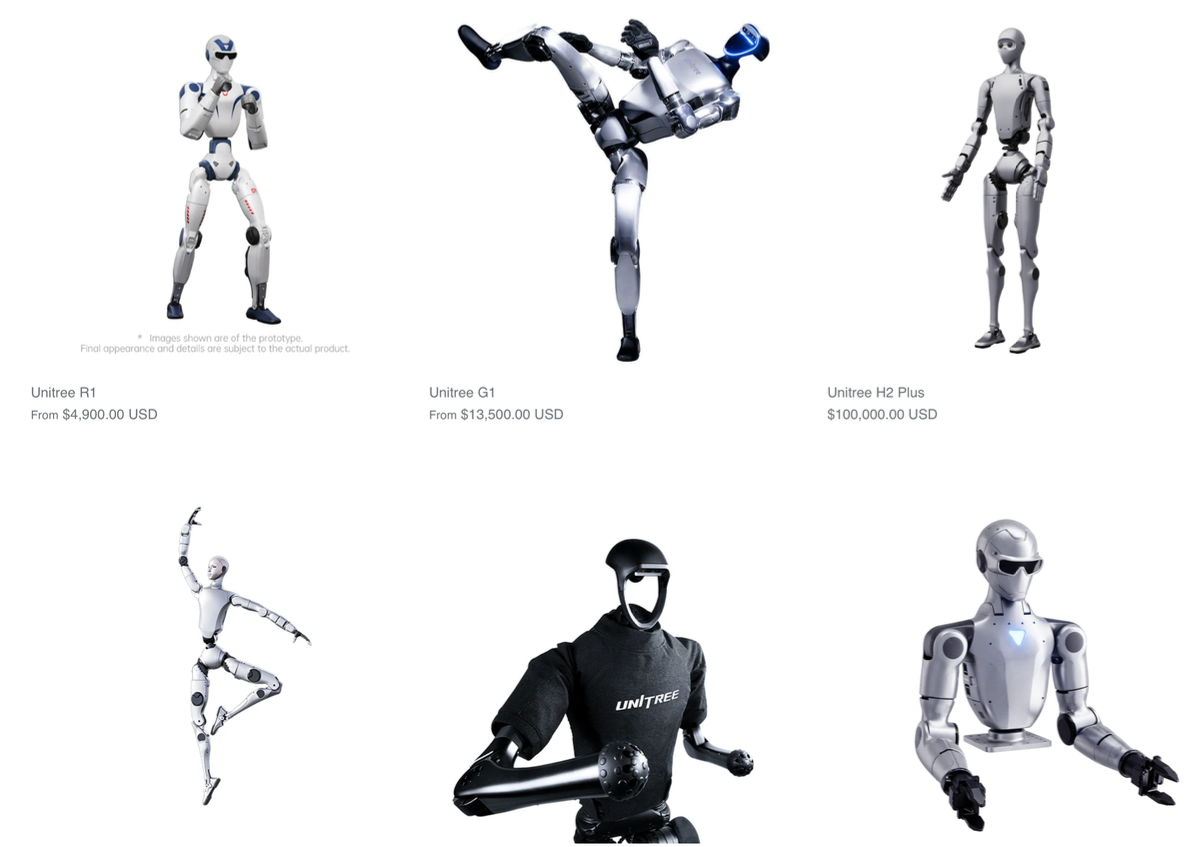
After watching a private Gen 3 demo, Jason Calacanis said Tesla's hardware looks about 1.5 generations ahead of Chinese humanoids and its AI "brain" about five generations ahead. That's an interesting data point, but it is not a public benchmark or an apples-to-apples comparison. In investment analysis, it should carry no more weight than an informed opinion.
What deserves more attention are on-the-ground metrics. Chinese humanoid makers are already scaling production into the thousands and expanding customer pilots, and competitors including Boston Dynamics are racing to accumulate real task data of their own. Even if Tesla leads on the "brain," falling behind on production yield, failure rates or cost per task could delay any commercial edge.
The four numbers investors should actually watch
| Metric | Why it matters | Bullish signal | Warning signal |
|---|---|---|---|
| Actual production and deployment count | Confirms whether supply orders convert into finished units | Thousands of actual deployed units disclosed per quarter | Only parts orders keep rising while finished-unit numbers stay undisclosed |
| Task autonomous-completion rate | Key to shifting from demos to genuine economic labor | Multi-step tasks completed without human intervention | Reliance on teleoperation or narrow, repetitive tasks |
| Uptime and mean time between failures | What matters is working for long stretches, not flashy motion | Rising uptime, falling maintenance time | Frequent downtime, durability problems in hands and actuators |
| Cost per unit | Tests whether the long-term $20,000-$30,000 target is realistic | Costs fall sharply as parts get in-housed and yields improve | High initial cost structure persists for a long time |
Insight Times Editorial Desk